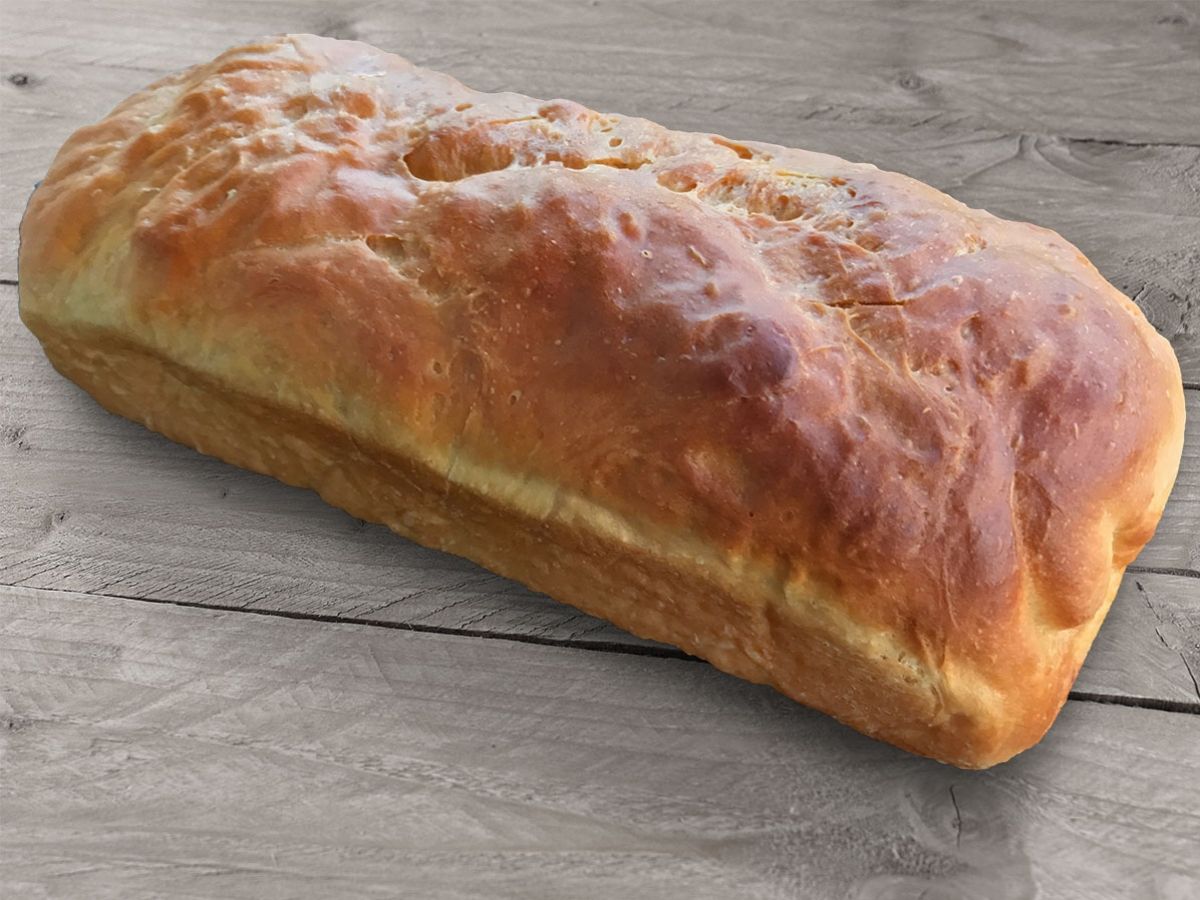

Ingredients for White Bread
- 2 dessert spoons (about 2 tsp each) dry yeast
- 2 dessert spoons (about 2 tsp each) granulated sugar
- 5 water glasses (about 200 ml / 3/4 cup + 1 tbsp each) flour
- 1 dessert spoon (about 2 tsp) salt
- 2.5 water glasses (about 200 ml / 3/4 cup + 1 tbsp each) warm water
- 1.5 tablespoons butter
- A little vegetable oil for the top
How to Make White Bread
Add half a water glass (about 200 ml / 3/4 cup + 1 tbsp) of warm water to a bowl, then add 2 dessert spoons of dry yeast and 2 dessert spoons of granulated sugar and let it sit for 5 minutes. Add 5 water glasses of flour, 1 dessert spoon of salt, and 2 water glasses of warm water, then knead. If the flour isn't enough, add more until the dough no longer sticks to your hands. Add 1.5 tablespoons of butter that has been sitting at room temperature and knead again. Transfer to a work surface, sprinkle with flour, and knead a little more.
Place the dough in a greased bowl, cover with plastic wrap, and let it rest for 1 hour. Remove the dough, sprinkle a little flour on the work surface, and divide it in two. Roll one portion into a log, shape it into a long rectangle, and fold the sides underneath. Place it in a rectangular baking pan greased with butter. Repeat with the remaining dough and place in another pan. Cover both with plastic wrap and let them rest for 1 hour.
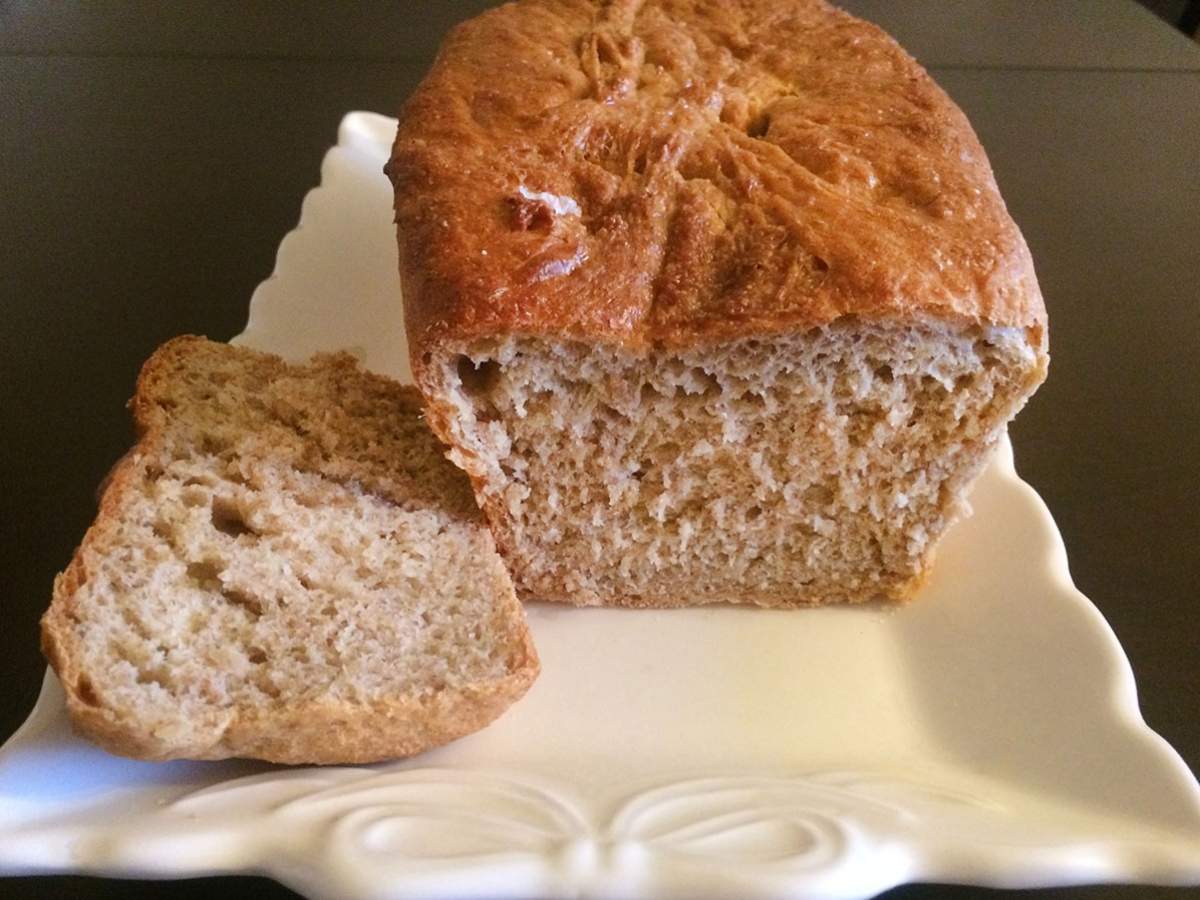
Bake in a preheated oven at 200°C (390°F) for 15 minutes, then reduce the temperature to 190°C (375°F) and bake for an additional 45 minutes. Once cooled slightly, remove from the pans and brush the tops with a little vegetable oil.
About This Recipe
Around 9000 BC, small red wheat known as wild wheat and einkorn began to be domesticated. This wheat was first cultivated in Jericho in the Jordan Valley and at Tell Aswad, just southeast of Damascus. This marked the birth of an agricultural economy. From that point on, wheat was domesticated within just a few generations. During the Neolithic period, foods such as chestnuts and acorns were ground and mixed with water, and the resulting dough was cooked on hot stones or in ashes.
Another known fact is that around 4000 BC, the Babylonians already knew how to bake bread in dedicated ovens. Archaeological research has also confirmed that milling and baking were practiced as far back as 4300 BC. Around 2600 BC, the ancient Egyptians discovered that adding yeast to a mixture of wheat flour and water produced softer, fluffier bread. Leavened bread became so valued among the nobility and the wealthy that in ancient Egypt it began to be used as currency.
The Greeks learned the art of baking from the Egyptians and the Jews. After sustaining themselves on "cooked wheat" for many years, the Romans learned how to make bread from the Greeks around 600 BC. It was at that time that the addition of beer yeast to traditional bread yeast was discovered to yield softer and more flavorful bread. Leavened bread spread from Egypt to Rome and then to Western Europe, eventually earning its place on tables around the world.
After our delicious Rye Bread and Bran Bread recipes, it's time for our White Bread recipe — welcome to the kitchen! Bon appétit in advance...