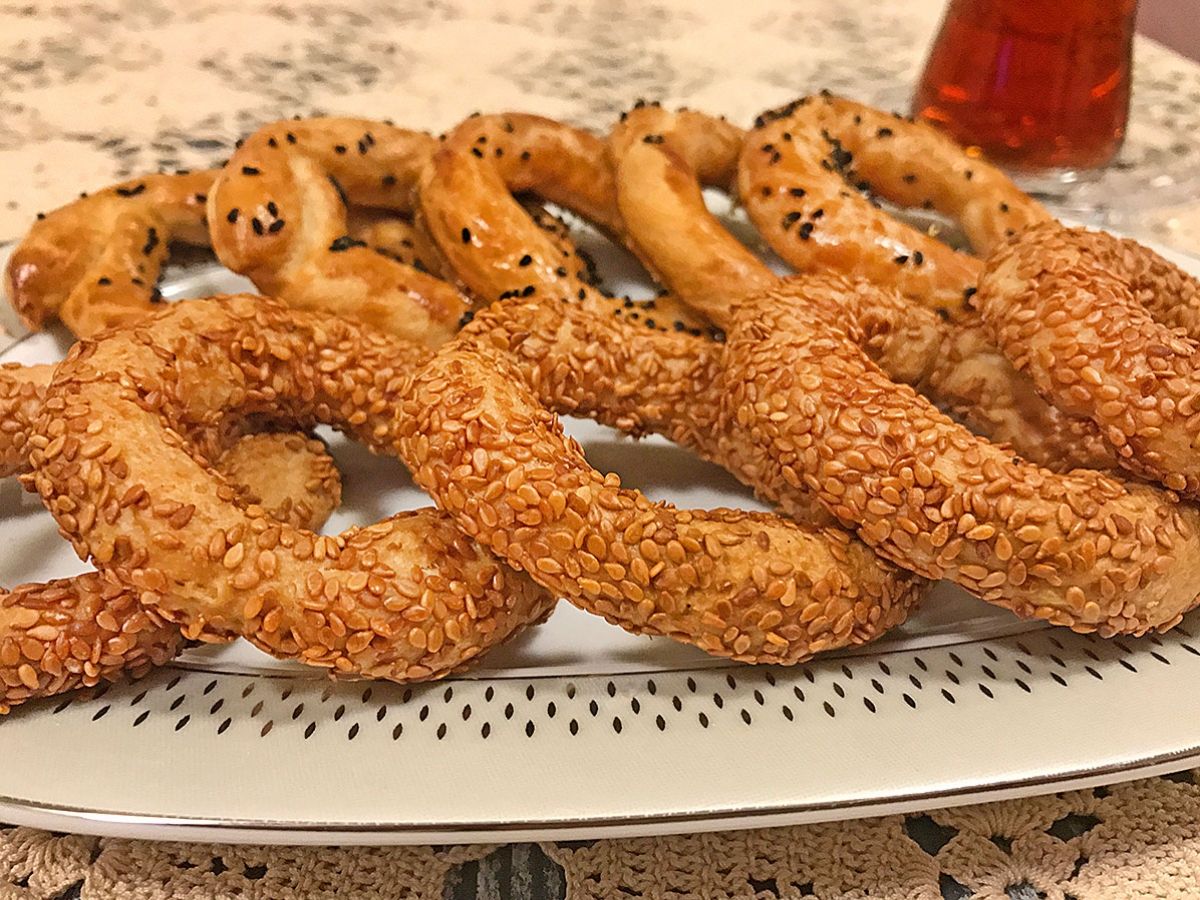

Ingredients for Kandil Simidi (Turkish Holy Night Ring Cookies)
- 150 g butter
- 1 tea glass (about 100 ml / 1/3 cup + 1 tbsp) vegetable oil
- 1/4 tea glass vinegar
- 2 egg yolks
- 1.5 teaspoons salt
- 1 packet baking powder
- 1 dessert spoon (about 2 tsp) mahlep (mahlab / cherry kernel spice)
- 1 teaspoon granulated sugar
- 2 egg whites
- Flour, as much as needed
- Nigella seeds
- Sesame seeds
How to Make Kandil Simidi (Turkish Holy Night Ring Cookies)
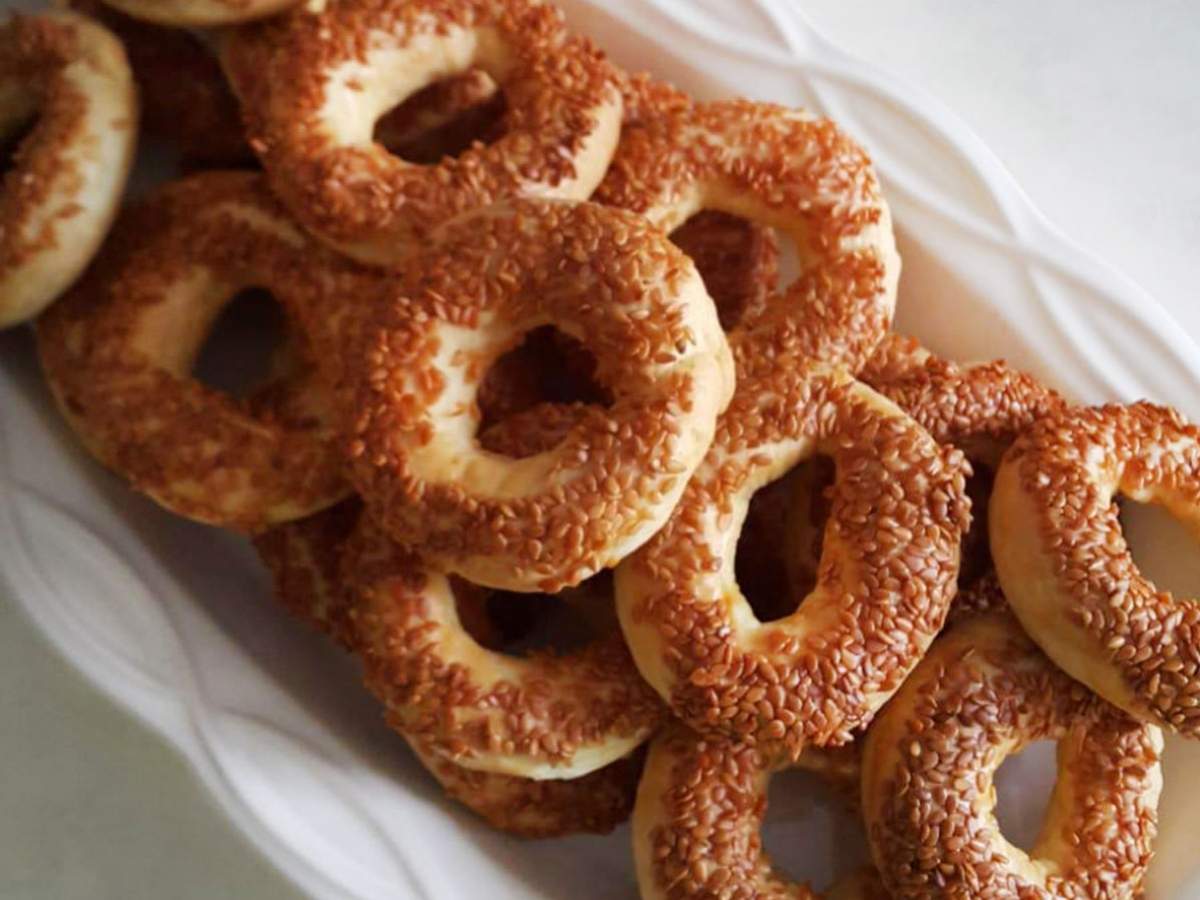
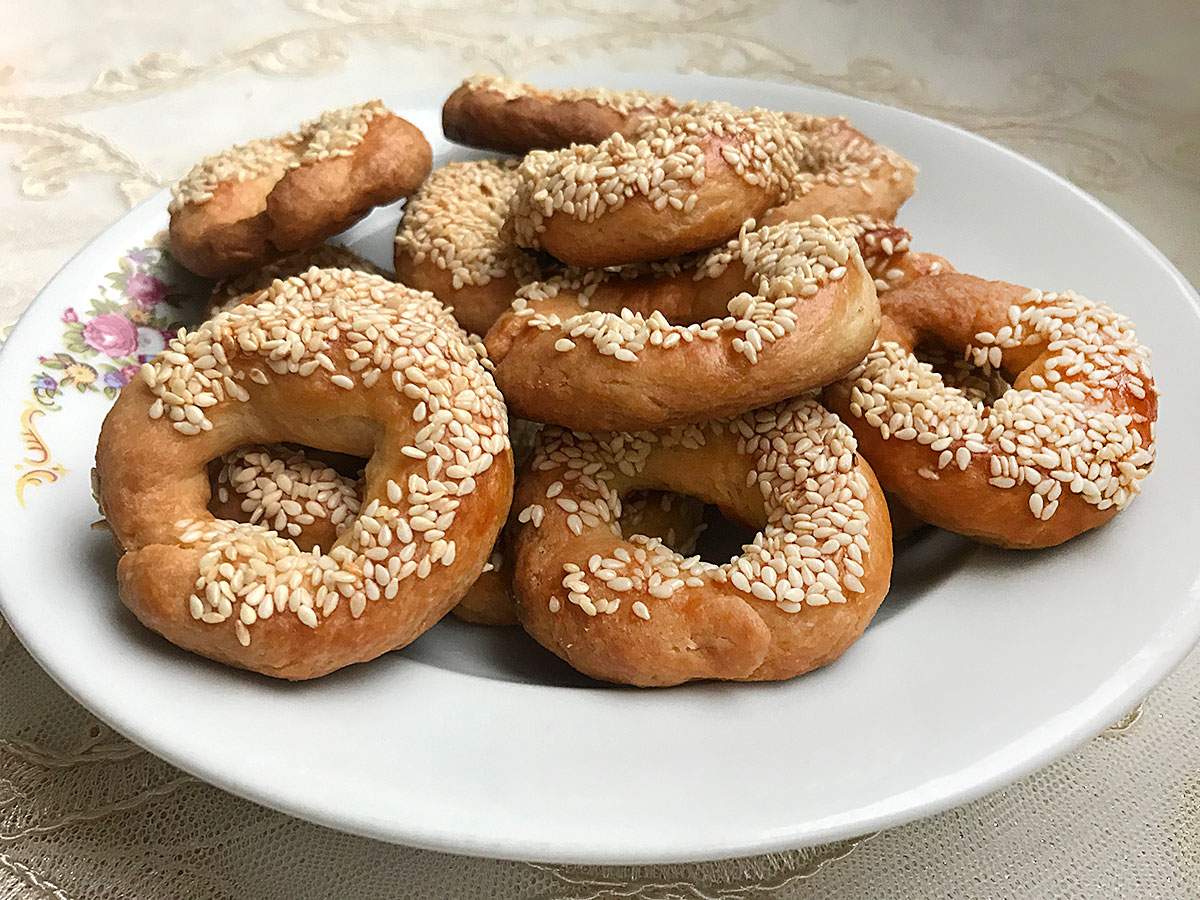
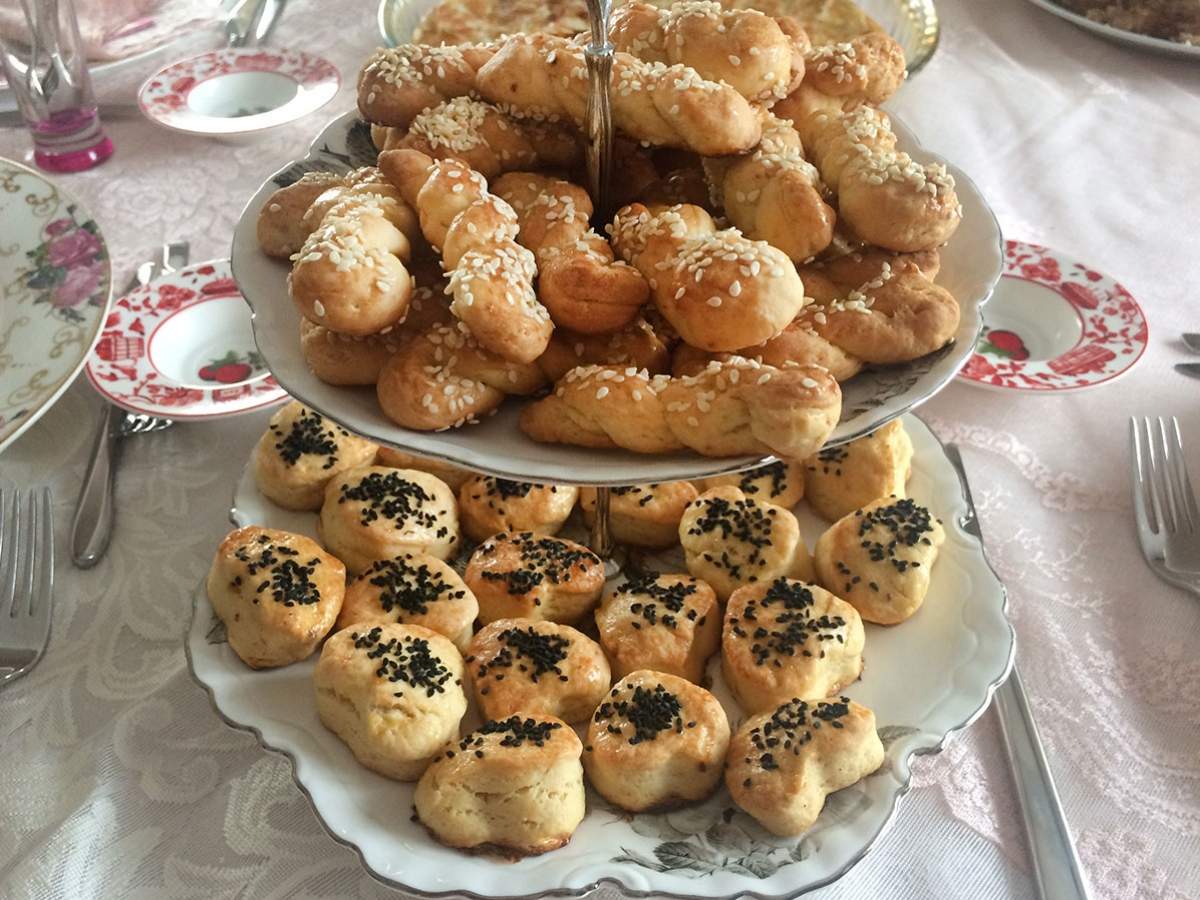
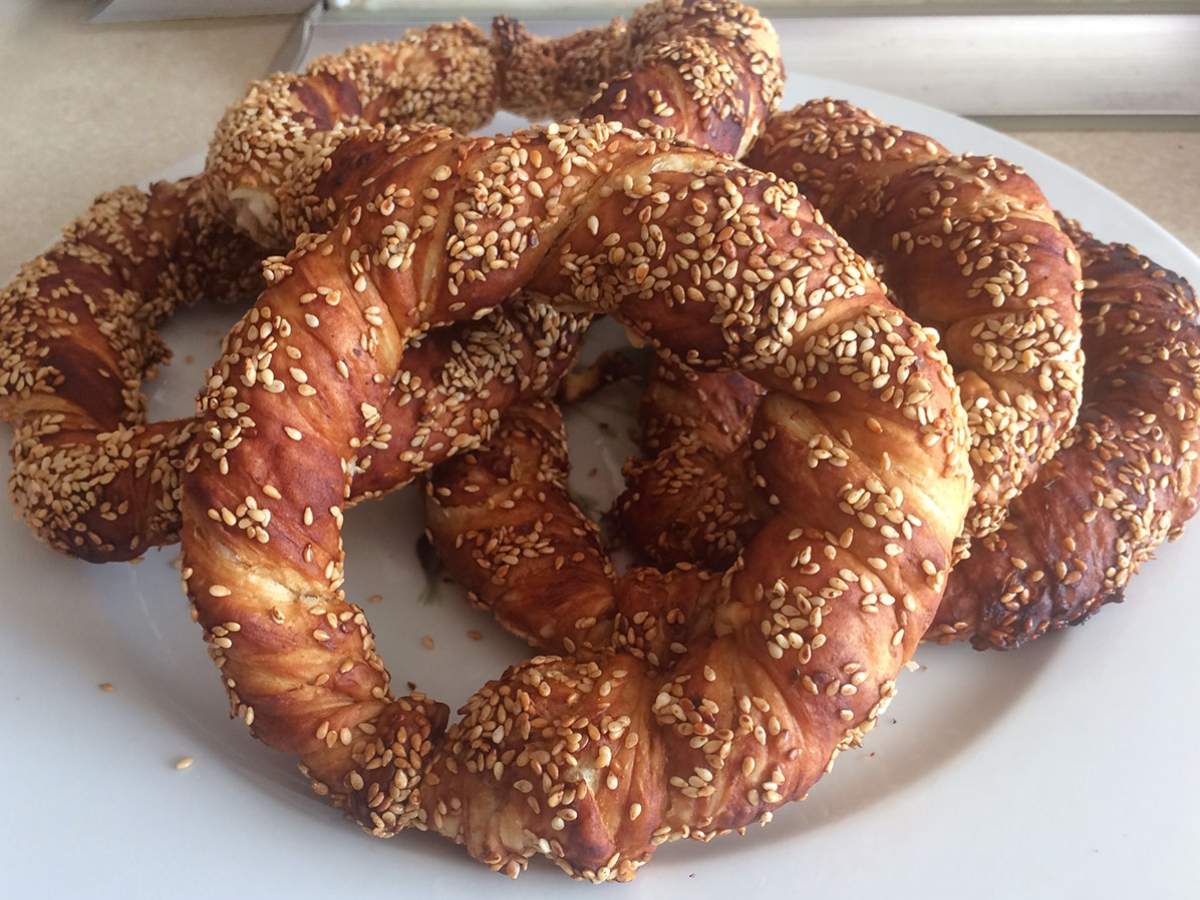
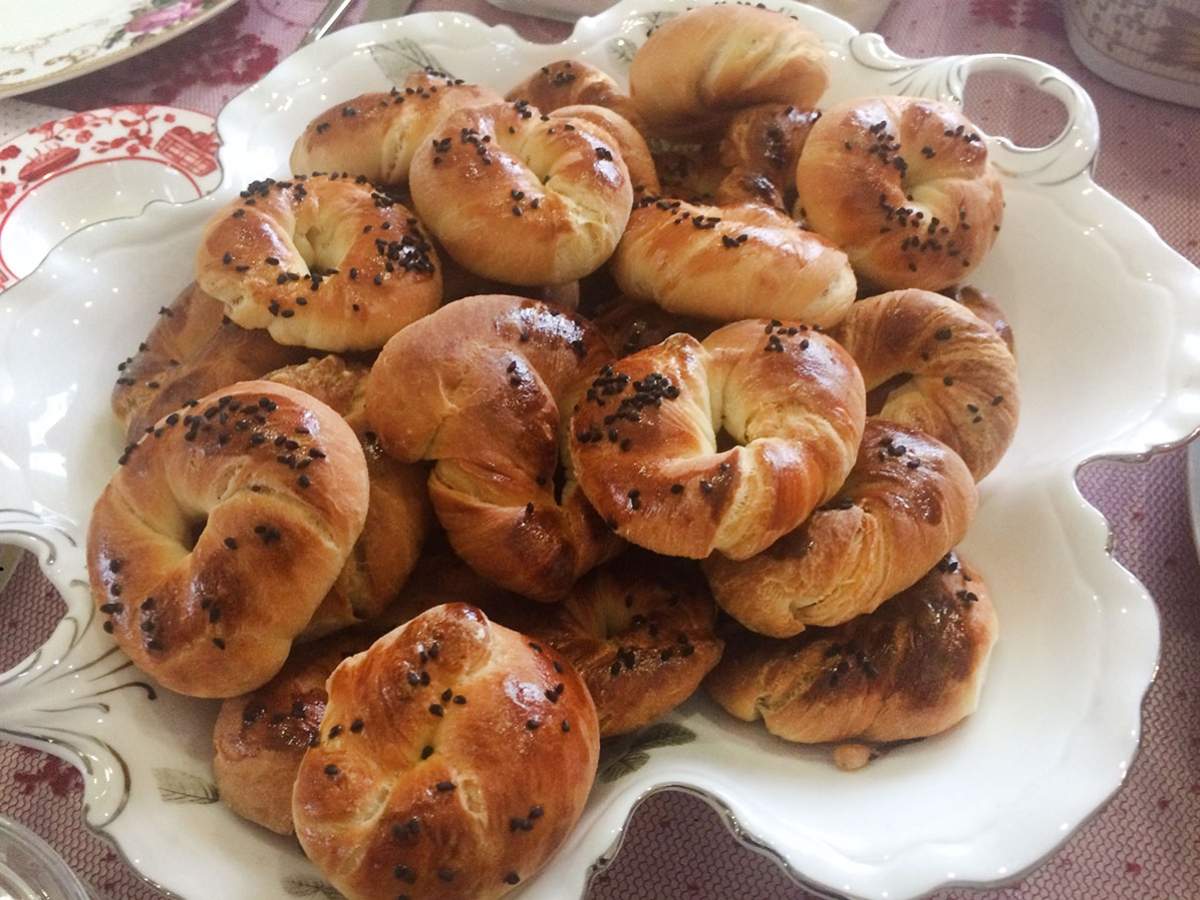
In a bowl, combine 150 g of butter, 1 tea glass (about 100 ml / 1/3 cup + 1 tbsp) of vegetable oil, 1/4 tea glass of vinegar, 2 egg yolks, 1.5 teaspoons of salt, 1 packet of baking powder, 1 dessert spoon of mahlep (mahlab), 1 teaspoon of granulated sugar, and knead in as much flour as needed. Shape the dough into small rings. Whisk 2 egg whites in a bowl. Place nigella seeds on one plate and sesame seeds on another. Dip half of the rings in the egg white, then press into the nigella seeds. Dip the other half in the egg white, then press into the sesame seeds. Arrange them on a baking tray lined with parchment paper. Bake in a preheated oven at 180°C (350°F) until golden brown. Enjoy!
About This Recipe
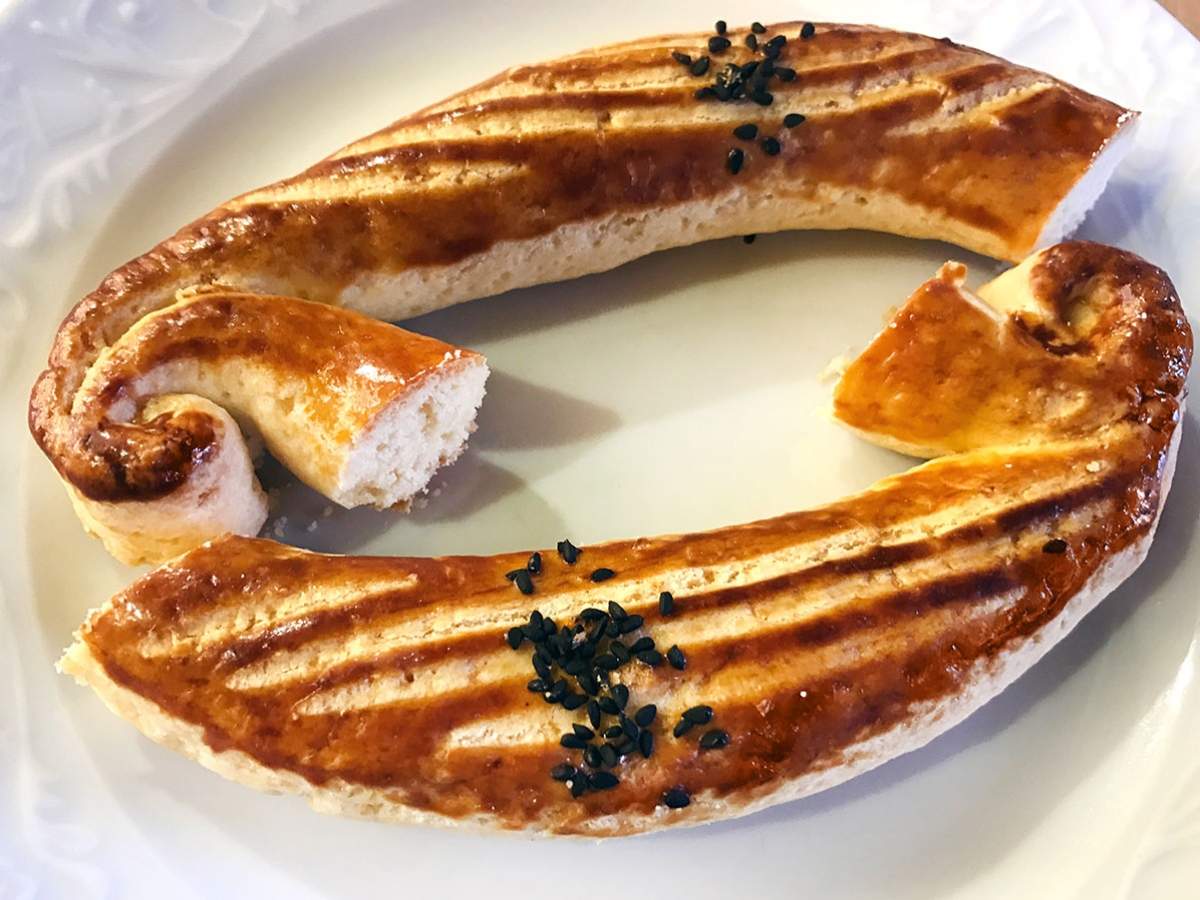
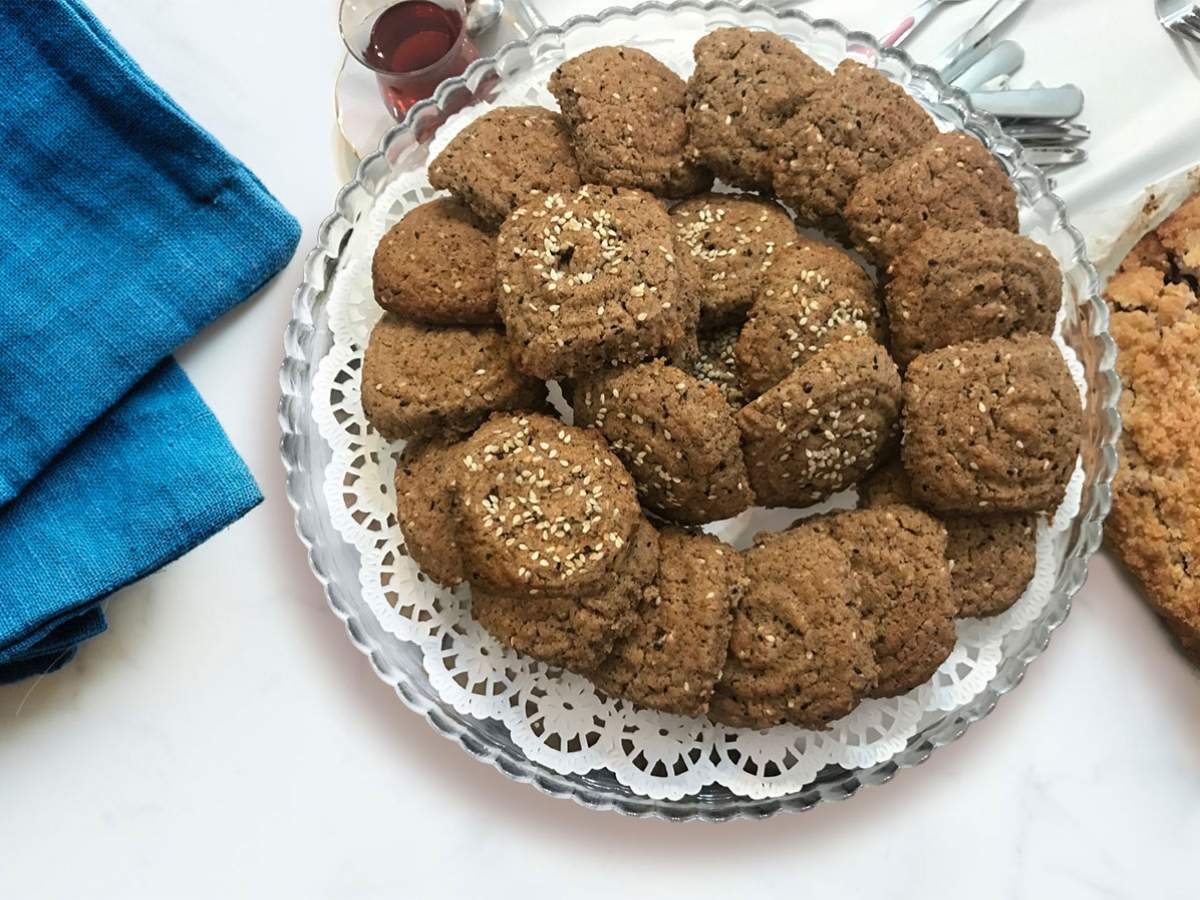
Both the Kandil tradition and the simit ring have been passed down to us from the Ottoman era. This special simit, made for holy Kandil nights, was developed with its own unique flavor and shape, inspired by the simit found in 14th-century Ottoman palace kitchens. Kandil Simidi is one of the beloved traditions we continue to keep alive today. Prepared differently in every city across our country, these ring cookies represent a shared cultural and communal bond that nourishes our sense of togetherness.
On the mornings of Kandil nights, grandmothers would bake these ring cookies by hand and offer them to grandchildren, family, and especially to neighbors — whether the aroma reached them or not. Although this deeply spiritual tradition is not as widely practiced today, the cookies are still purchased ready-made and brought as gifts when visiting homes or attending Kandil celebrations.
Are you ready to keep alive this delicious tradition that has reached us all the way from the Ottoman palace kitchens? Then here it is — our special Kandil Simidi recipe, prepared just for these blessed days. On this occasion, we wish you a blessed Kandil and hope you get to celebrate many more with your loved ones.