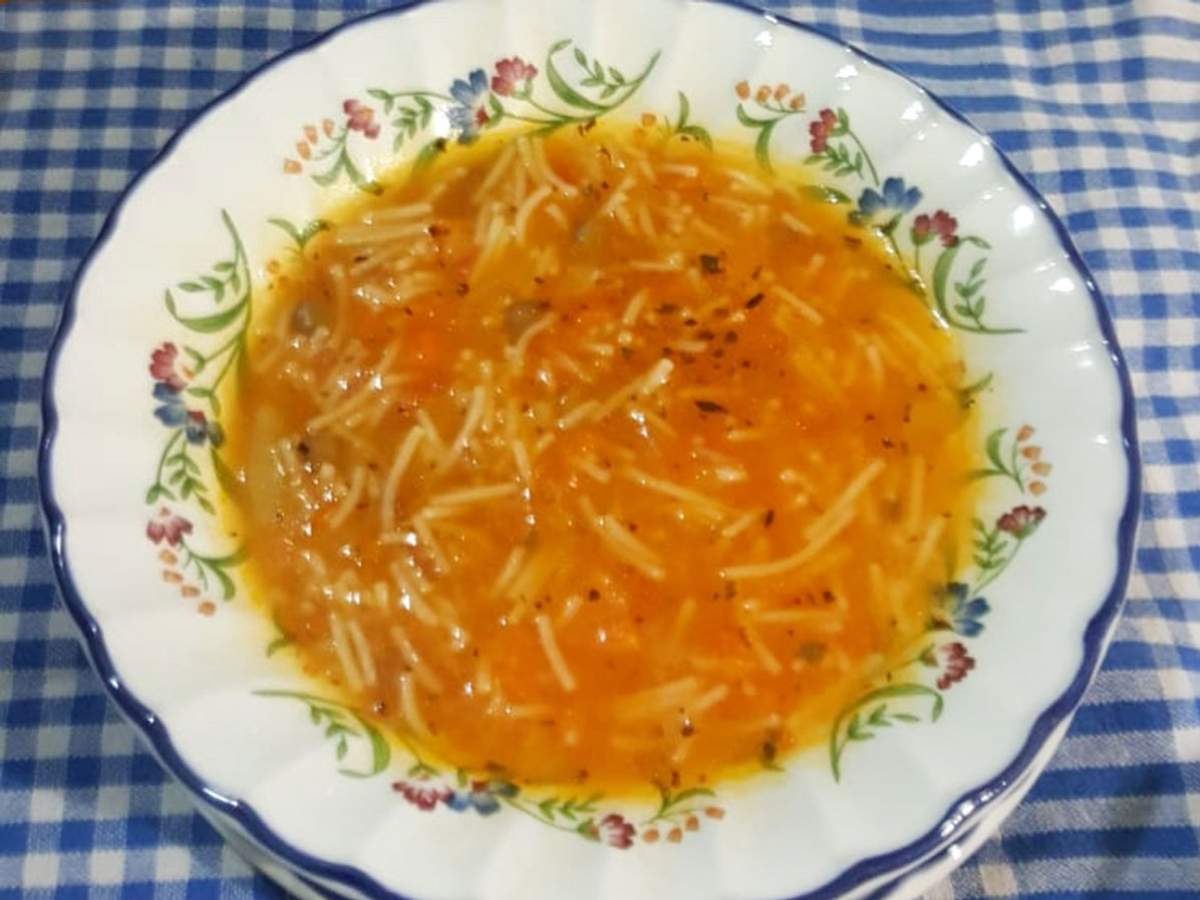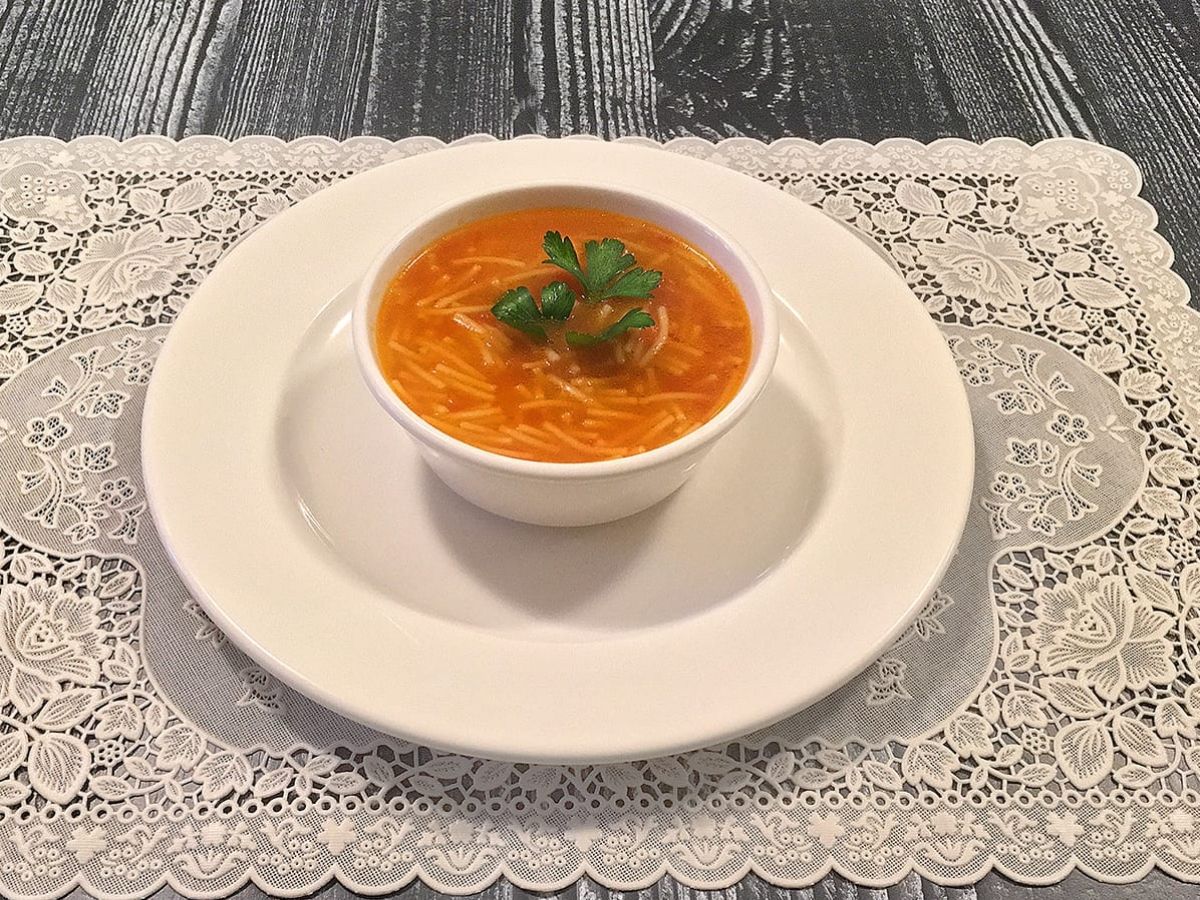

Ingredients for Easy Tomato Şehriye Soup (Turkish Orzo Soup)
- 4 tomatoes
- 1/2 tea glass (about 50 ml / 3 tbsp + 1 tsp) vegetable oil
- 4 water glasses (about 800 ml / 3½ cups) water
- 1 sugar cube
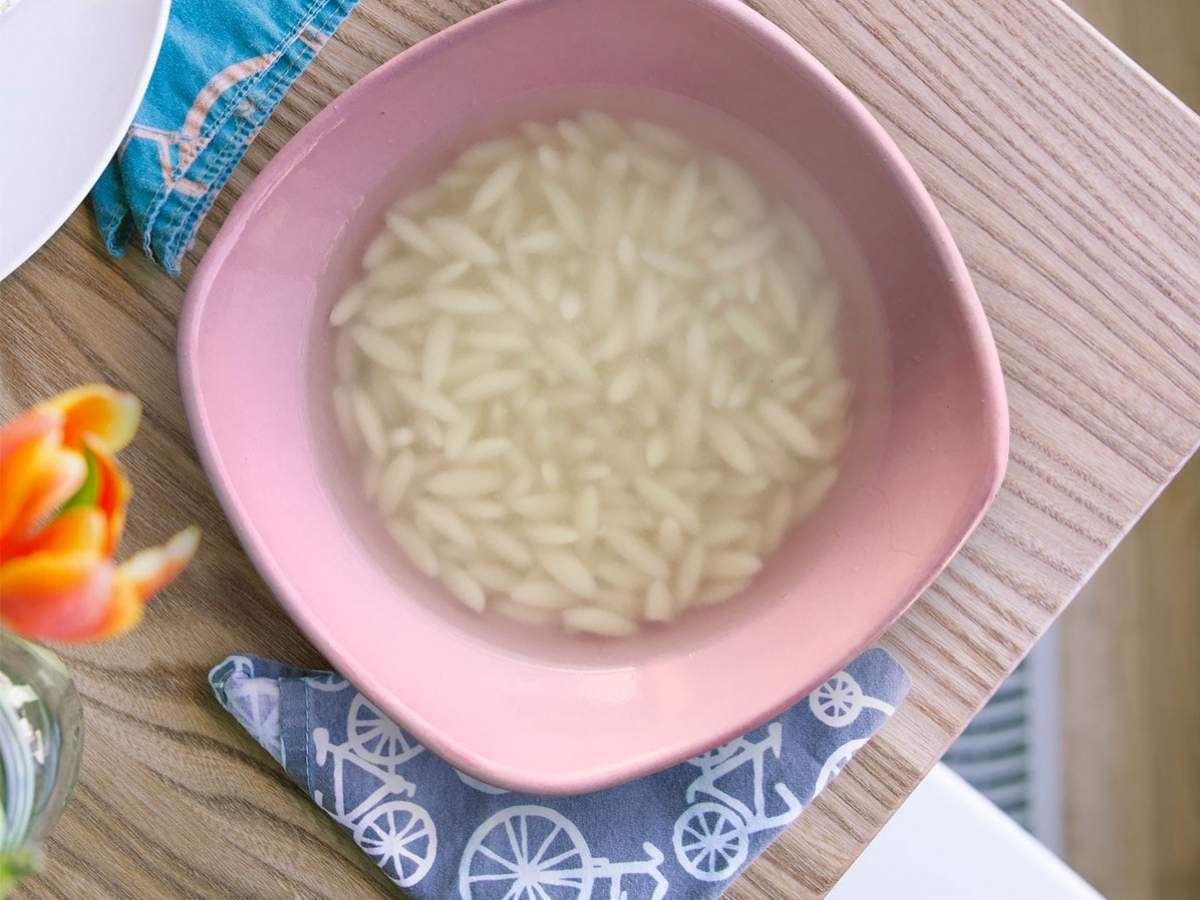
- 3–4 handfuls şehriye (Turkish orzo / tiny pasta)
- 1/2 dessert spoon (about 1 tsp) salt
- Parsley, to taste (optional)
How to Make Easy Tomato Şehriye Soup (Turkish Orzo Soup)
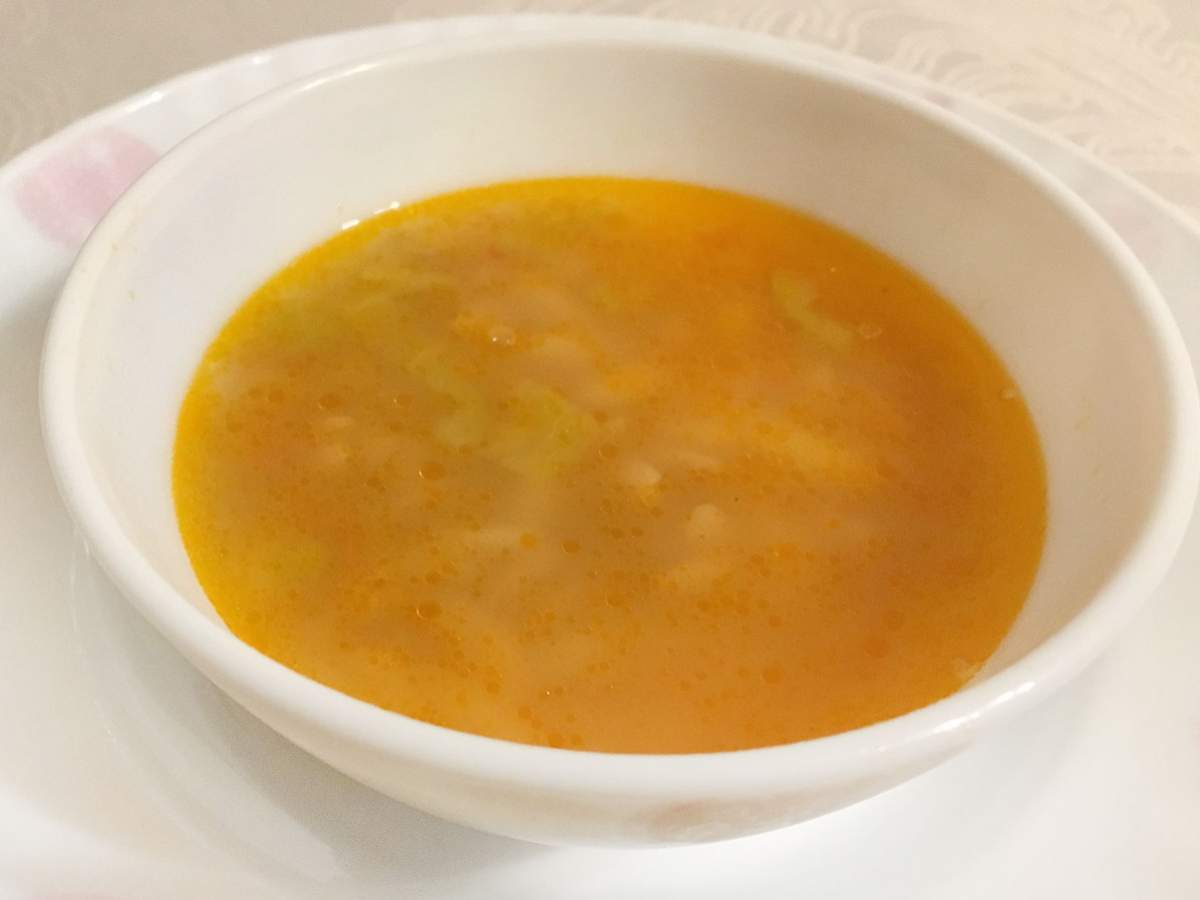
Place 4 grated tomatoes in a pot and sauté with 1/2 tea glass of vegetable oil. Add 1 sugar cube. Once the tomatoes are cooked, add 4 water glasses of water and 1/2 dessert spoon of salt to the pot. When it comes to a boil, add 3–4 handfuls of şehriye (Turkish orzo) and cook over low heat. You can optionally chop some parsley into the soup or serve it garnished with parsley. Enjoy your meal...
About This Recipe
It is believed that wild varieties of tomato were first grown in pre-Columbian times in a broad region spanning the Andes Mountains of South Africa and the area between Peru, Ecuador, and Bolivia. They were brought to Central America and Mexico through the northward migration of indigenous peoples. The fruit of the Lycopersicon sp. (tomato) plant was commonly called "tomate" or "tomato" by the people of these regions — a name rooted in the local language of the time, where "tomati" meant a juicy fruit with many seeds. The tomato was transported to Europe around the 1550s, following Christopher Columbus's voyage, which set sail on August 3, 1492, and led to the discovery of America on October 12, 1492. The Italians were the first in Europe to consume it. Evidence exists showing that by the 1570s, the English and Spanish were cultivating the tomato as an ornamental plant. The French named it "pomme d'amour," the English called it "love apple," and the Italians dubbed it "poma d'oro."
There is no definitive information about when the tomato arrived in our country. However, through collaborative research by historians and scientists, it is thought that the tomato may have a history of around 300 years in Turkey, paralleling its development in Europe. In its early days it was consumed while still green and was therefore called "Frenk Badıcanı" (Foreign Eggplant), under which name it was recorded in relevant documents. Records from the monthly expense ledgers kept in 1723 by Damat İbrahim Pasha — who served as vizier to Sultan Ahmed III during the Tulip Era (1718–1730) — contain references to tomato purchases.
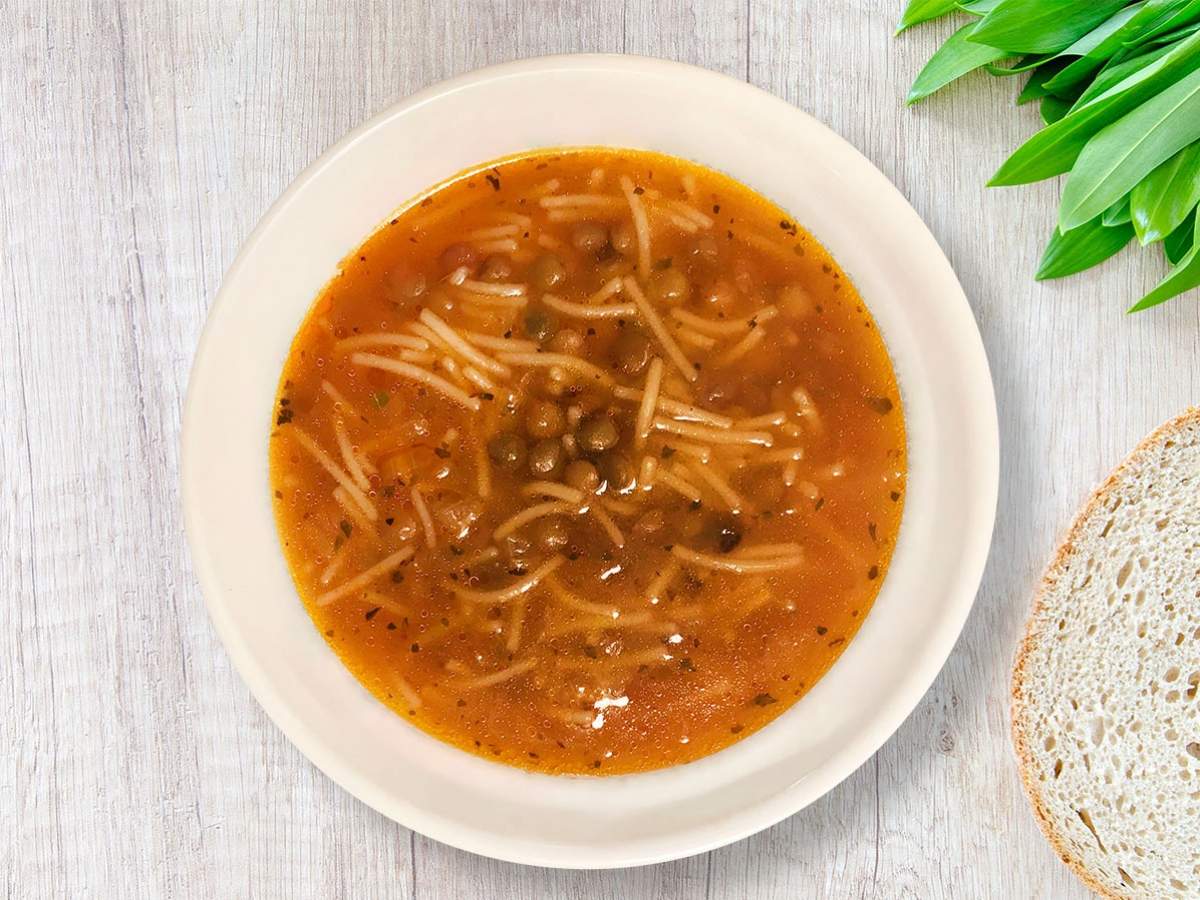
Today we have prepared our Easy Tomato Şehriye Soup recipe for you. Be sure to also try our Green Lentil Soup with Şehriye recipe at some point. Happy cooking!