
Ingredients for Plain Omelet
- 1 egg
- 1 water glass (about 200 ml / 3/4 cup + 1 tbsp) milk
- 3 tablespoons flour
- 1 teaspoon salt
- 1 teaspoon butter
How to Make Plain Omelet
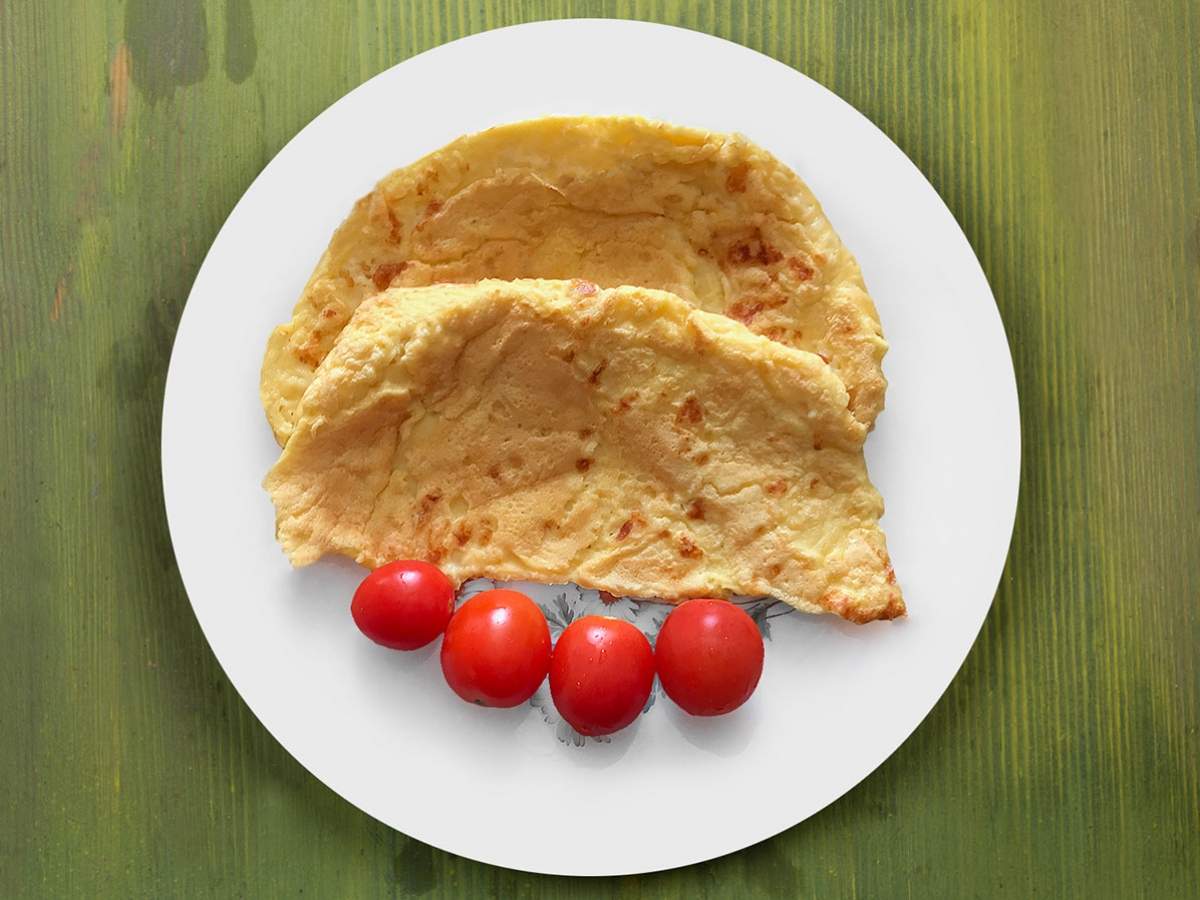
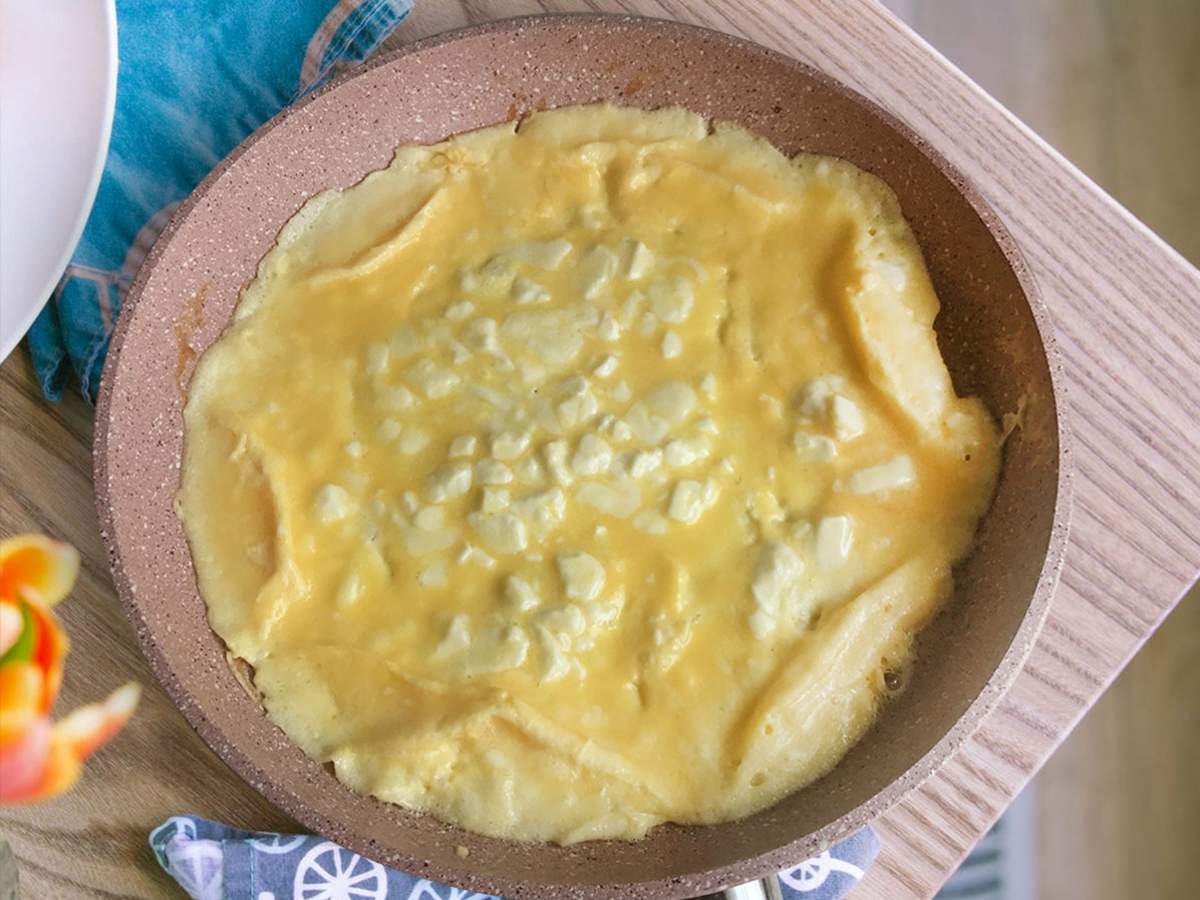
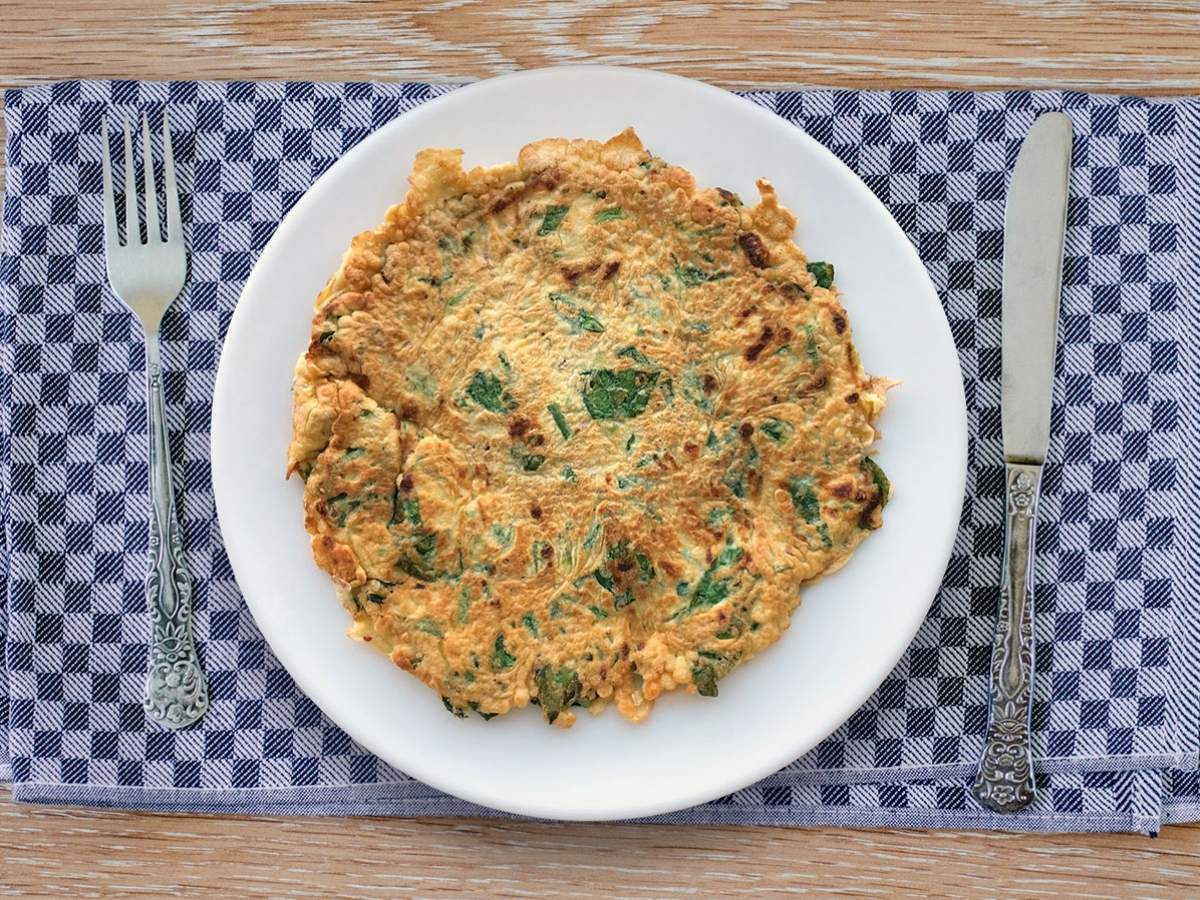
In a bowl, beat 1 egg. Add 1 water glass (about 200 ml / 3/4 cup + 1 tbsp) of milk, 3 tablespoons of flour, and 1 teaspoon of salt, then beat again. Grease a crepe pan with 1 teaspoon of butter using a piece of paper towel. Pour one ladle of the batter into the pan and quickly spread it to cover the entire surface. Cook by flipping once, and serve with your favorite jam. Enjoy your meal…
About This Recipe
Eggs are rich in protein and also contain 10 essential amino acids. But that's not all — they are packed with many vitamins needed for healthy nutrition, including vitamins A, D, E, and the B-group, as well as 11 essential minerals including thiamin, niacin, riboflavin, iron, and phosphorus. Eggs are especially important for the physical and mental development of children in their growing years. Eggs contain choline, which plays an important role in brain development.
A study conducted at a university in the United States found that eating eggs specifically at breakfast is effective in reducing body fat. Eggs contain the amino acid 'leucine,' which helps preserve lean muscle mass. This amino acid plays an important role in burning body fat. In a 10-week study at the same university, people who consumed leucine-rich proteins such as eggs, low-fat dairy products, and lean meat at breakfast lost twice as much fat compared to those who had a carbohydrate-rich breakfast.
A few eggs (60–90 g) added to your meals can substitute for fish or white meat. When compared to meat and milk in terms of calories, a 55 g egg is known to be equivalent to 40 g of fatty beef or 100 g of whole milk.
The difference in yolk color — darker or lighter yellow — depends on the feed given to the hen. If the feed contains more wheat than the recommended amount, the yolk will be light; if it contains more corn, the yolk will be darker. It's that simple. However, this has no effect on the nutritional value or quality of the egg.
Who could say no to a delicious Plain Omelet at breakfast? You should also definitely try our Red Pepper Omelet recipe sometime. Bon appétit…