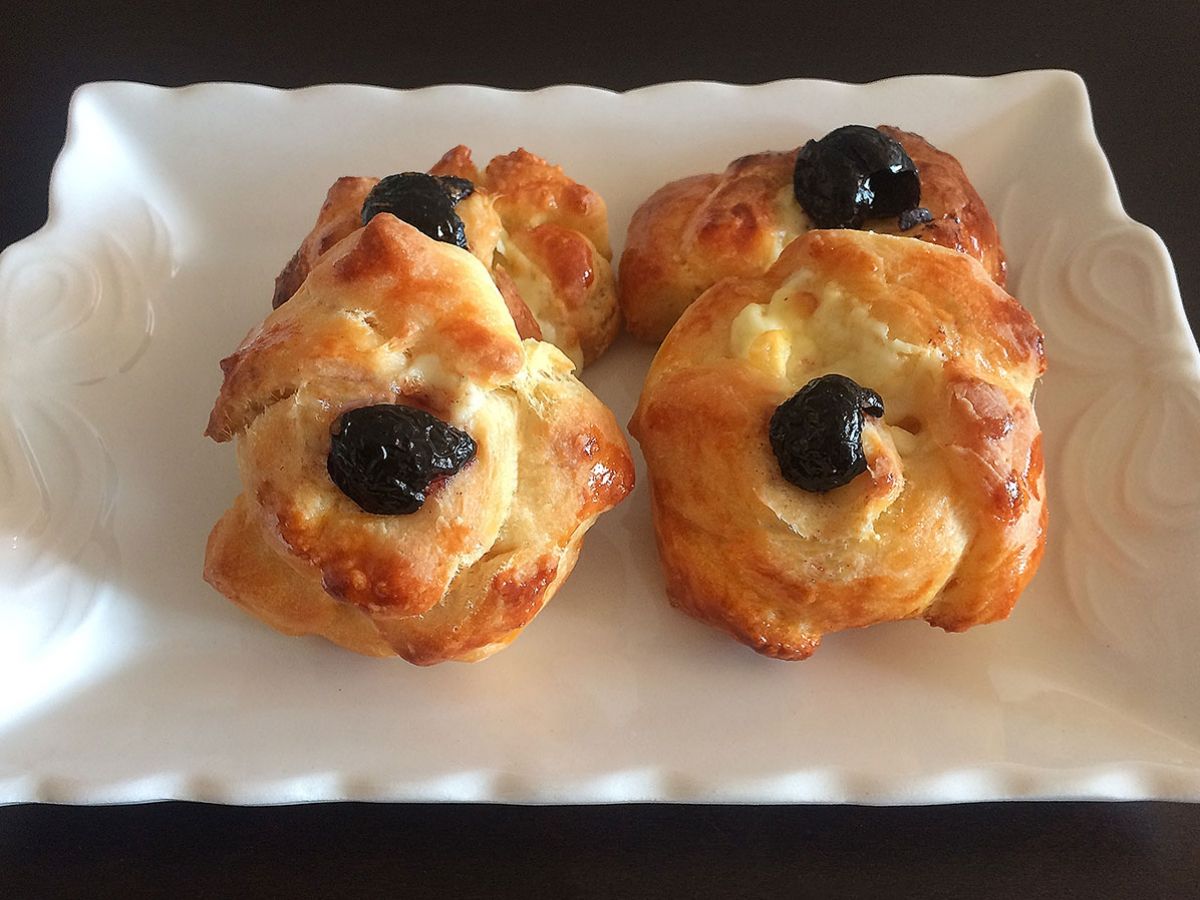

Ingredients for Olive Rose Poğaça (Turkish Olive Rose Rolls)
- 1 water glass (about 200 ml / 3/4 cup + 1 tbsp) yogurt
- 1 egg
- 1 egg white and 1 egg yolk (separated)
- 1 tea glass (about 100 ml / 1/3 cup + 1 tbsp) vegetable oil
- 1.5 dessert spoons (about 1 tbsp) vinegar
- 2 tablespoons margarine
- 1 dessert spoon (about 2 tsp) salt
- 1 teaspoon baking powder
- Flour, as much as needed
- Olives, one per roll
How to Make Olive Rose Poğaça (Turkish Olive Rose Rolls)
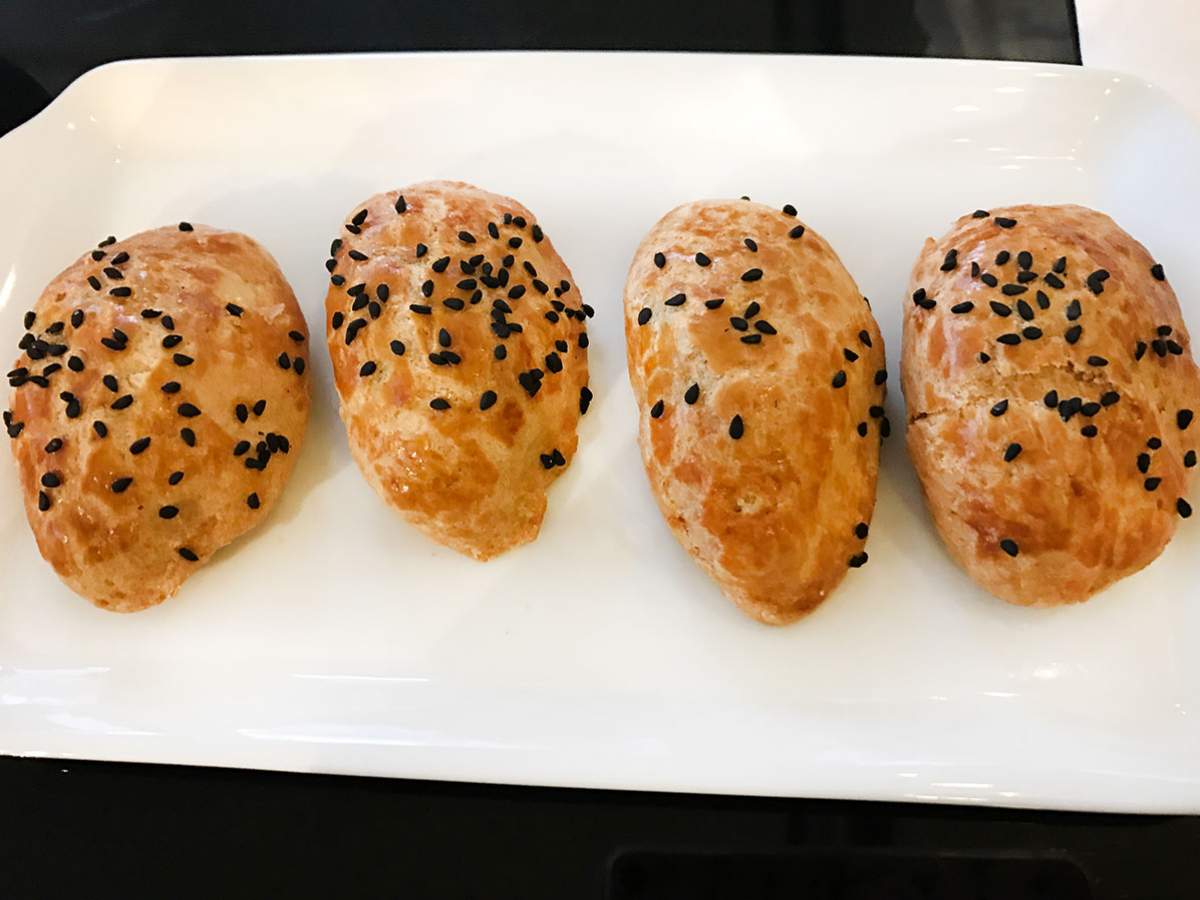
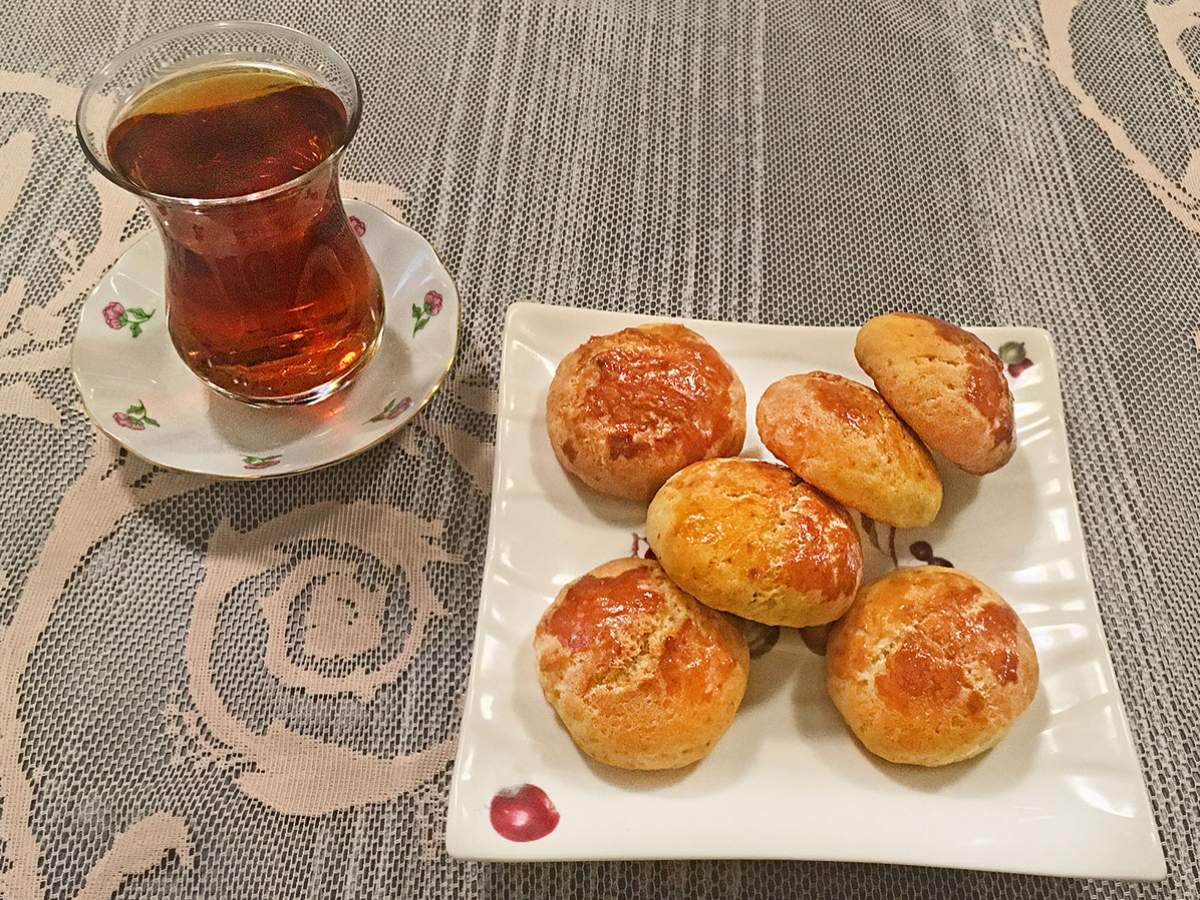
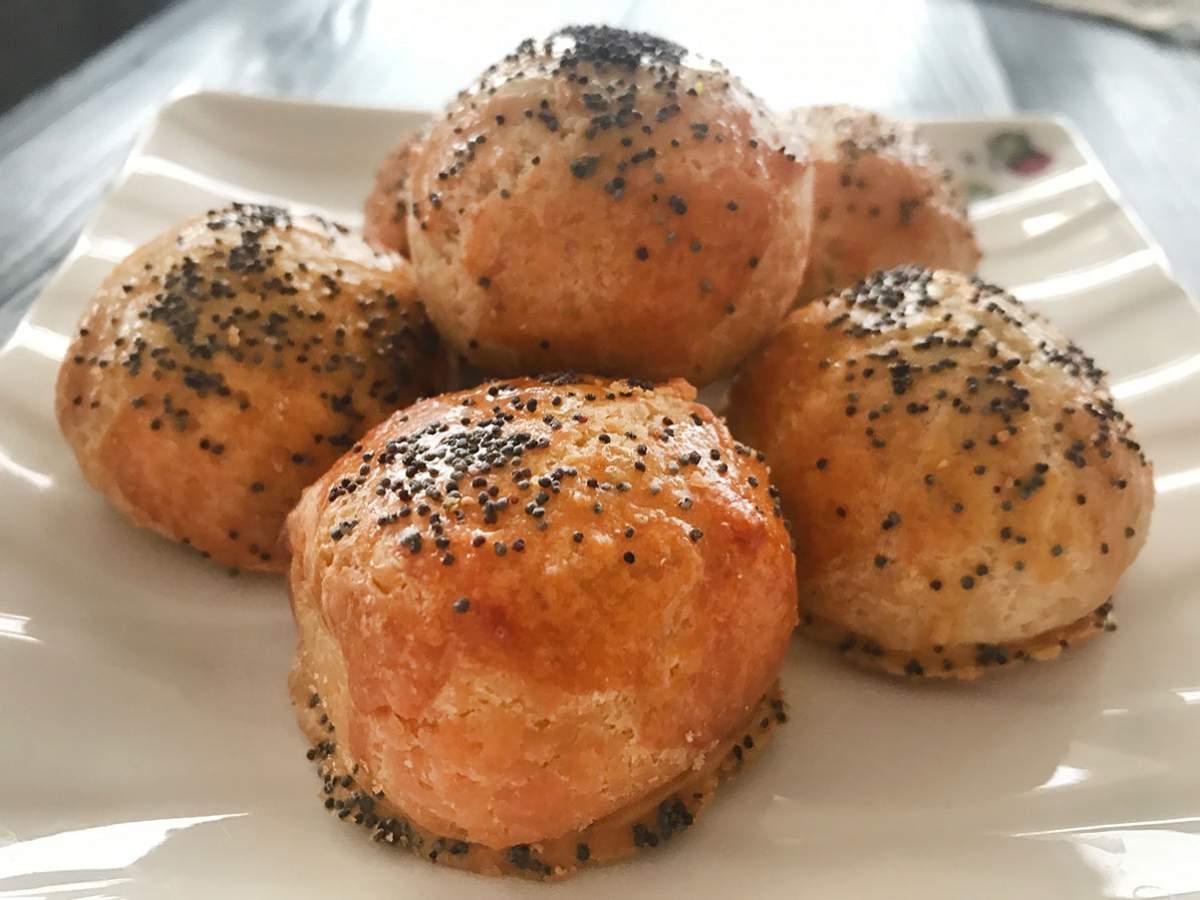
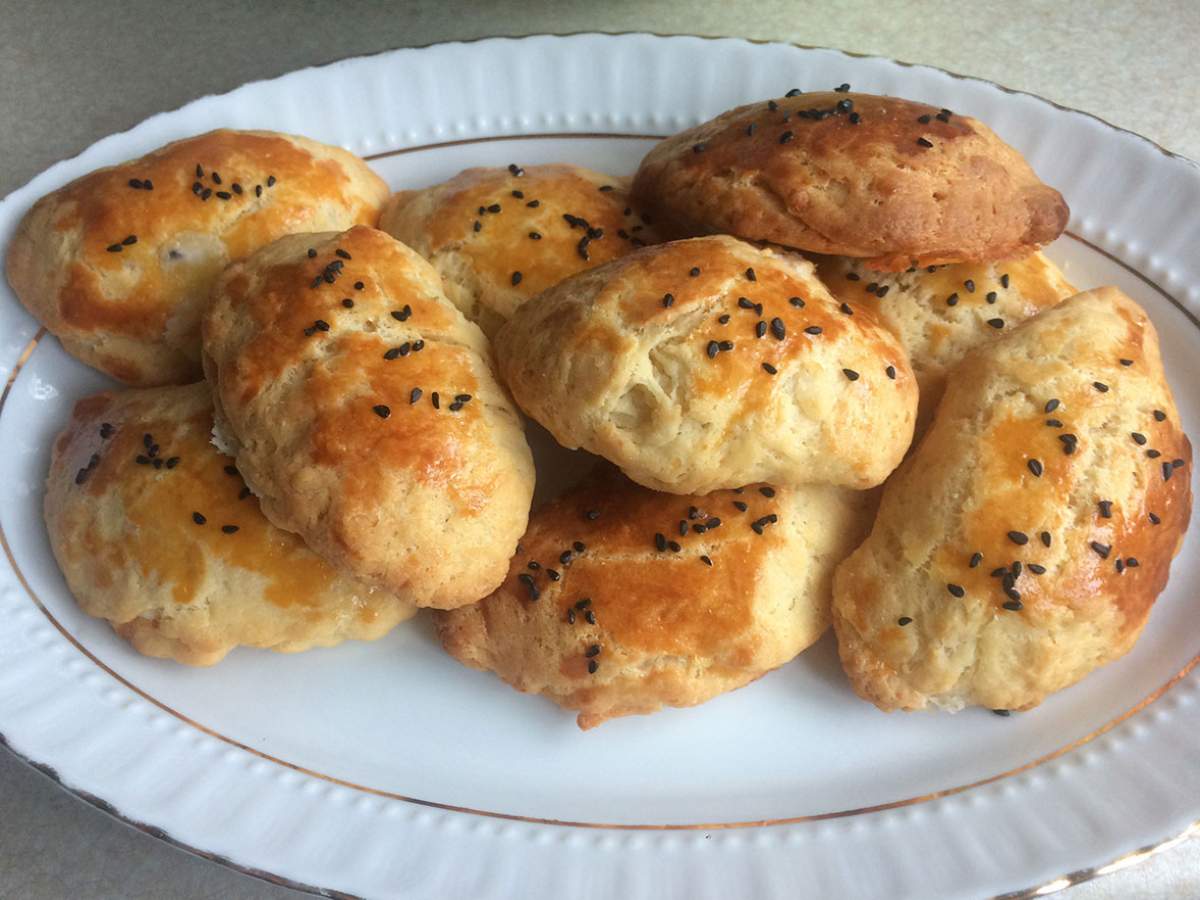
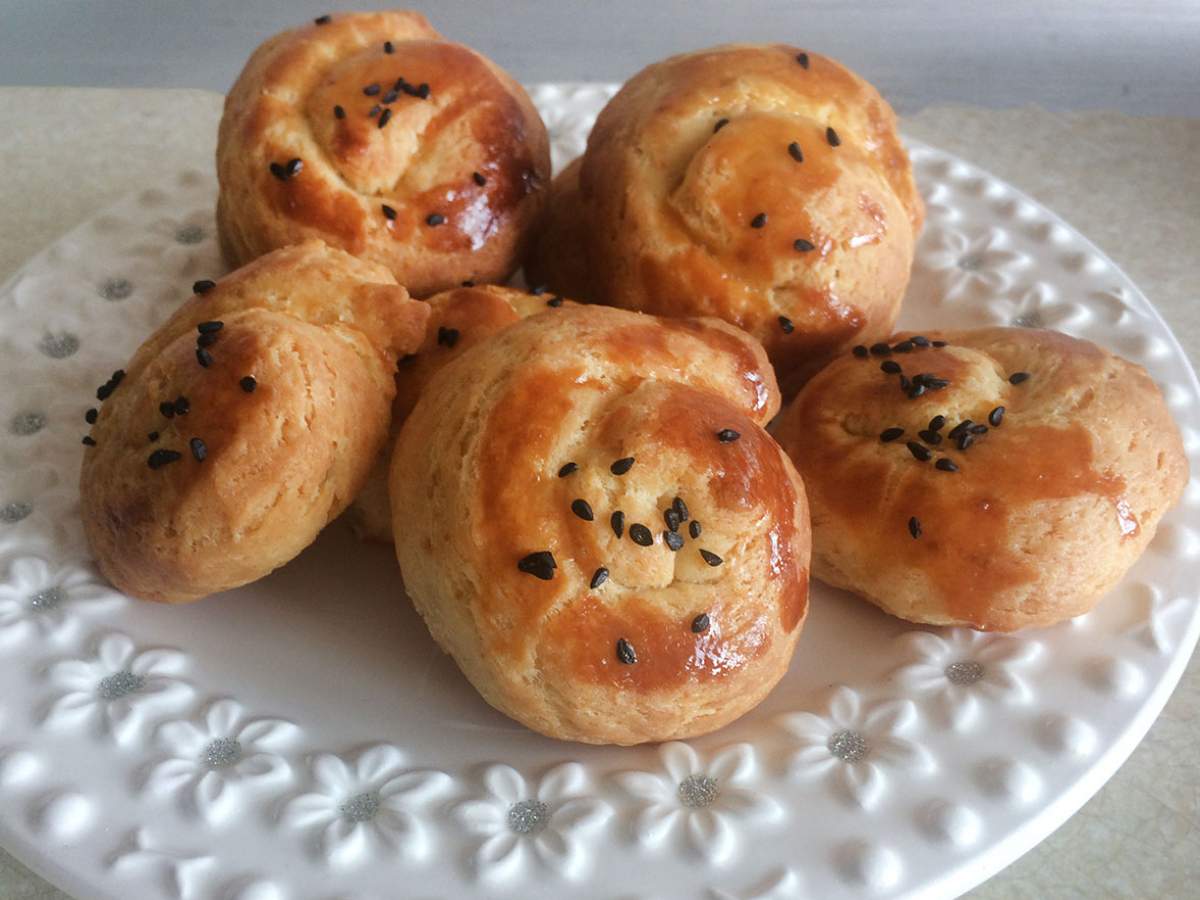
Combine 1 water glass of yogurt, 1 egg, 1 egg white, 1 tea glass of vegetable oil, 1.5 dessert spoons of vinegar, 2 tablespoons of margarine, 1 dessert spoon of salt, baking powder, and enough flour in a bowl and knead until the dough no longer sticks to your hands. Pull off tangerine-sized pieces of dough and roll them out into round discs on the counter. Without touching the center, use a knife to make 6 cuts around the edges. Place a small amount of finely chopped thyme-marinated olives in the center, then fold the cut flaps over one another in a rotating fashion to create a rose shape. Place one whole pitted olive on top. Arrange on a parchment-lined baking tray, brush the tops with egg yolk, and bake at 200°C (390°F).
About This Recipe
Oleaster, which has been part of the natural flora of the Eastern Mediterranean region since 10,000 years before the common era, is a wild olive tree characterized by its thorny branches and small fruits. Olive trees that grow naturally without being cultivated from seed are called wild olives (oleaster).
Quick Facts About Olives
*Olive trees stay green in both summer and winter. They do not dry out or shed their leaves in winter, and any leaves that do fall are quickly replaced by new ones, keeping the tree evergreen year-round.
*Green and black olives come from the same tree.
*Olive trees generally begin to ripen and be harvested starting in October. Olive oil obtained from olives harvested during this season is called early-harvest olive oil. These olives are green in color and are typically processed using cracking and scoring methods. When the olives have fully darkened, they are harvested again. The olives collected during this period are processed to produce table-ready black olives.
*Olives are mentioned quite frequently in holy scriptures and various mythologies. The olive tree is praised in the Quran, hadith, the Bible, the Torah, and various mythologies. Together with the white dove, it is considered the most elegant symbol of peace. It has become a symbol of holiness, abundance, prosperity, wisdom, and peace.
*Olive trees and olives are also very important to the Chinese. According to their culture, the olive symbolizes "life," and they believe that olive tea and olive wine extend one's lifespan.
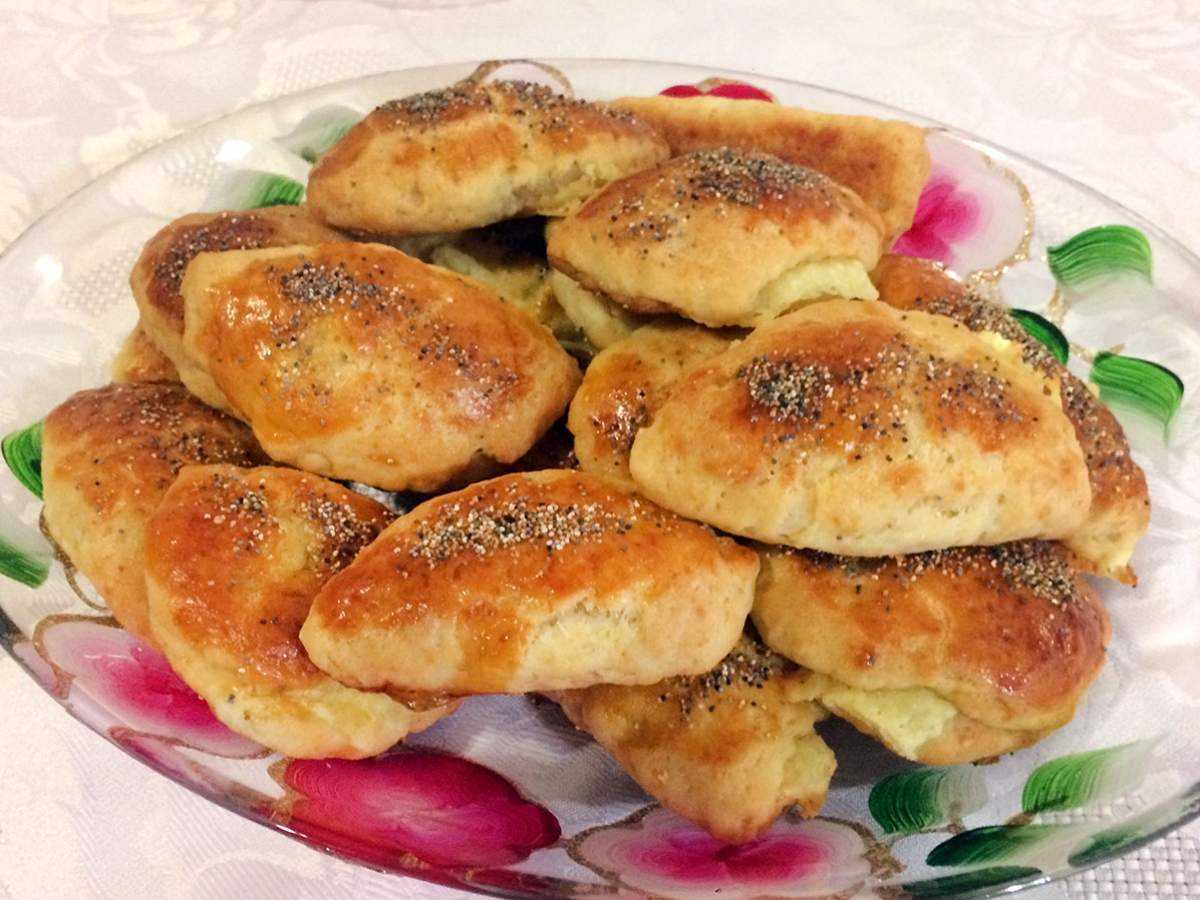
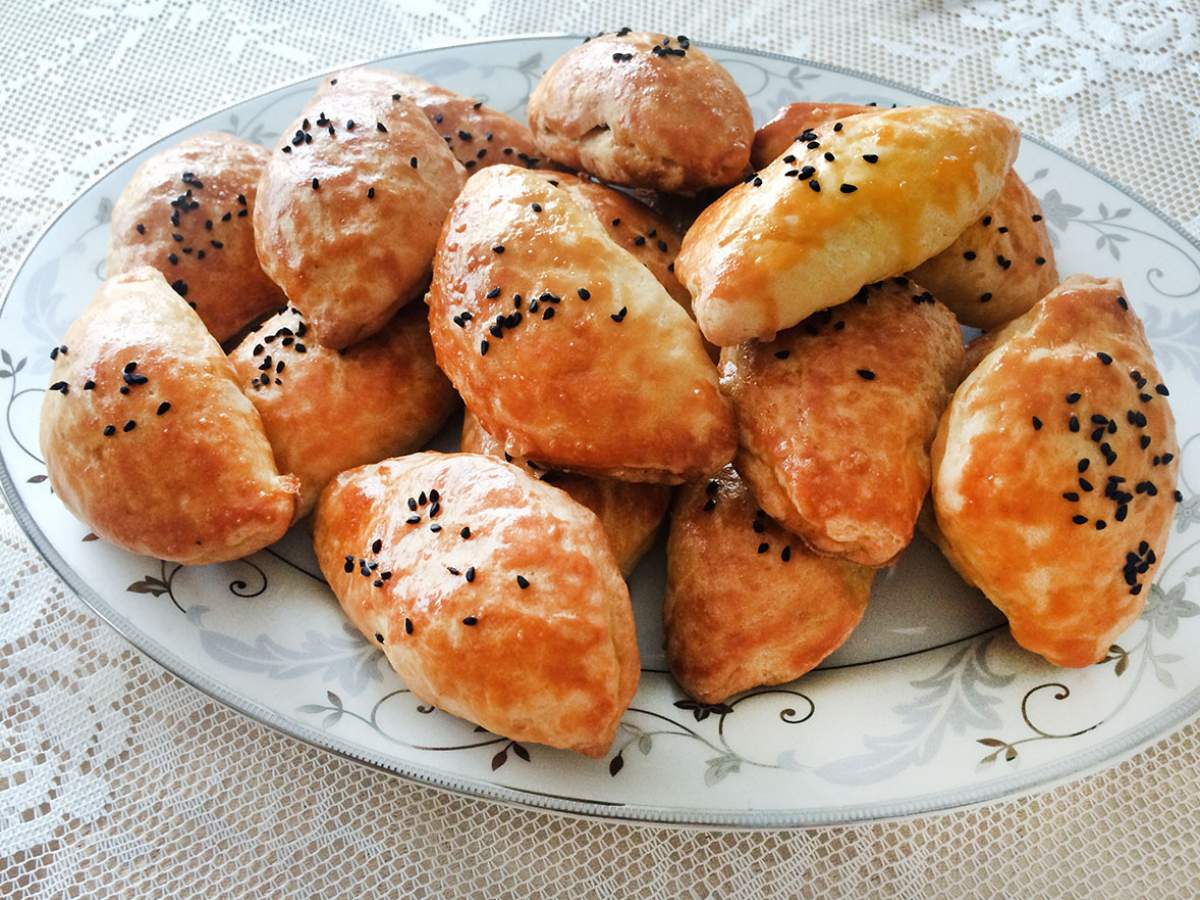
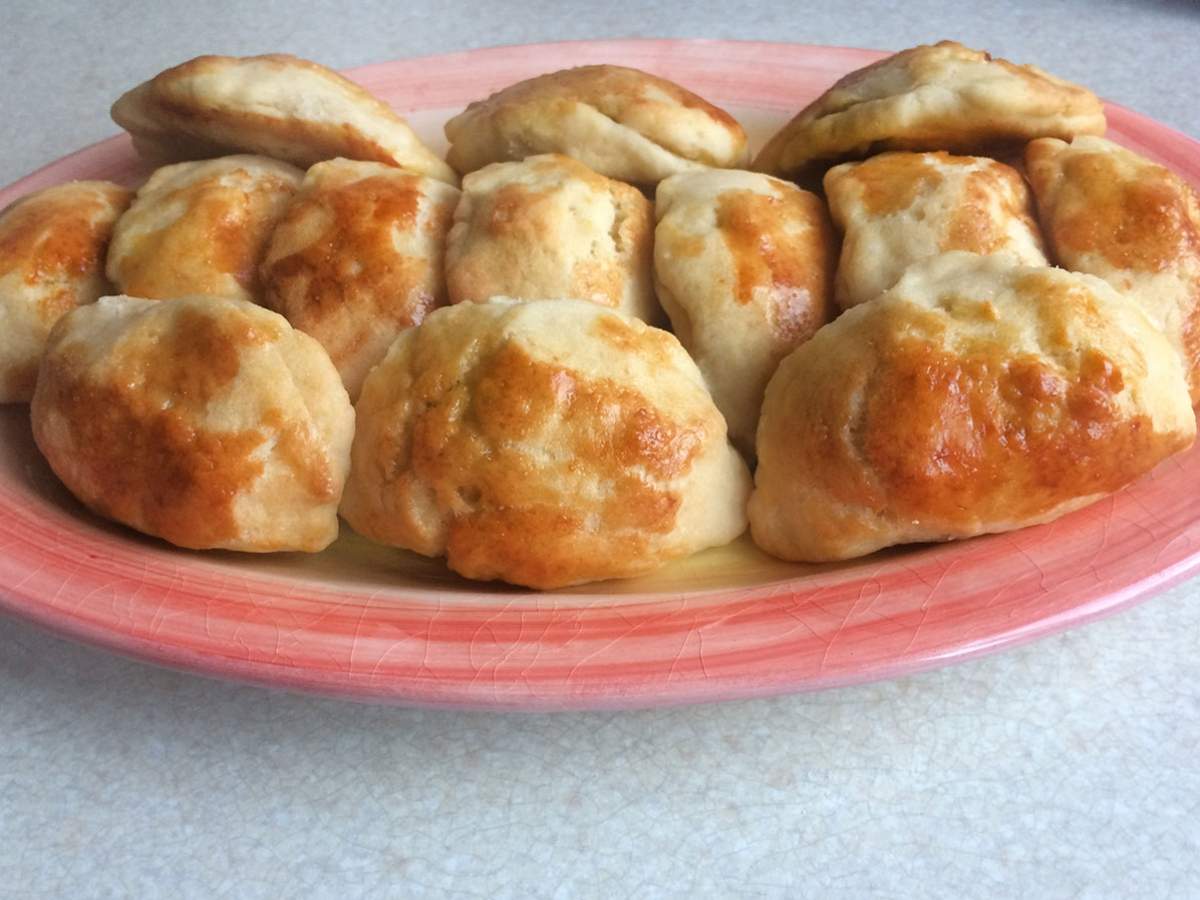
Today we have prepared our Olive Rose Poğaça recipe for you. Our Yeasted Rose Poğaça is legendary, but the olive version turned out absolutely delicious too. Enjoy!