
Ingredients for Olive Oil Flower Celeriac (Zeytinyağlı Çiçek Kereviz)
- 4 celeriac bulbs with leaves
- 3 carrots
- 1 onion
- 1/2 tea glass of vegetable oil (about 50 ml / 3 tbsp + 1 tsp)
- 1/2 tea glass of olive oil (about 50 ml / 3 tbsp + 1 tsp)
- 1/2 lemon
- 4 sugar cubes
How to Make Olive Oil Flower Celeriac (Zeytinyağlı Çiçek Kereviz)
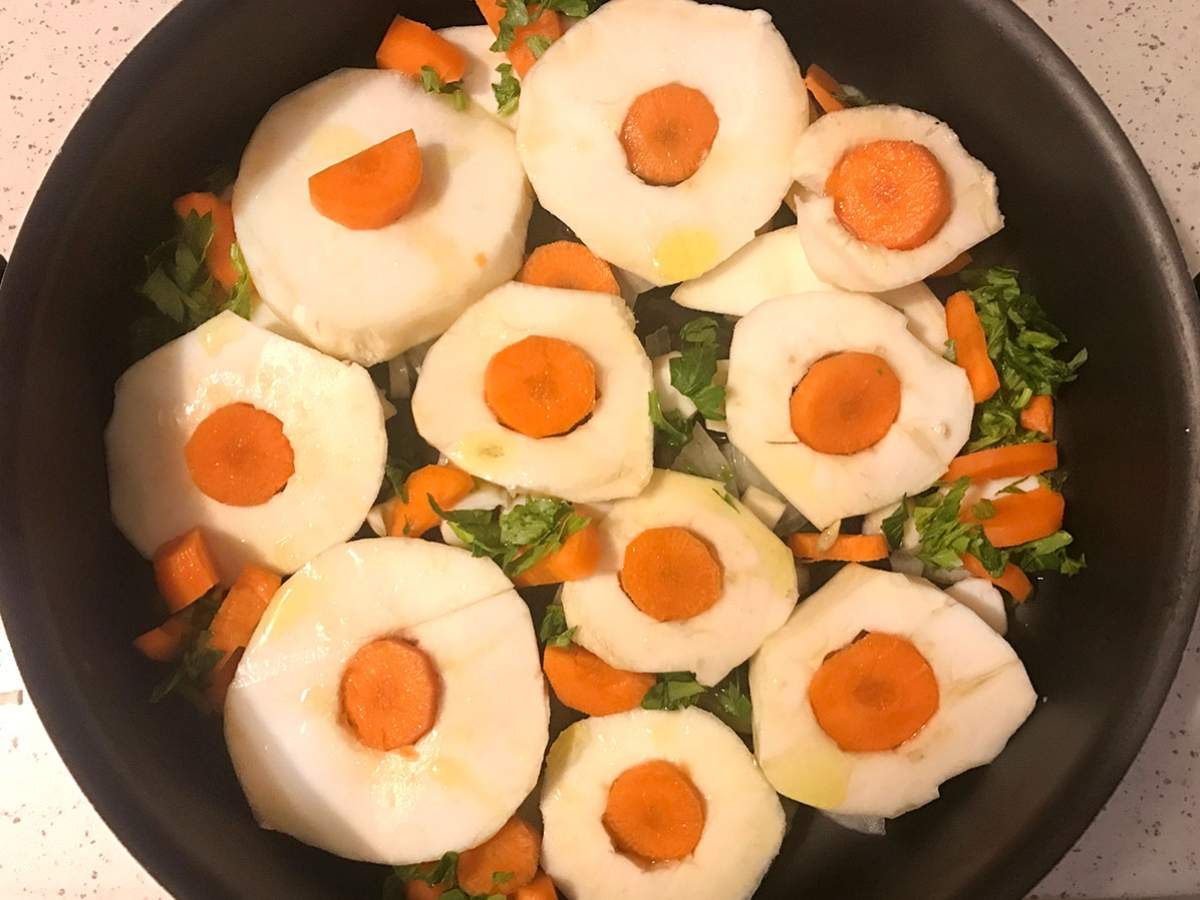
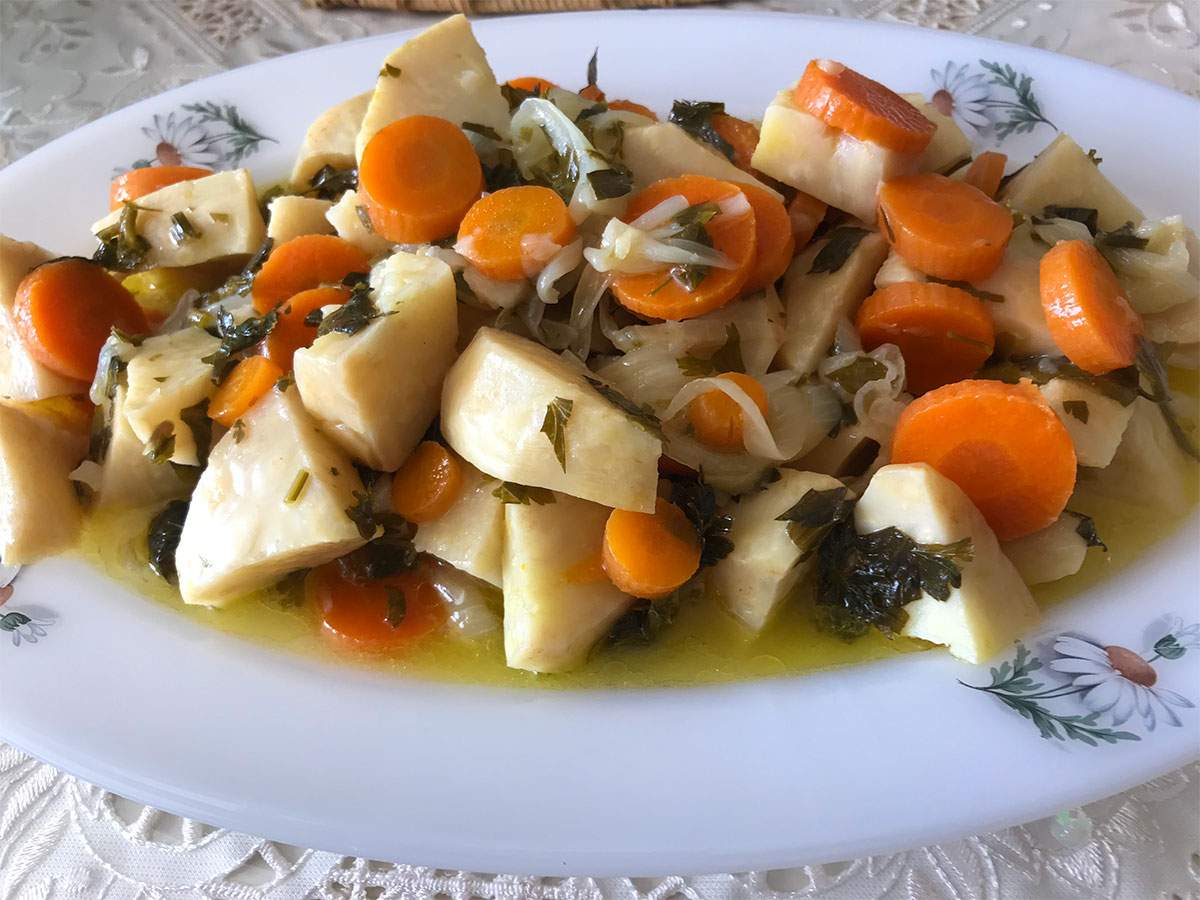
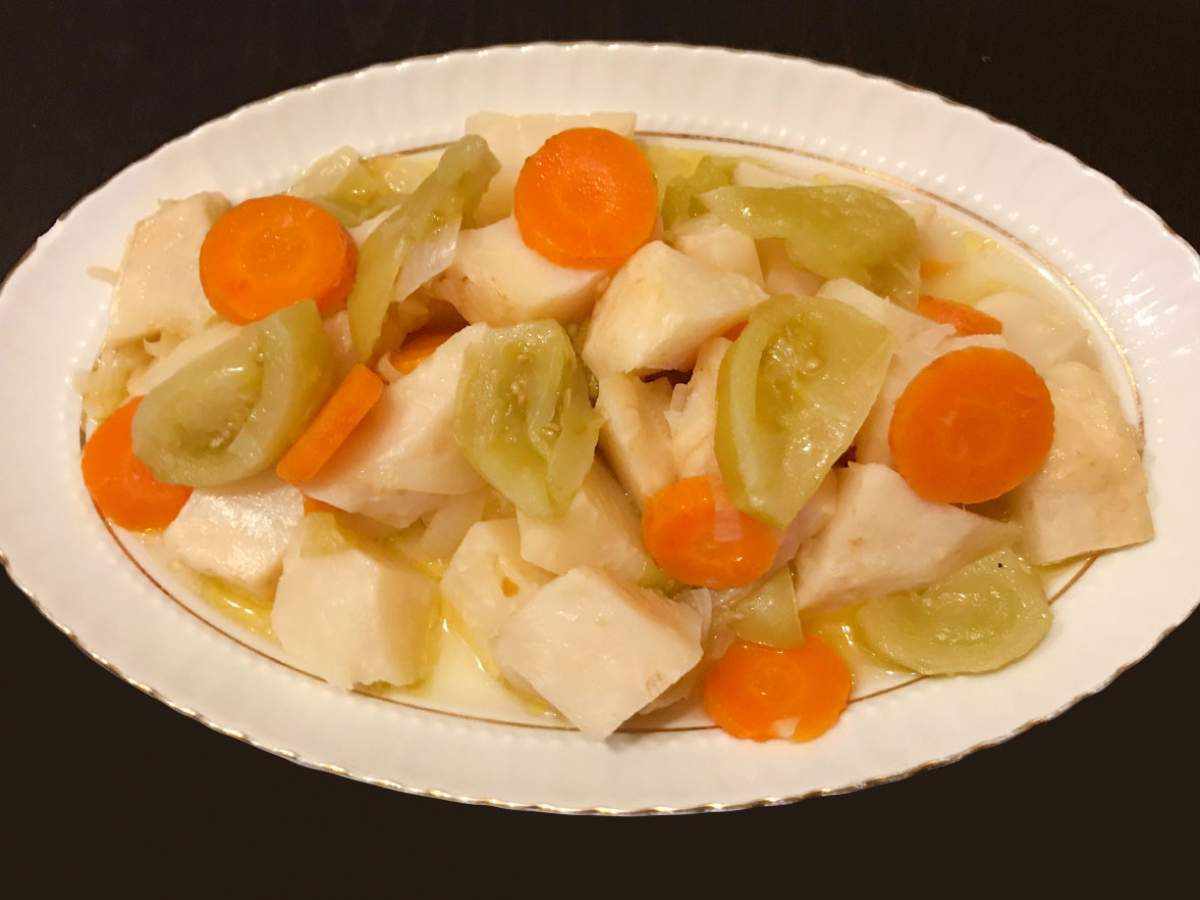
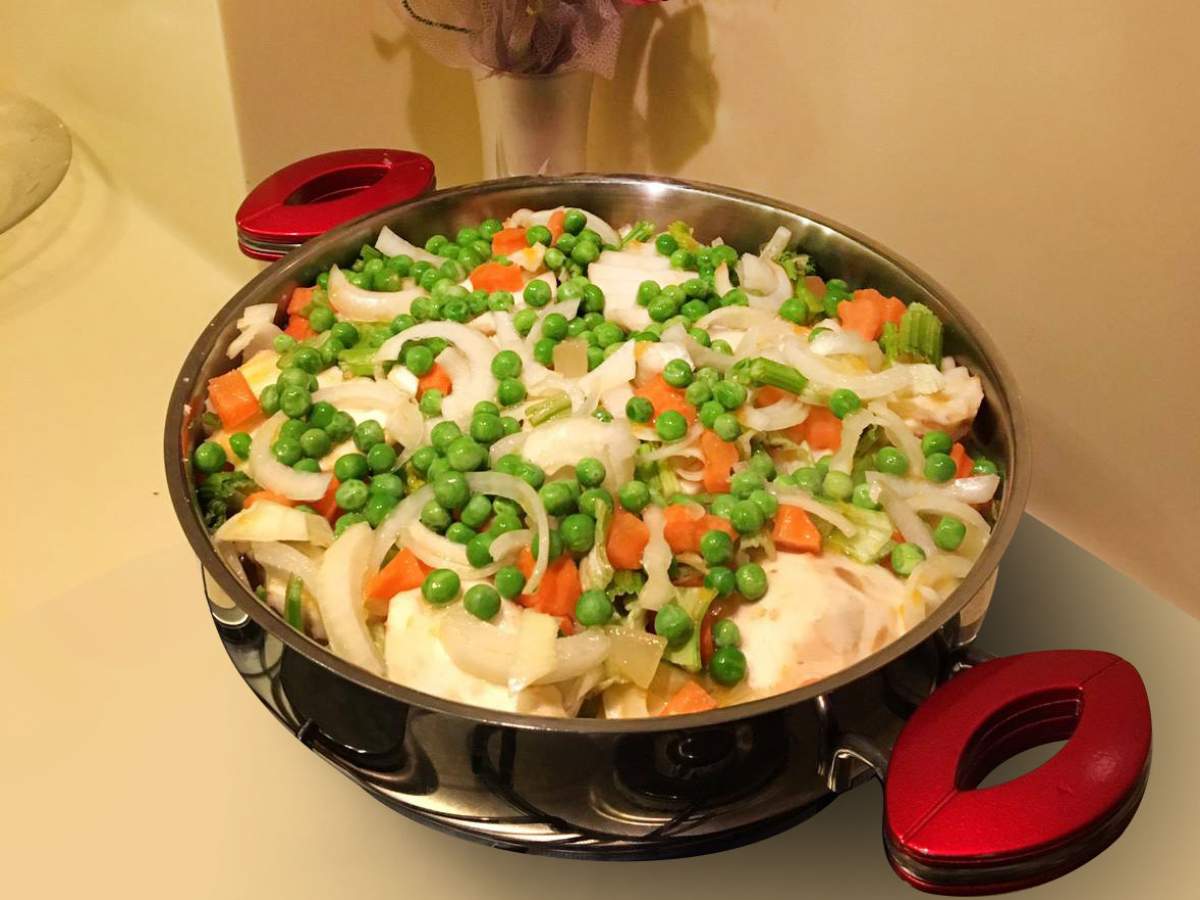
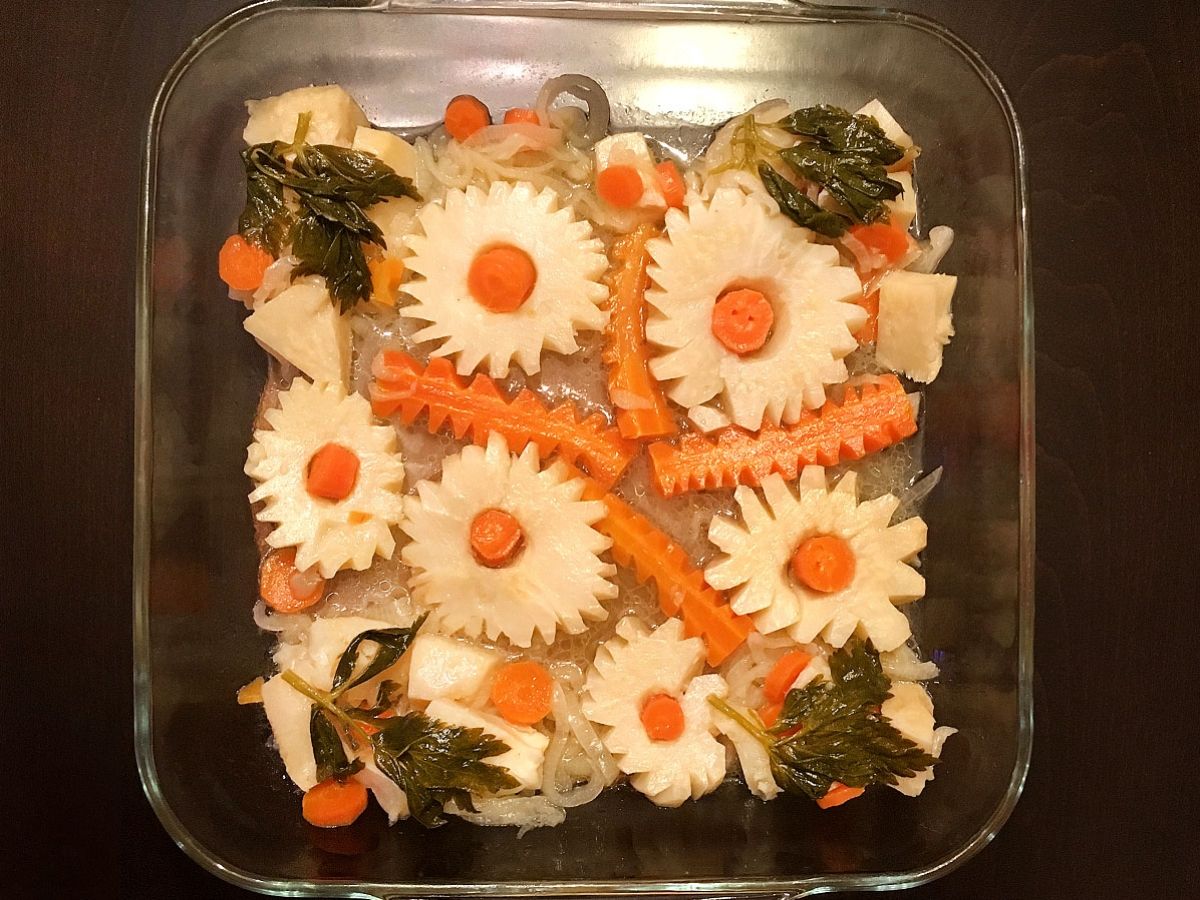
Peel and wash 4 celeriac bulbs, then slice them into rounds. Hollow out the centers using a zucchini corer. Using a knife, cut the edges into a jagged, petal-like pattern. Peel 2 carrots, cut them in half lengthwise, then shape the edges with a knife into a pine tree pattern. Peel the remaining carrot, slice it into rounds, and place the rounds into the hollowed-out centers of the celeriac. In a wide, shallow pot, slice 1 onion into rings. Place the prepared celeriac and carrots on top. Add 1/2 tea glass of vegetable oil (about 50 ml / 3 tbsp + 1 tsp) and 1/2 tea glass of olive oil (about 50 ml / 3 tbsp + 1 tsp), then squeeze 1/2 lemon over everything. Add 4 sugar cubes and pour in enough water to just cover. Finely chop a small amount of the celeriac leaves and add them in. Once the water comes to a boil, reduce to low heat and cook until the carrots are tender. Enjoy your meal...
About This Recipe
Olive trees generally begin to ripen and be harvested around October. The olive oil obtained from olives harvested during this season is called early harvest olive oil. These olives are green in color and are usually produced using the cracking and scoring method. When the olives have fully darkened, they are harvested again. The olives collected during this period are processed to obtain table black olives.
Early harvest; The olives are picked before they have fully turned black. The oil pressed from these olives is called early harvest oil. This oil contains higher nutritional value (such as phenolic compounds and antioxidants). For this reason, it has a more aromatic and sharp character. It should never be used for cooking over heat. Whenever possible, it should be consumed raw (especially at breakfast or by drizzling it over a warm olive oil dish on your plate). High-quality early harvest oil is also a healing source for your skin — it is directly beneficial in cases of burns, dryness, eczema treatment, and more.
Cold press; This refers to the temperature of the water circulating around the machine walls while the olive paste rotates inside the machine, which should remain between 26–28°C (79–82°F). It is worth noting right away that this water never comes into contact with the olives themselves. If boiling water were to touch the olive paste, it would not be possible to obtain quality oil from those olives. Let us also point out that cold pressing is actually a necessity, not a luxury… Oleaster, which was part of the natural vegetation of the Eastern Mediterranean region 10,000 years before the Common Era, is a wild olive tree with thorns and small fruits. An olive that grows on its own, without being planted from seed, is called a wild olive (oleaster).
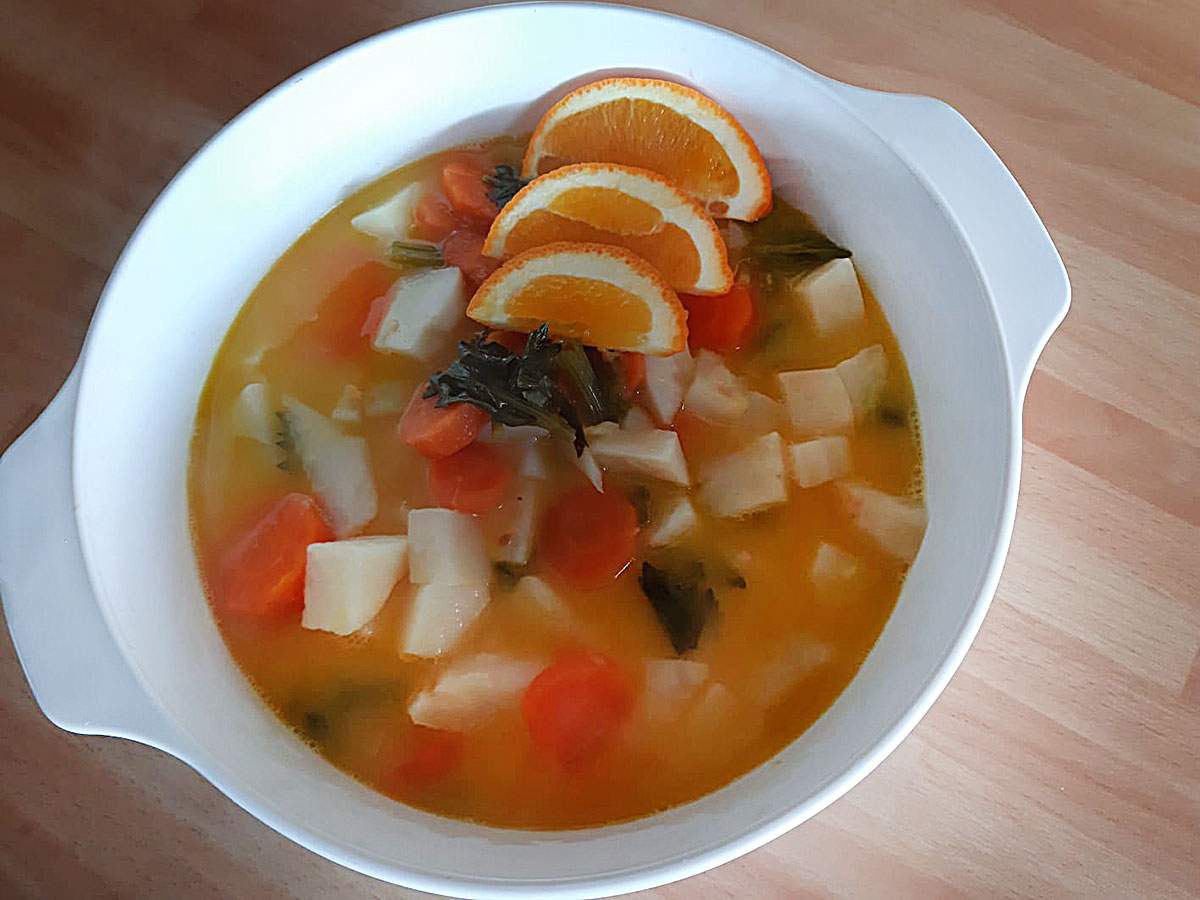
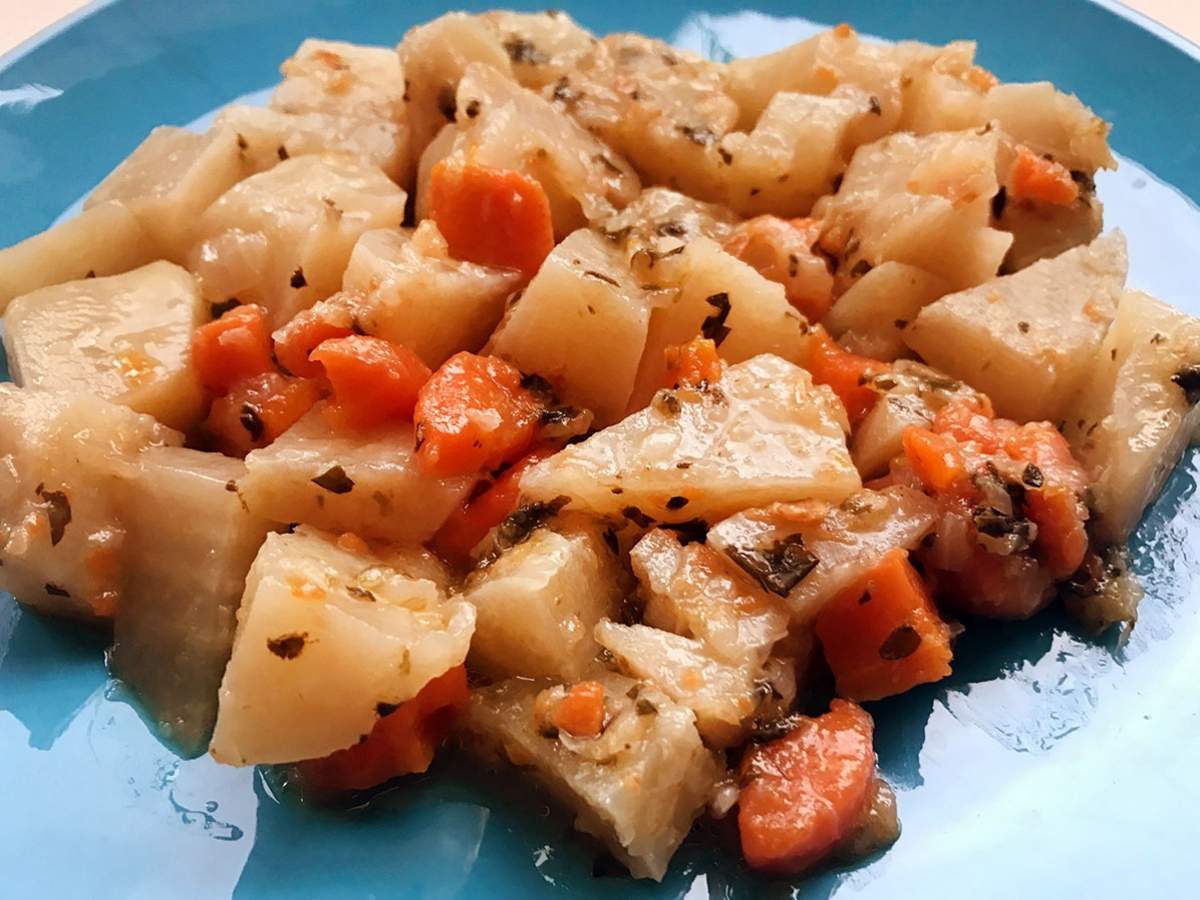
Today we have prepared our Olive Oil Flower Celeriac (Zeytinyağlı Çiçek Kereviz) recipe for you. You should also definitely try our Orange Celeriac recipe sometime. Bon appétit!