How to Identify Poisonous Mushrooms? Tips for Recognizing Toxic Mushrooms
Do you know how to tell apart poisonous species when foraging for mushrooms in the wild? Colors, shapes, and smells can be deceiving. So how do you recognize toxic mushrooms?
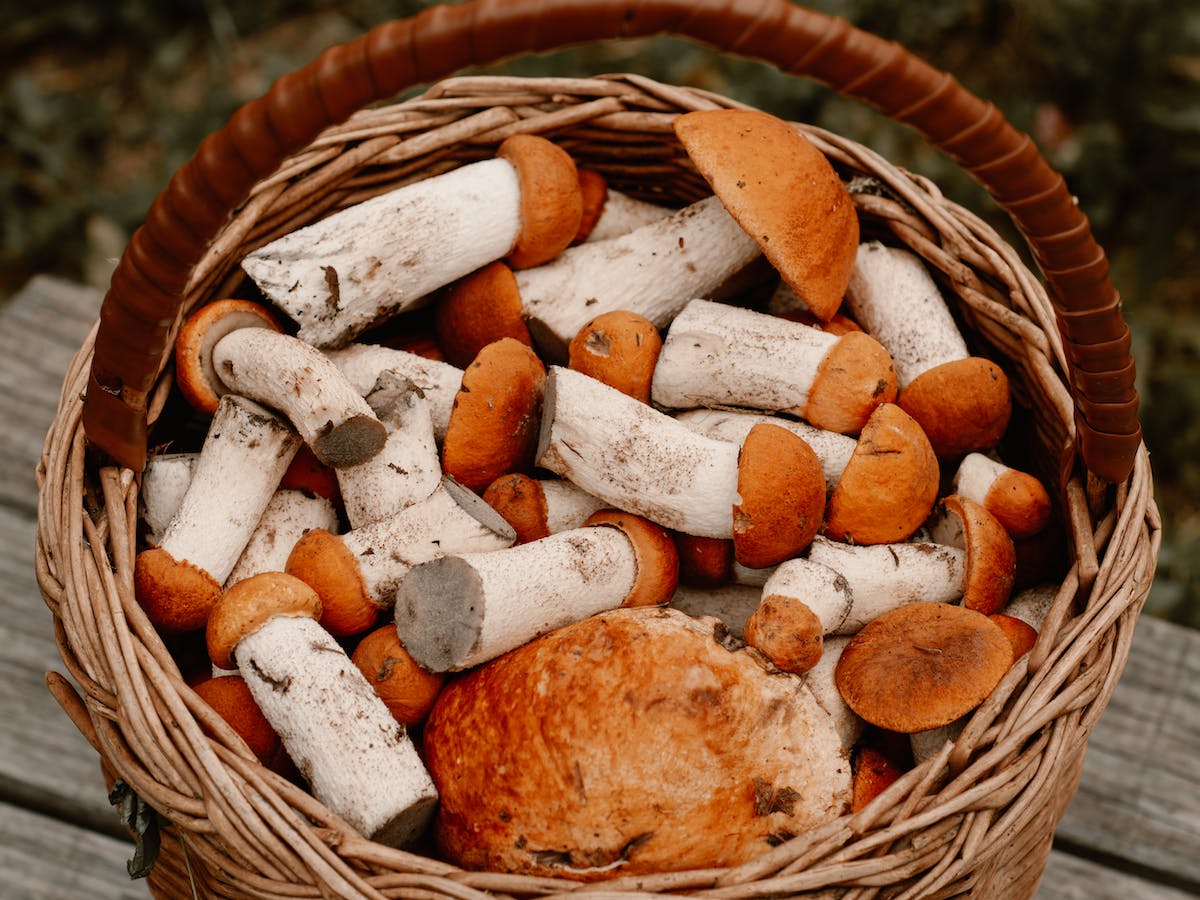

Mushrooms are frequently encountered during nature hikes and camping activities, drawing attention both for their natural beauty and their potential dangers. However, not every type of mushroom is edible — some can cause serious health problems. Being informed about mushroom foraging in particular can significantly reduce the risk of poisoning. So, how can we tell whether the mushrooms we come across in the wild are poisonous?
Signs of Poisonous Mushrooms
There are some general ways to identify poisonous mushrooms, but it is important to remember that these are not always definitive. For example, some poisonous mushrooms can share very similar characteristics with edible ones. In general, toxic mushrooms may have bright colors, unusual shapes, and unpleasant odors. However, these criteria are not always reliable.
Things to Watch Out for When Foraging Mushrooms in the Wild
The safest approach when foraging mushrooms is to only collect species you know well and are certain are edible. If you do not have sufficient knowledge about mushrooms, it will be helpful to consult an expert or use detailed field guides. Remember, if there is any doubt, you should avoid picking the mushroom.
What to Do After Eating a Poisonous Mushroom
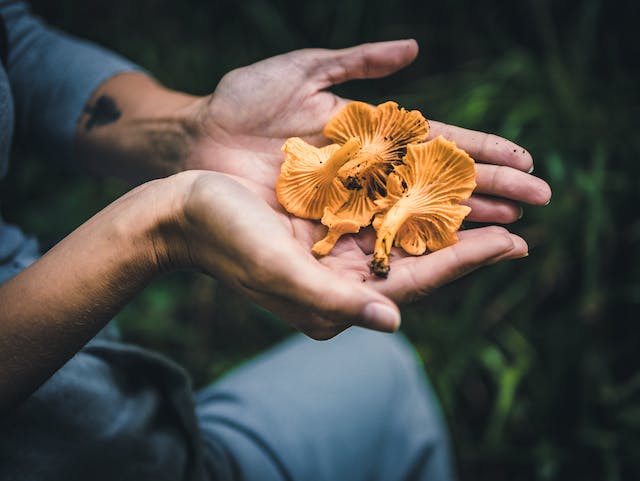
If you suspect you have accidentally consumed a poisonous mushroom, seek medical help without delay. Mushroom poisoning can sometimes lead to serious health problems. Symptoms of poisoning typically manifest as nausea, vomiting, abdominal pain, and diarrhea. Keeping a sample of the consumed mushroom can help your doctor determine the correct treatment.
Conclusion
Foraging mushrooms in the wild can be an enjoyable activity, but it must not be forgotten that this activity requires a certain level of knowledge and care. Poisonous mushrooms can cause serious health problems, so avoid collecting mushrooms you cannot identify and always stay cautious. Remember, when in any doubt, it is best to stay away from the mushroom and seek professional advice. In this short guide, you have learned how to safely recognize poisonous mushrooms and how to protect yourself from the dangers you may encounter in the wild. With this knowledge — which is critically important for your health — your nature hikes will become safer and more enjoyable!
Click for the healthiest and most reliable mushroom recipes!