
Ingredients for Potato Pilaf (Patatesli Pilav)
- 2 medium potatoes
- 2 water glasses (about 200 ml / 3/4 cup + 1 tbsp each) rice
- 3 tablespoons butter
- 1 tablespoon vegetable oil
- 2 water glasses water
How to Make Potato Pilaf (Patatesli Pilav)
Peel and wash 2 medium potatoes. Cut them into large cubes. Fry in hot oil until golden.
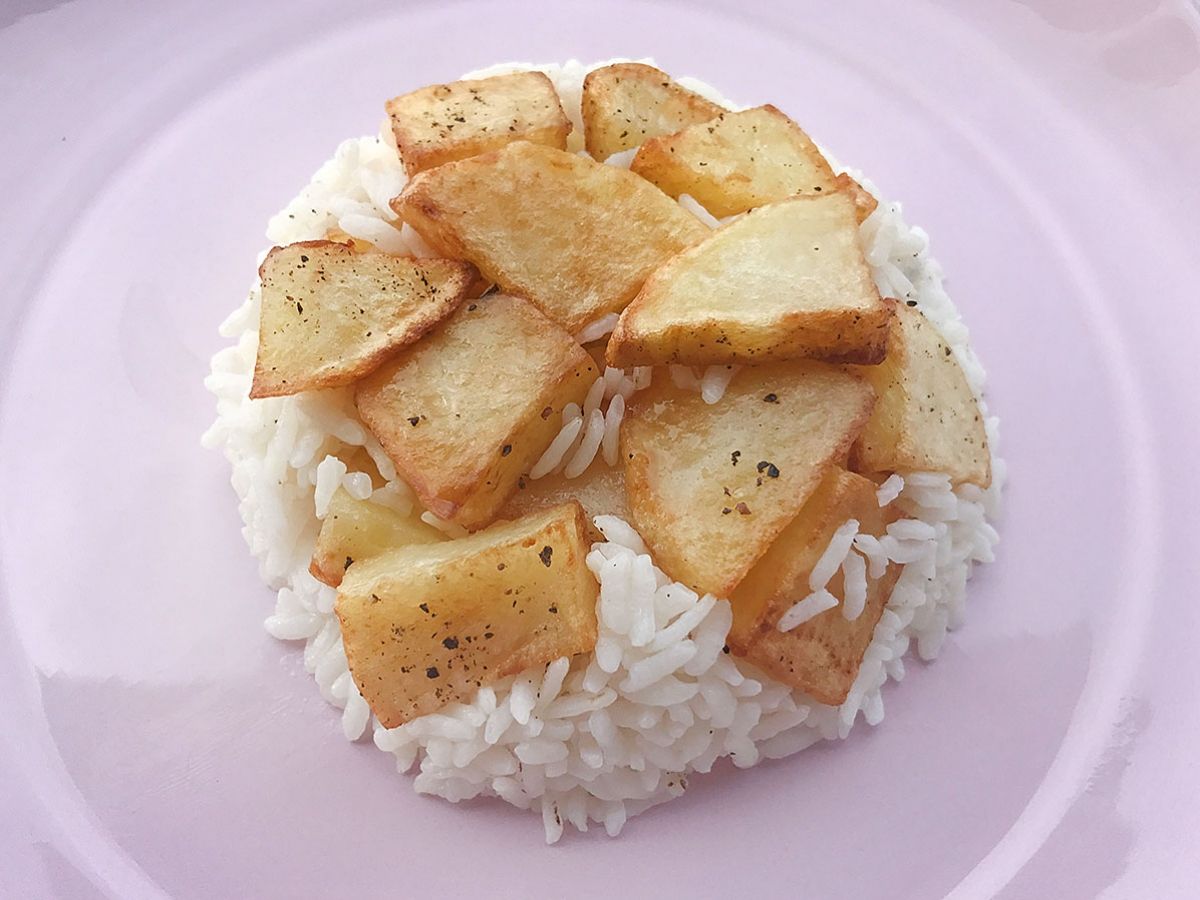
Sort and wash 2 water glasses of rice. Place in a bowl, cover with hot water until submerged, and let soak until the water cools. In a pilaf pot, melt 3 tablespoons of butter and 1 tablespoon of vegetable oil. Add 2 water glasses of water and bring to a boil, then add the drained rice and sprinkle with salt. Once it comes to a boil, reduce the heat and cook for 15 minutes. After cooking, add the fried potatoes on top, turn off the heat, and let it rest.
Pro Tip
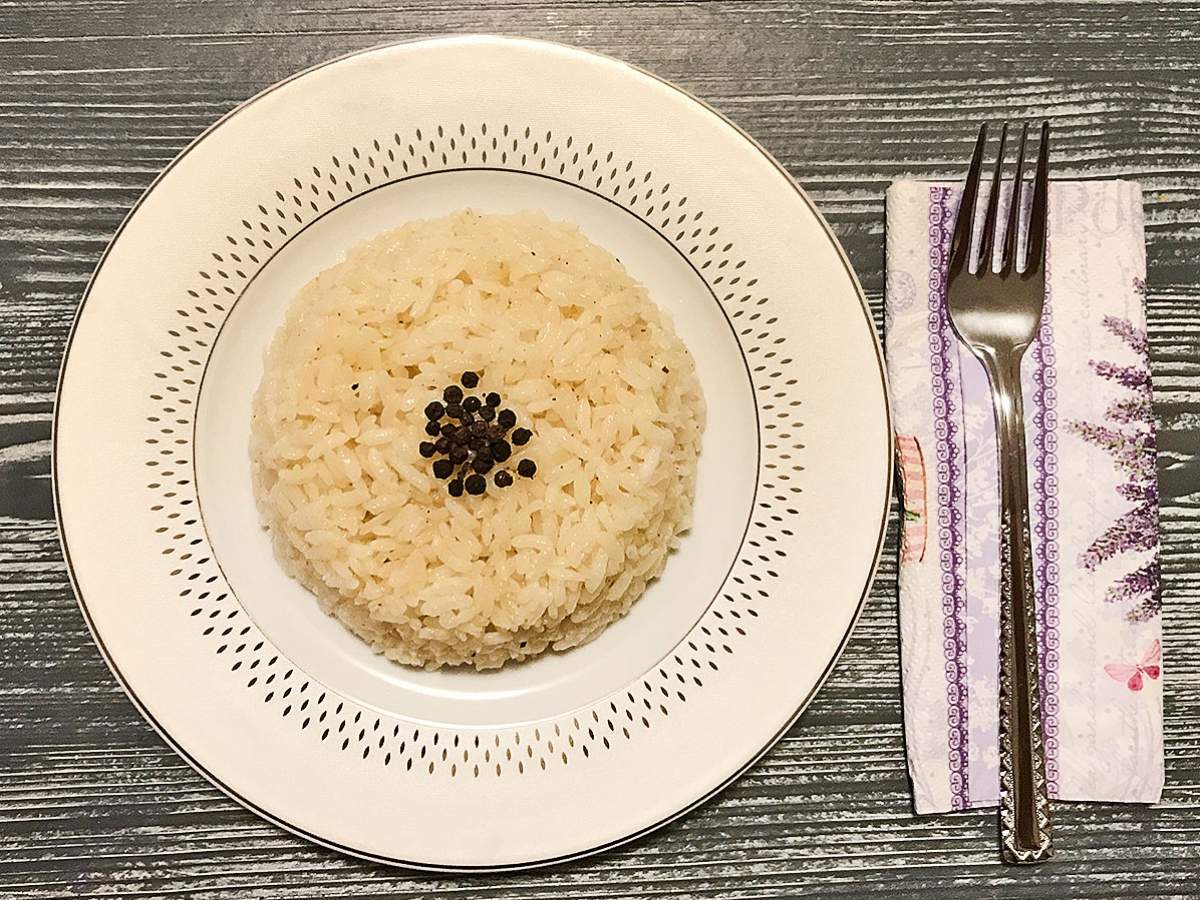
When serving, you can place some potatoes into a soup bowl first, then add the pilaf on top, and flip it upside down onto a serving plate.
About This Recipe
The potato was first harvested by the Incas in what is now Chile and Peru in South America around 1400 BC. The spread of the potato in Europe took place during the Thirty Years' War (1618–1648). Spanish soldiers returning from voyages of discovery to the Americas brought potatoes to Germany as horse feed. At the time, some of the poor population tasted potatoes for the first time by stealing or begging from the Spanish. However, not knowing how to consume them properly, they ate them raw without peeling, which caused severe digestive problems. In the wake of all this, the potato was condemned as a source of disease. Rumors even spread quickly that it caused deadly contagious illnesses such as the plague, cholera, typhoid, and leprosy. It was given only to animals as feed and to prisoners. Had it not been for the Germans' attitude, the potato might still be used only as animal feed today. Thankfully, it stayed with humans! During the Seven Years' War, French pharmacist Antoine-Augustin Parmentier, while a prisoner of war, managed to survive on potatoes alone. Upon returning to his country after being freed in 1763, he dedicated the rest of his life to promoting and vindicating the potato that had saved his life.
Potatoes are a fibrous food. They are a rich source of vitamins C and B6, and also contain iron. Consuming approximately 200–300 grams of potato per day can easily meet the body's daily vitamin C requirement. Recent studies have also proven that potatoes are a source of nitric acid and zinc. They are also believed to reduce the risk of breast cancer in women. They cleanse our blood of toxins from chemical waste such as air pollution and radiation, supporting cell regeneration. Boiling a potato, mashing it into a paste, and kneading it with olive oil creates a dough that is also believed to help with ailments such as burns, boils, and hemorrhoids.
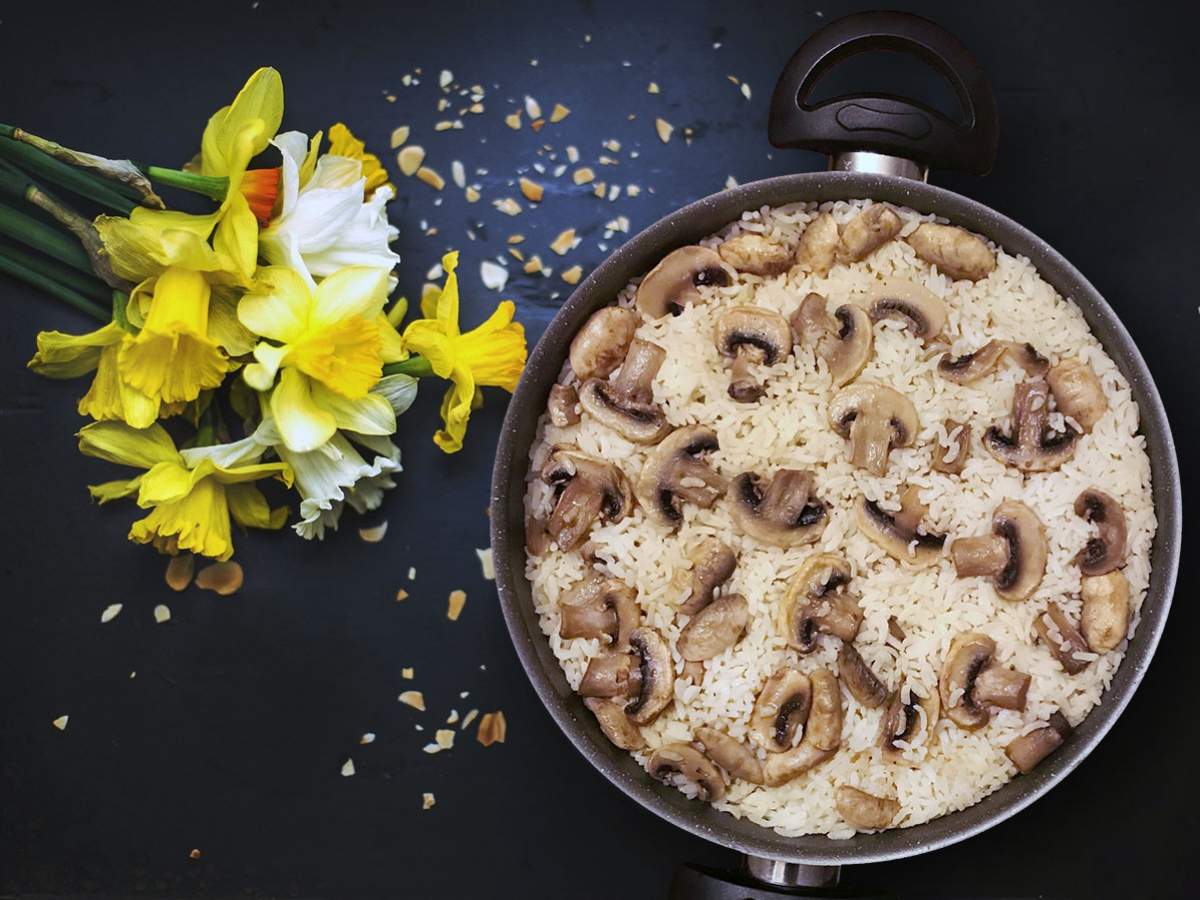
We can prepare and consume potatoes in almost every way imaginable. But have you ever tried them in a pilaf? Just like our Mushroom Pilaf recipe, our Potato Pilaf recipe turns expectations upside down. Enjoy your meal!