10 Brain-Boosting Foods for Kids
For families who want their children to thrive at school, Dietitian Meryem Berrin Ak shares nutrition recommendations to keep minds sharp and improve concentration.
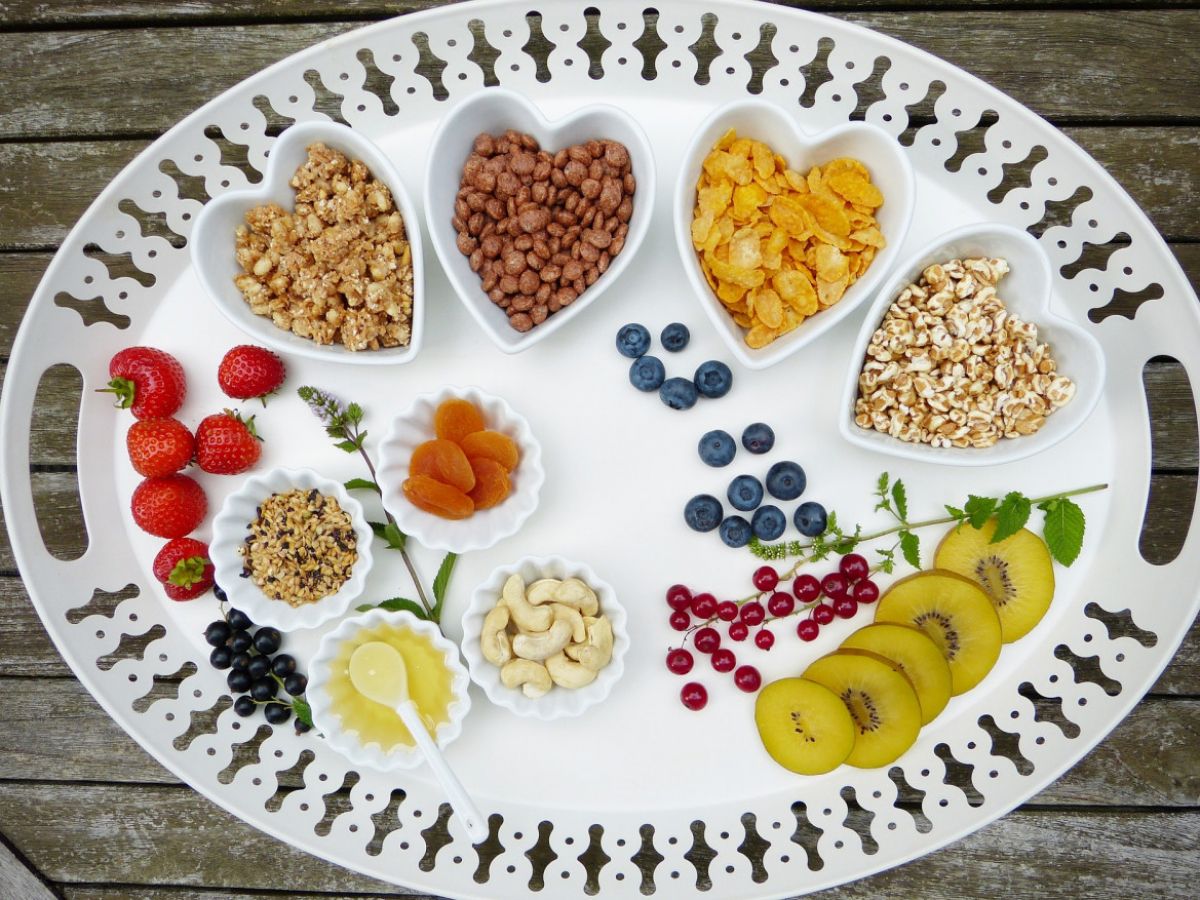

Breakfast is one of the most important meals of the day. Sending children to school without breakfast is directly linked to academic performance. Skipping breakfast can lead to headaches, fatigue, and lethargy, as well as a decline in attention and perception. Dietitian Meryem Berrin Ak from Nişantaşı Hospital highlights that children should never be sent to school without eating breakfast, and emphasizes the importance of developing a habit of eating regular meals and not skipping them.
Here are 10 brain-boosting food recommendations for children from Dietitian Meryem Berrin Ak:
1. Eggs: Eggs are an excellent source of protein, and the choline found in the yolk plays an important role in memory development. The vitamins A, D, and B found in eggs also have memory-strengthening properties. For this reason, 1 boiled egg or eggs prepared in different ways should be a daily staple at breakfast.

2. Fish: Oily fish contain DHA and EPA omega-3 fatty acids, which are fundamentally important for brain development and function. Since students whose diets are rich in these fatty acids are known to perform better on general aptitude tests, children should consume fish twice a week.
3. Nuts and Seeds: Nuts and seeds such as almonds, hazelnuts, walnuts, and peanuts play an important role in brain development and memory strengthening through their omega-3, omega-6, magnesium, and zinc content.
4. Whole Grains: Unrefined grains such as bulgur (cracked wheat) and oats are rich in fiber and B vitamins, which are especially beneficial for a healthy nervous system. They are also an excellent source of energy and are rich in potassium and zinc. These grains help with poor concentration and contribute to brain development.
5. Legumes: Legumes are a powerhouse of protein, complex carbohydrates, and fiber, and because they are packed with vitamins and minerals, eating them especially at lunch helps keep children's mental activity at a high level throughout the afternoon. Legumes also have a satiating effect and should be included in children's diets twice a week.

6. Strawberries, Blueberries, Blackberries, and Currants: This family of dark-colored fruits is high in antioxidants and rich in vitamins A and C. Research has shown that these fruits strengthen memory. These fruits should be added to children's lunchboxes and consumed as a snack.
7. Colorful Vegetables: Tomatoes, butternut squash, carrots, and spinach are antioxidant sources that give strength and health to brain cells. Vegetables that children don't particularly enjoy can be tried in different recipes to encourage consumption.
8. Dairy Products: In addition to containing vitamin D and calcium, dairy foods contribute to brain development by maintaining the flexibility of the brain membrane. For children who don't drink milk, yogurt, ayran (Turkish salted yogurt drink), kefir, or milk-based desserts can be preferred.

9. Meat: The iron found in meat is a mineral of fundamental importance for children's energy and concentration at school. Lean meat is one of the best sources of easily absorbable iron. Meat also contains zinc and certain B vitamins that support memory. For this reason, meat should be included in children's diets twice a week.
10. Turmeric: The curcumin pigment found in turmeric supports brain development. Turmeric is also effective in Alzheimer's, Parkinson's, and depressive conditions, and slows down cell aging. Some studies have shown that curcumin, the active compound in turmeric, is as effective as an antidepressant. Turmeric can be added to soups, salads, and vegetable dishes in desired amounts to suit personal taste.
Additionally, when the body is dehydrated, brain function can also be impaired. A dehydrated brain may struggle with memory. To support a healthy mind, children must be encouraged to develop the habit of drinking adequate amounts of water.