10 Easy Ways to Fight Insulin Resistance
What is insulin and what is insulin resistance? How can you cope with insulin resistance? Here are 10 easy tips to fight insulin resistance and protect your health.

What Is Insulin?
Insulin is a vital hormone produced in our pancreas that plays a key role in regulating our blood sugar levels. When our cells become resistant to insulin — meaning their sensitivity decreases — insulin cannot enter the cells and the amount of glucose in the blood begins to rise; this is called insulin resistance. Our pancreas then secretes more insulin to lower the high blood sugar level, which can over time exhaust the pancreas and cause it to fail.
If you are overweight, especially with excess fat around your abdomen, or if you have a family history of diabetes; if you find yourself saying "I watch what I eat, I exercise regularly, but I still can't lose weight!" — you may be at risk of insulin resistance. But don't worry — with the 10 easy tips I'll share with you, you can fight insulin resistance and protect your health.
1. PROTECT YOUR CELLS WITH REGULAR EXERCISE!
After a regular workout, you can achieve a sustained increase in insulin sensitivity lasting 2–48 hours. You don't need to spend hours at the gym for this. Research shows that moderate-paced 30-minute walks performed consistently for at least 1 week increase insulin sensitivity. You can also incorporate the World Health Organization's (WHO) daily recommendation of 10,000 steps into your life to both live a more active lifestyle and protect your cells from insulin resistance.

2. ABSOLUTELY ESSENTIAL: SLEEP
A good night's sleep is far more important than you might think. Irregular, insufficient, and poor-quality sleep weakens the immune system and paves the way for chronic diseases such as diabetes caused by insulin resistance. Small changes — like drinking a cup of chamomile tea before bed or keeping your bedroom dark — can help improve your sleep quality and, in turn, increase your insulin sensitivity.
3. STRESS IS A SERIOUS THREAT!
Stress raises the level of the hormone cortisol in our body, causing a rapid spike in blood sugar. In the long term, stress can lead to cardiovascular disease, obesity, and diabetes.
Regularly incorporating activities such as meditation, nature walks, and yoga into your life will reduce your stress and protect you from insulin resistance.
At the same time, foods you can include in your nutrition plan — such as bananas, dark chocolate, cantaloupe, and walnuts — will support the release of the happiness hormone serotonin and help reduce your stress.
4. INCREASE YOUR FIBER INTAKE
Fiber, found in many foods — especially plant-based ones — helps support a healthier digestive system while also keeping you feeling full for longer. In this way, a fiber-rich diet can help you balance your blood sugar and protect your body from insulin resistance.
We can look at fiber under two headings: soluble and insoluble fiber
Insoluble fiber primarily helps increase bowel movements, while soluble fiber supports the reduction of bad cholesterol, suppresses appetite, and encourages the growth of beneficial bacteria in your gut.
For example, simple steps like choosing whole-grain bread and consuming an average of 2–5 servings of vegetables and fruit per day (depending on your energy needs) will help increase your fiber intake. By adding foods such as legumes, oatmeal, dark leafy green vegetables, and flaxseed to your diet, you can eat in a way that is rich in soluble fiber.
5. COLORFUL FRUITS AND VEGETABLES
Colorful fruits and vegetables are foods with powerful antioxidant properties. In addition to their high antioxidant effects, the vitamins and minerals they contain protect your cell health and wage war against insulin resistance.
However, don't forget to pay attention to portion control when adding fruits and vegetables to your diet. Fructose — the sugar found in fruit — when consumed in excess, can cause fat accumulation in the abdominal area and lead to insulin resistance.
6. ENRICH YOUR MEALS WITH HERBS AND SPICES
The medicinal properties of herbs and spices were discovered long before fire was even invented, and their health-protective and health-supporting effects hold a very important place today.
Numerous academic studies have proven that foods such as turmeric, ginger, and garlic have positive effects on insulin sensitivity. Turmeric and ginger will strengthen your immune system and support your protection against insulin resistance.
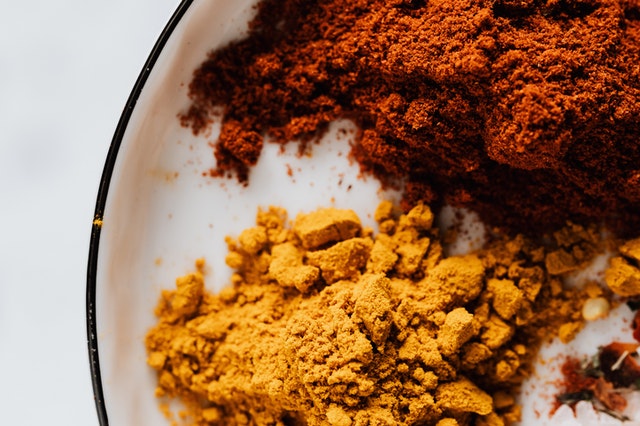
Mix 1 tablespoon of lemon zest, 20 g of ground ginger, and 20 g of ground turmeric together and place in a glass jar. Every night before bed, add a dessert spoon (about 2 tsp) of this mixture to a tea glass (about 100 ml / 1/3 cup + 1 tbsp) of yogurt and consume it in addition to your regular diet. This way, you can make the regular consumption of these wonderful spices a habit and protect yourself from insulin resistance.
7. A PINCH OF CINNAMON MAGIC
Consuming 1–3 teaspoons of cinnamon per day will help balance your blood sugar. In fact, some research suggests that cinnamon may mimic insulin. Starting your day with 1 cinnamon stick and 2–3 apple slices placed in a glass of water, you will notice both a reduction in stomach complaints and a more balanced blood sugar level. This will make it much easier to protect yourself against the risk of insulin resistance.
8. GREEN TEA IS A MUST
Green tea is an excellent choice for people at risk of diabetes. The compounds found in green tea help toxins be eliminated from the body more quickly, balance your blood sugar, and strengthen your immune system. But watch the quantity! Because excessive consumption of green tea — which contains nearly half the caffeine of a coffee cup (about 80 ml / 1/3 cup) — can lead to sleep disruption and hypertension. By making an effort to drink 2–3 cups of green tea per day, you can both protect your health and increase your insulin sensitivity.

9. BALANCE YOUR CARBOHYDRATE INTAKE
Carbohydrates are essential for our body. 55–60% of our daily energy intake should come from carbohydrates. However, the quality and quantity of the carbohydrates you consume are just as important as their source. Including low glycemic index foods in your diet will help you balance your blood sugar and stay full for longer.
The glycemic index is a method developed to measure the effect of carbohydrates on blood glucose levels. High glycemic index foods cause your blood sugar to rise more quickly and trigger hunger sooner by causing sudden fluctuations in your blood sugar. For this reason, you should make an effort to consume low glycemic index (GI) carbohydrate sources in your diet, such as sweet potatoes, brown rice, quinoa, oatmeal, and whole-grain bread.
10. SAY GOODBYE TO REFINED SUGAR
Refined sugar is an empty energy source. That is, consuming refined sugar provides you with no nutritional support beyond energy gain. Furthermore, consuming refined sugar will also cause sudden fluctuations in blood sugar and, when consumed in excess, will decrease insulin sensitivity.
So, how can you reduce refined sugar consumption in your daily life?
- If you can't drink your tea without sugar, you can opt for stevia-based natural sweeteners instead.
- Dairy products hold an important place in your diet; however, consuming fruit-flavored milk, yogurt, kefir, etc. with added sugar also increases energy intake. For this reason, you can choose plain dairy products instead of those with added sugar, or sweeten them by adding fresh or dried fruit — which will also significantly increase your intake of vitamins, minerals, and fiber from the fruit.
- When you crave something sweet, instead of processed foods containing refined sugar, you can consume dried fruit or nut bars with no added sugar — or make them yourself at home.
- When consuming breakfast cereals and ready-made diet products, always remember to check the sugar content on the label.