Which Soups Benefit You and How?
Don't overlook soup — discover how this nourishing dish can have powerful effects on your body when made with the right ingredients. Here are the key tips for preparing a truly healthy soup.


In these days when our battle against illness and cold is at its peak, soup is the indispensable staple of winter — one of the most treasured dishes on our table! I'll first share the key tips for preparing a healthy soup, then walk you through the soups you should definitely be eating this winter and the benefits they offer. Don't skip on soup — it helps with weight management and, since it takes up more volume in the stomach, it helps you feel full more easily!
Things to Keep in Mind When Preparing a Healthy Soup:
- Be careful not to use too much fat when preparing your soup. Remember, the butter or oil you fry and drizzle on top after the soup is ready can end up doing more harm than good.
- Make sure your soup is nutritious! Since soup is an easy-to-eat food, it's something the whole household will likely love and choose often. Since everyone is happy to consume it, you should take care to make it as nutritious as possible.
So how do we make our soups more nutritious?
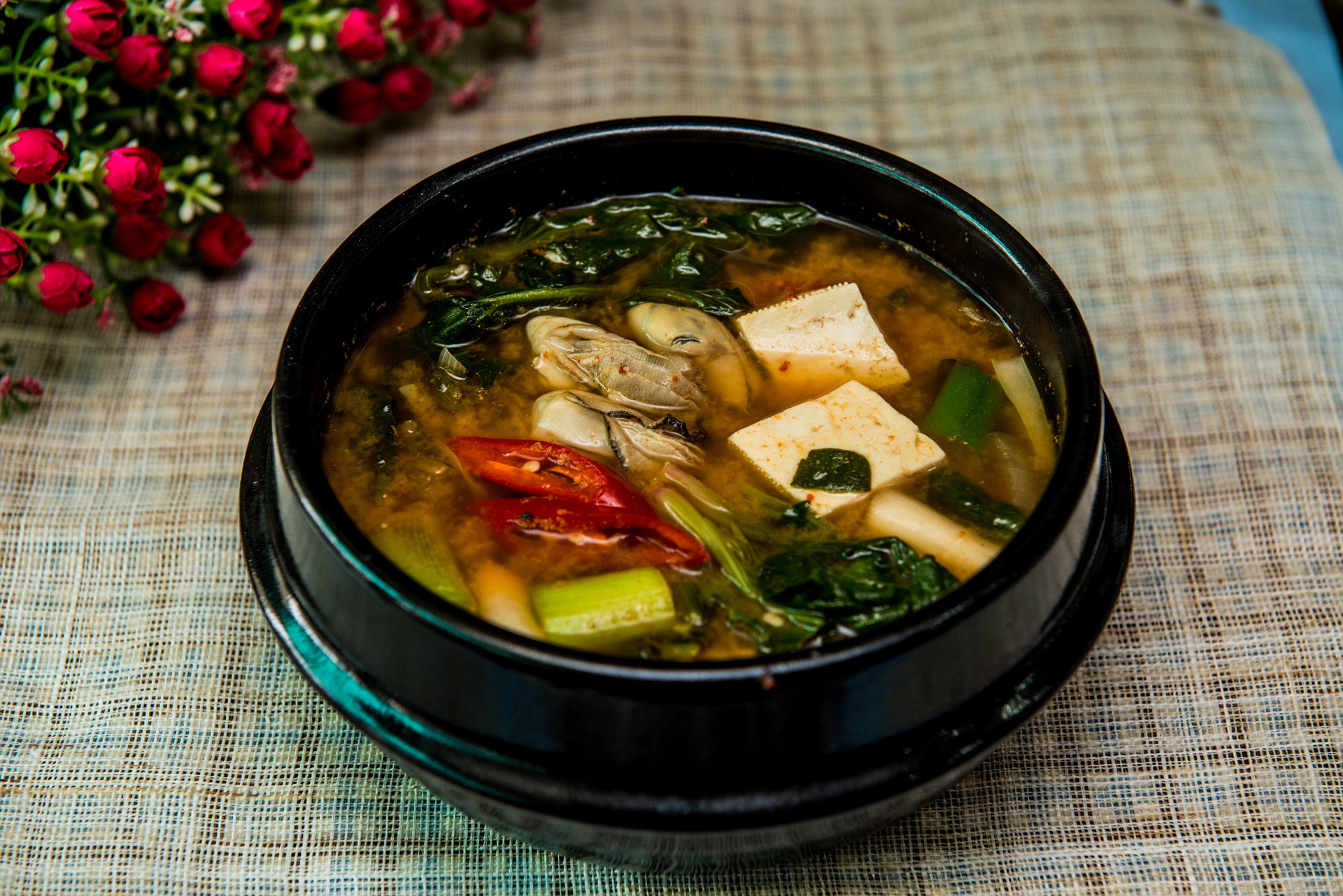
By filling them with foods that are high in nutrient density, of course! Take care that your soup isn't made up of just the quartet of oil, flour, salça (Turkish tomato/pepper paste), and water. You can boost the nutritional value of your soup and develop brand-new recipes by adding ingredients like brown rice, chickpeas, bulgur (cracked wheat), and lentils.
- Stop adding high-fat broths like beef stock or chicken stock to your soup. The classic old practice of trying to increase a soup's nutritional value by adding meat or chicken broth unfortunately doesn't achieve its goal. Meat and chicken broths have very little nutritional value yet are quite high in fat and calories — you should drop this habit as soon as possible. I can almost hear you asking what we should put in our soups instead. Perhaps it's time to break with tradition and consider alternatives like vegetable broth. This way, you can prepare a low-calorie, nutritious soup while benefiting from the vitamins and minerals found in vegetables. For those who enjoy the aroma of meat, chicken, or ground meat in their soup, using small pieces of meat, chicken, or ground meat instead of broth is both a healthier and more nutritious approach.
- Say no to excess flour and heavy cream in soups! When you prepare your soups with lots of flour and cream, you're only piling on more calories. Instead of floury, cream-laden soups, try making soups with legumes, bulgur (cracked wheat), or small pieces of meat, chicken, or ground meat — you'll find something that suits your palate while avoiding unnecessary calorie intake and ending up with a more nutritious bowl.
Which Soups Benefit You and How?
Do you know what benefits the delicious soups of Turkish cuisine provide? If not, with this article you'll learn the advantages of the soups we regularly enjoy — and you'll start eating them with even more pleasure.
Tarhana Soup (Fermented Grain-Yogurt Soup): I'd say don't let tarhana soup be missing from your table — it's rich in B-group vitamins and has a high protein content! When you consume this soup, which is rich in calcium, iron, and zinc, on a regular basis, you won't believe how much your immunity strengthens! Thanks to its high fiber content, tarhana soup also helps regulate digestion and may help prevent a range of conditions from high cholesterol to colon cancer. However, those with cow's milk allergy or lactose intolerance should be careful! Since tarhana contains yogurt, consuming it may cause digestive discomfort and bloating for these individuals.
Yayla Soup (Yogurt and Rice Soup): The probiotic effect of yogurt is well known! But when a little rice and mint join it to create the wonderful Yayla Soup, it earns its rightful place among the staples of the table. Thanks to its probiotic content, yogurt helps strengthen immunity, and its high protein content helps you stay full for longer and keep you energized throughout the day. Since Yayla Soup contains both protein and carbohydrates, it can also help promote feelings of fullness and assist with weight management. The mint in this soup helps prevent problems like indigestion, and you can create a different flavor by replacing the rice with chickpeas or bulgur (cracked wheat).
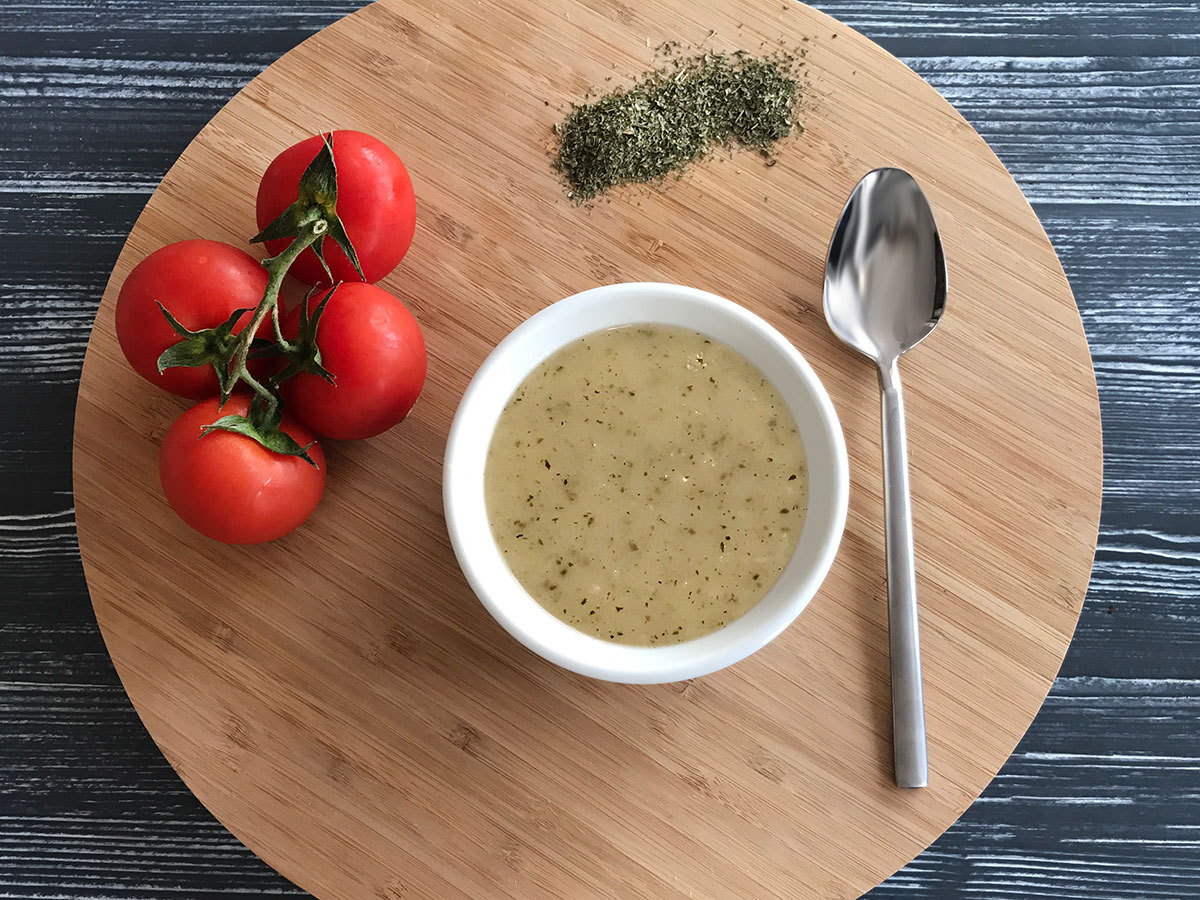
Ezogelin Soup (Red Lentil and Bulgur Soup): Here's a wonderfully tasty winter soup packed with legumes! The high protein and fiber content of legumes is no secret. With that in mind, this soup emerges as one that is rich in B-group vitamins, aids digestion, keeps you full, helps balance blood sugar, and fights cancer. My recommendation for this winter is to make sure you eat this legume-rich soup. To boost your resistance, you can add 1 teaspoon of ginger or turmeric to it.
Vegetable Soup: Imagine a soup that keeps you full with its high fiber content while being virtually calorie-free. This kind of soup is no fantasy! By using whatever vegetables you like, you can prepare a soup that is rich in vitamins and minerals yet low in calories! After boiling your chosen vegetables, blend them and add water until you reach your desired consistency — this soup will support your immune system with its rich vitamin and mineral content while also helping you deal with digestive issues thanks to its high fiber content!
Lentil Soup (Mercimek Çorbası): You simply can't leave lentils — the king of legumes — off your table. This magnificent soup, rich in vitamins and minerals such as copper, zinc, phosphorus, manganese, and iron, doesn't just support your immunity; it also helps relieve fatigue and makes you feel more energetic. If you want to stay fit and healthy this winter, don't neglect to include lentil soup in your diet!