10 Miracle Foods for Brain Health
We watch what we eat for our overall health — but some foods are too important to leave off your plate. We've rounded up the miracle foods that are essential for brain health. Read on…

The brain is undoubtedly the most important organ in our body. But how well do we actually take care of it? The truth is, it's quite simple. By regularly incorporating certain foods into our lives, we can nourish our brain and enjoy a healthy mind as we age. Here are some of the foods you should be consuming for brain health…
Spinach
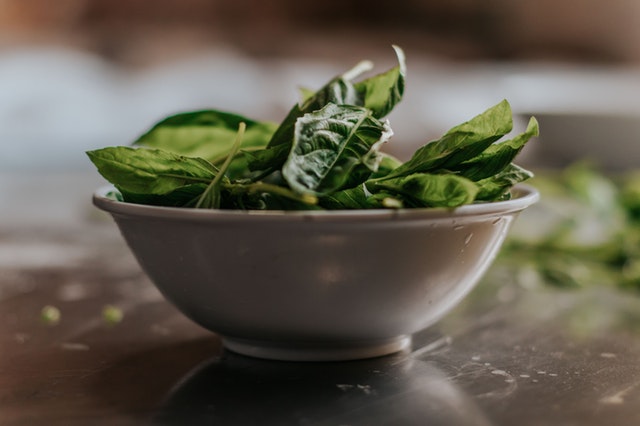
As we age, a slowdown — and in some cases a complete loss — of bodily functions becomes apparent. Brain and nervous system functions in particular begin to dull with age. However, in people who regularly consume spinach, brain functions and mental activities remain consistently active and sharp. This is due to the folate and vitamins C and K found abundantly in spinach. These minerals and vitamins keep hormone production within the nervous system continuously active.
Whole Grains
Grains contain dietary fiber, iron, magnesium, selenium, and B vitamins (thiamine, riboflavin, niacin, and folate). B vitamins in particular help improve the functions of the nervous system and brain. Regularly consuming whole grain foods is ideal for maintaining focus and concentration.

Broccoli
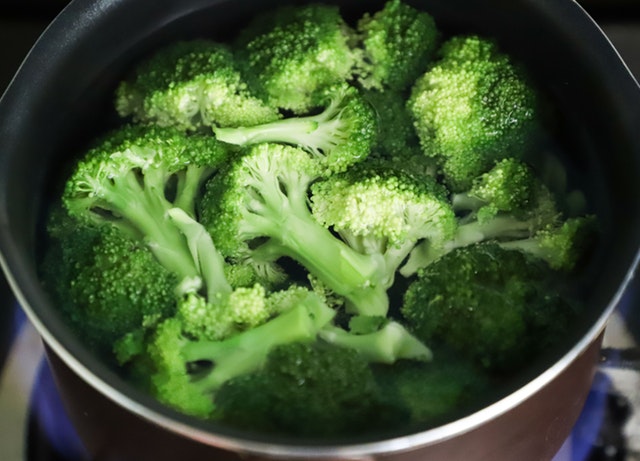
Experts say that thanks to the compound sulforaphane found in broccoli, people may be able to protect themselves from stroke and Alzheimer's disease. Broccoli also contains vitamin K, which enhances cognitive function and boosts brain power. It is furthermore a true powerhouse of B vitamins, which strengthen the mind and improve memory.
Fish
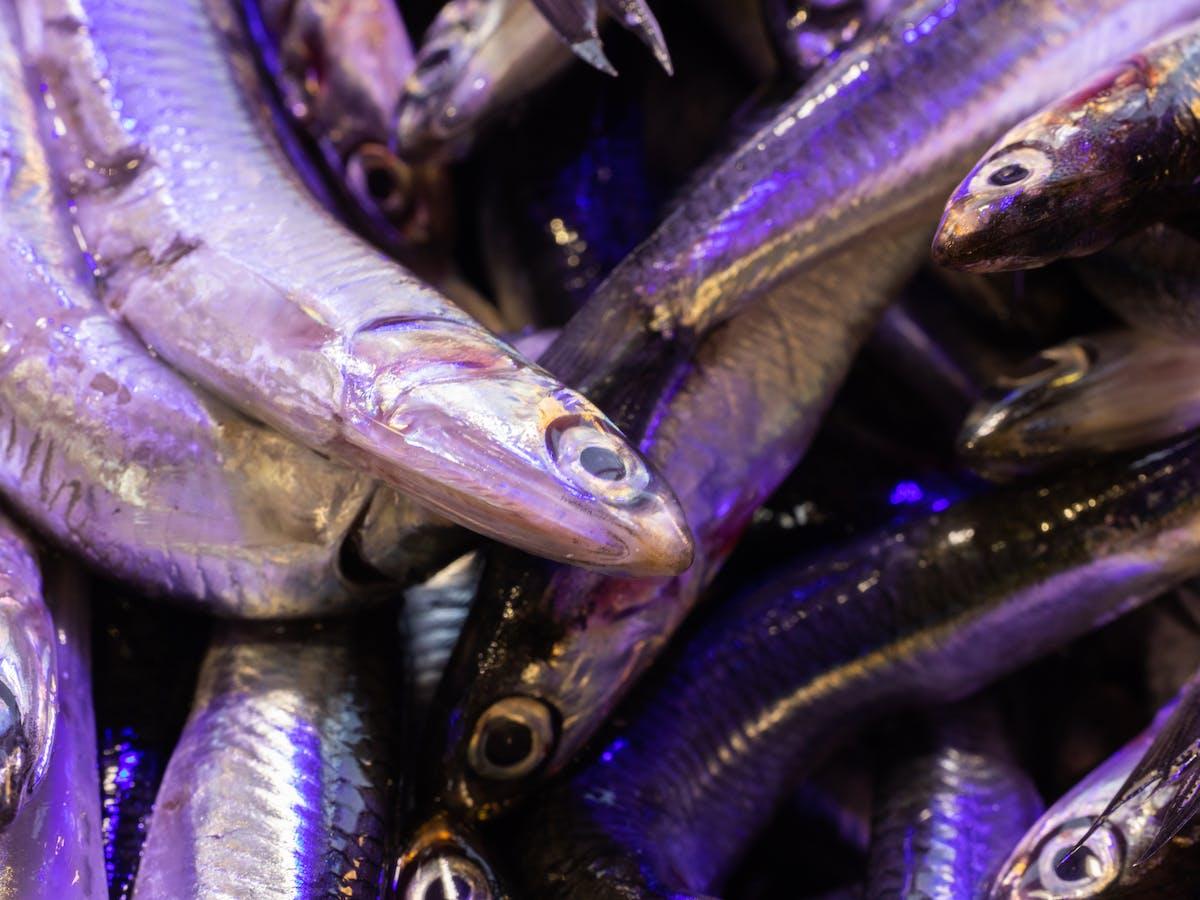
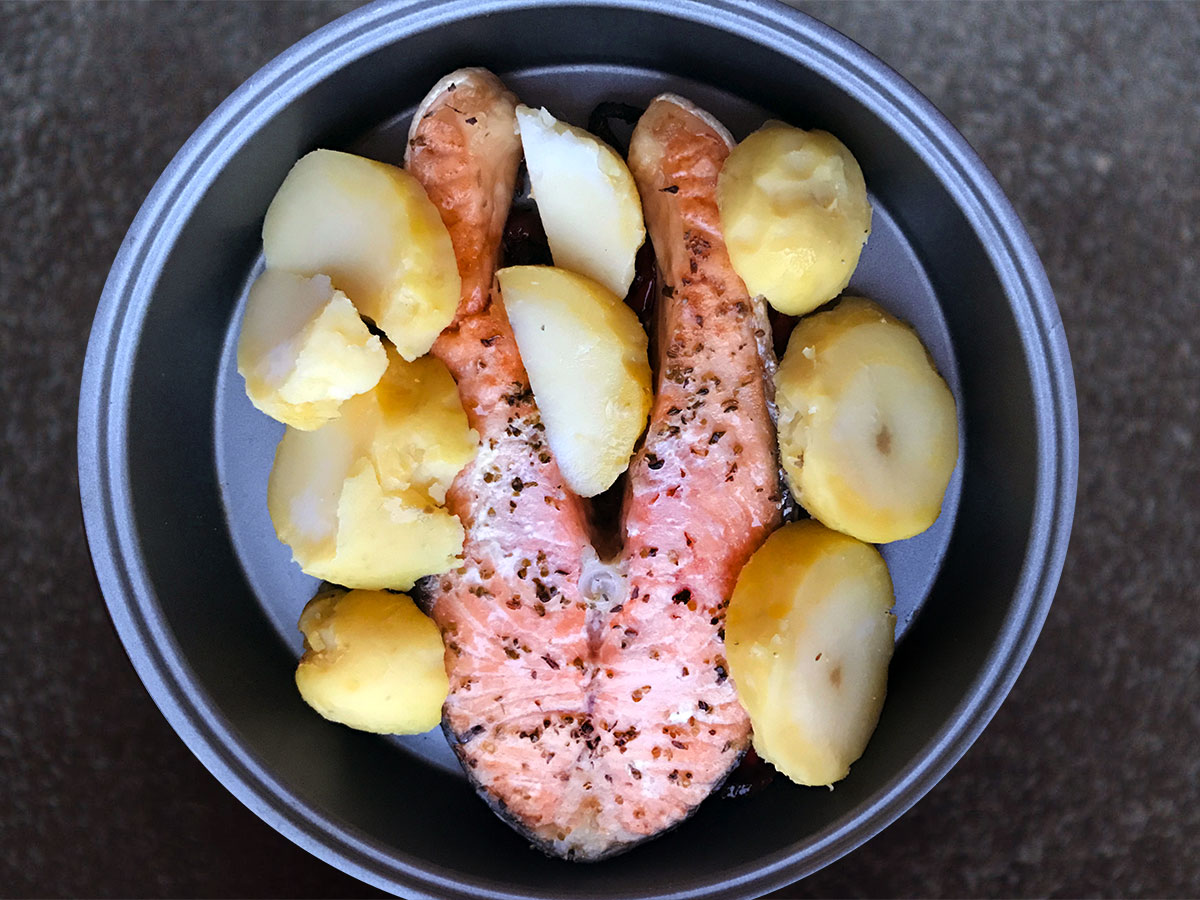
Fish, a source of high biological value protein and essential amino acids, positively influences brain development through the omega-3 polyunsaturated fatty acids it contains. Fish is especially important during the first 0–3 years of life — beginning in the womb — when brain development is at its fastest. For this reason, it is known that the fish consumed by expectant mothers from pregnancy onward, and by babies starting complementary feeding from the 7th month onward, positively affects brain development. Among fish, salmon in particular is one that should be consumed regularly, as it contains high levels of omega-3 and vitamin B12. For brain health, we're leaving our Baked Salmon with Potatoes recipe right here. Enjoy and be well…
Walnuts
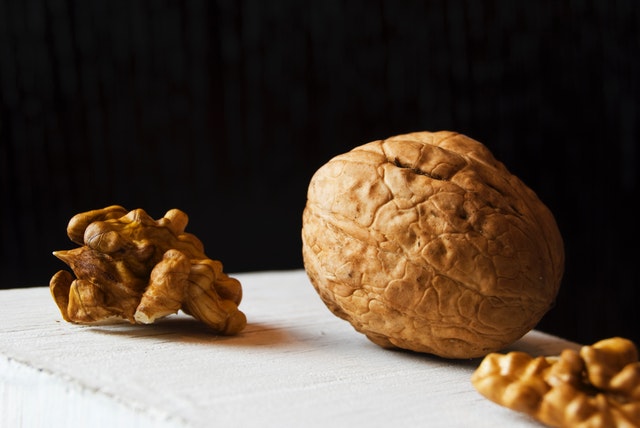
Rich in polyunsaturated fatty acids including omega-3, omega-6, and other phytochemicals, walnuts are an especially beneficial food for brain health. Walnuts possess antioxidant properties and are also a great source of vitamin E. It is known that walnuts reduce the risk of developing Alzheimer's disease and protect brain cells thanks to the bioactive compounds they contain.
Olive Oil
Extra virgin olive oil, which we begin receiving even in the womb, supports brain and nervous system development in infancy, while slowing the effects of aging on brain function as we grow older. Olive oil helps combat cognitive decline that appears with age. It also helps prevent dementia and Alzheimer's disease caused by inflammation, oxidative stress, and toxicity in the brain.

Legumes
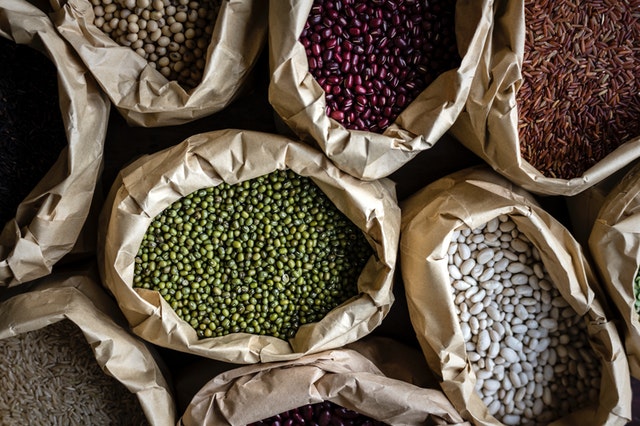
Legumes are foods that are extremely rich in fiber, protein, and antioxidants. In particular, legumes such as peas, lentils, and beans will be an important choice for brain health thanks to their high protein content.
Cacao
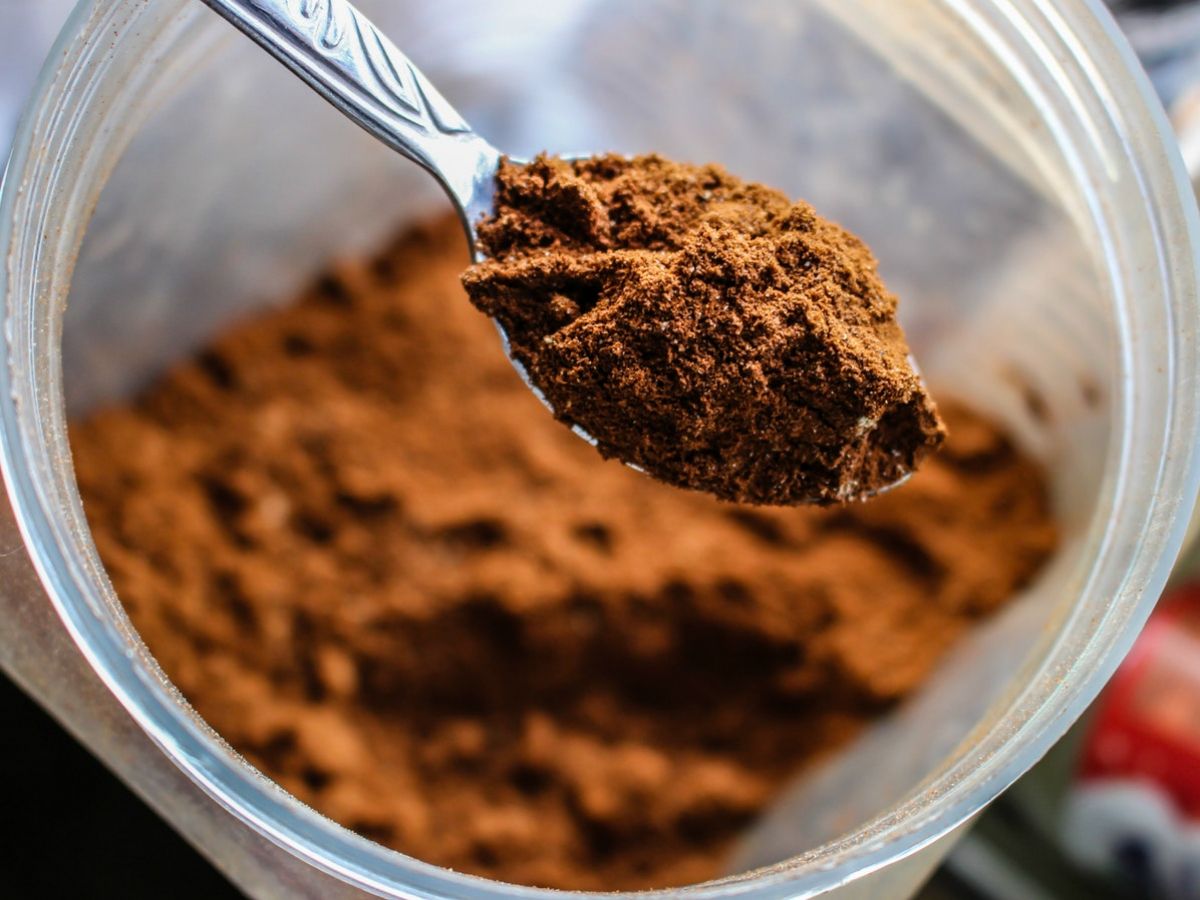
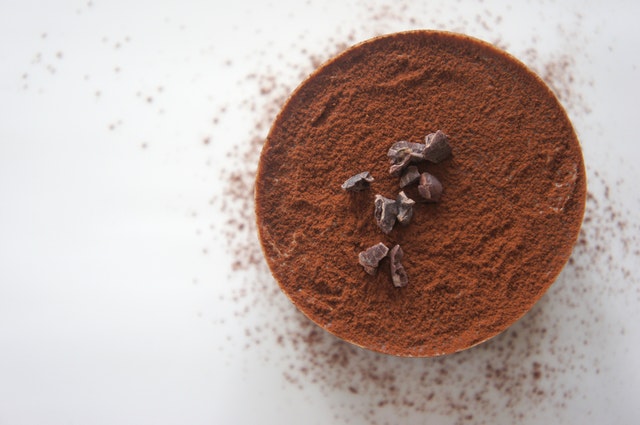
Cacao speeds up blood flow, allowing more oxygen to reach the brain. Thanks to epicatechin — a flavanol compound found in cacao — brain function is carried out more swiftly. It also helps reduce memory problems.
Water
For a healthy brain, it is essential to drink at least 8 glasses of water every day. Water is the single most important element for keeping the brain healthy, fresh, and active. Life without water is impossible. Don't leave your brain dehydrated.

Blueberries
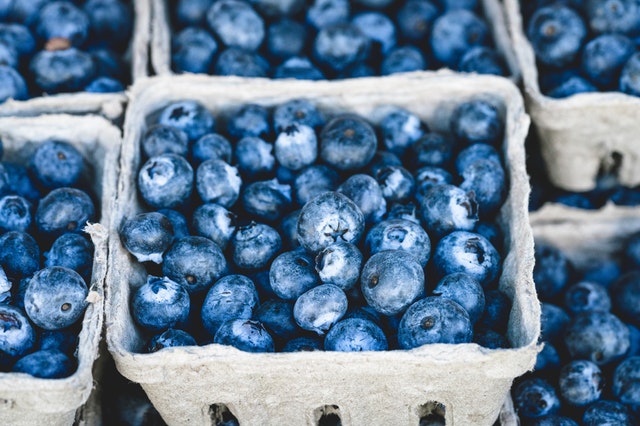
It has been proven that regularly consuming blueberries every day significantly slows the motor coordination and memory-related impairments that are a natural consequence of aging. Blueberries are a food extremely rich in flavonoids, which have antioxidant and anti-inflammatory properties. They also contain important nutrients such as vitamins A, B, and C, anthocyanins, selenium, magnesium, phosphorus, copper, and zinc. Blueberries strengthen memory by protecting brain cells and nerves. Children who regularly consume blueberries show an increase in learning capacity.
We wish you healthy days…