12 Superfoods for New Mothers
Eating nutrient-rich foods throughout the day will help maximize your energy as a new mother. Here are 12 superfoods for new moms!

Losing the weight you gained during pregnancy may be on your mind. But once your baby arrives, you'll find that your body has more important things to take care of. Routinely eating nutrient-dense foods throughout the day will help maximize your energy levels as a new mother. Regardless of your food choices, breast milk composition stays roughly the same on average — but if you're not consuming enough nutrients to meet your daily needs, your body will draw from its own reserves. That means you need to make sure both you and your baby are getting everything you need.
If you make an effort to incorporate nutrient-rich foods into your diet, both your baby and your body will thank you.
Salmon
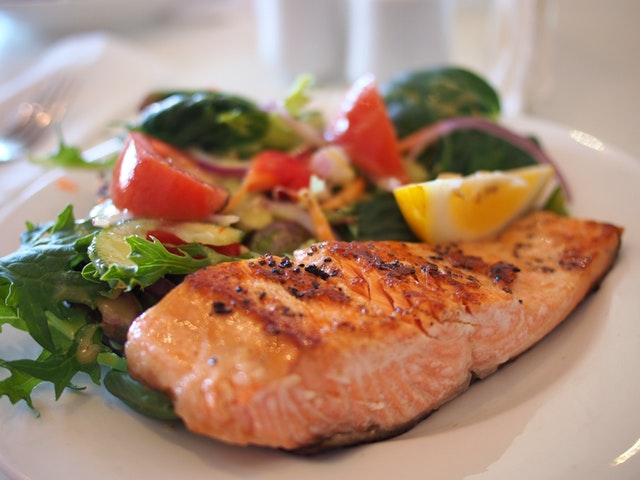
There is no such thing as a perfect food. But when it comes to powerful nutrition for new mothers, salmon comes very close. Like other fatty fish, salmon is rich in a type of fat called DHA, which is essential for the development of your baby's nervous system. All breast milk contains DHA, but if you also include it in your diet, the amount in your breast milk will increase.
The DHA in salmon also helps improve your mood. Studies have found that it plays a role in preventing postpartum depression.
CAUTION!! The FDA has set a limit for salmon consumption during pregnancy and breastfeeding. This is equivalent to 2 servings per week. The reason is to limit mercury intake that comes along with fish. Salmon is recommended because its mercury level is considered low and it is rich in other nutrients, but fish with high mercury content such as swordfish and mackerel should be avoided.
Low-fat dairy products
If you want to have a healthy breastfeeding period, you should make foods like milk, yogurt, and cheese a part of your diet. In addition to protein, they are an important source of vitamins B and D, and calcium. If you are breastfeeding, your milk is loaded with calcium to support your baby's bone development. It is also important to consume enough dairy to meet your own needs. Don't forget to add 3 glasses of milk to your daily diet.
Lean beef
Consuming iron-rich foods such as lean beef is excellent for boosting energy in new mothers. When iron is deficient, it can be difficult to meet a newborn's needs and maintain energy levels. Mothers also need extra protein and vitamin B12. Lean beef is a great source of both.
Legumes
Iron-rich beans — especially dark-colored ones like black beans and kidney beans — contain high-quality protein from non-animal sources. They are a wonderful food especially for vegetarian breastfeeding mothers.
Blueberries
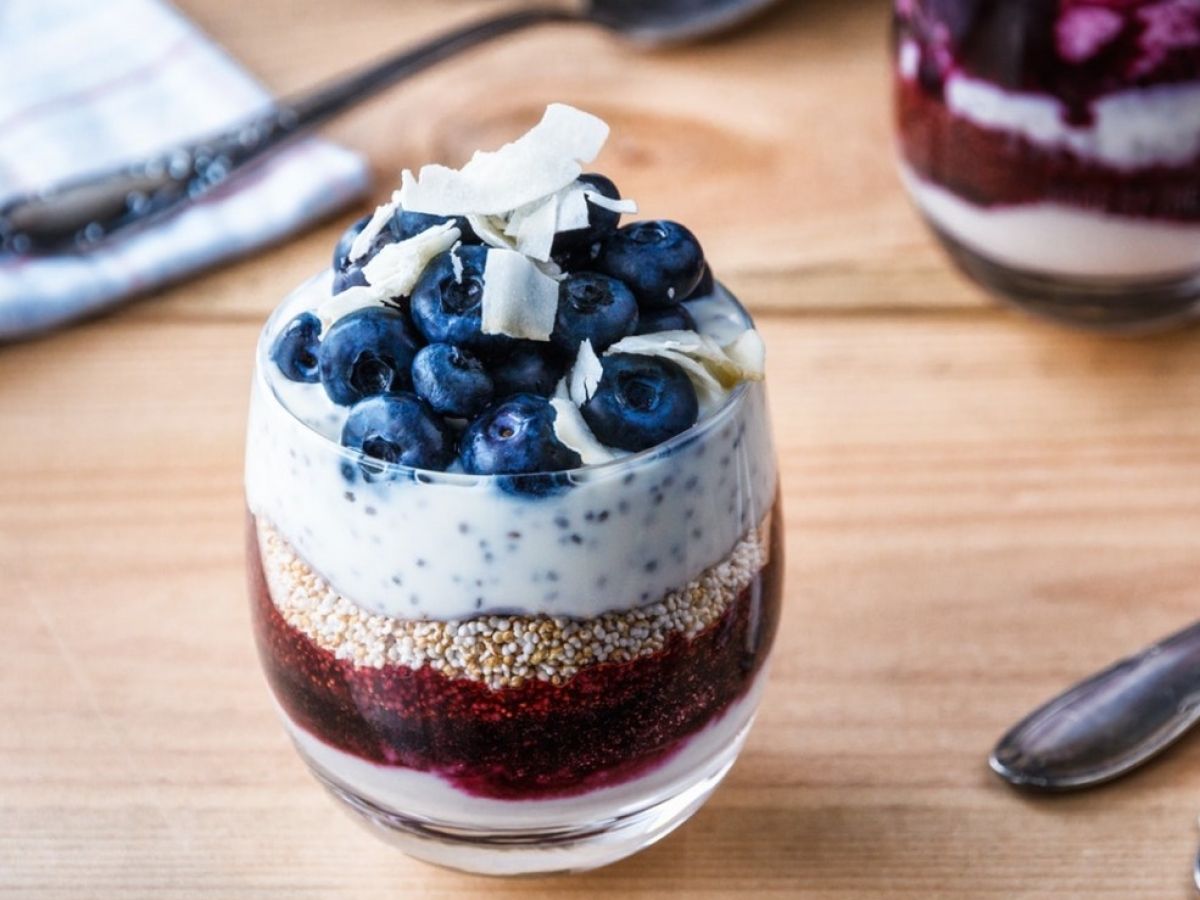
Breastfeeding mothers should make sure they get at least two servings per day from fruit, freshly squeezed fruit juice, or compotes made with fresh fruit and no added sugar. Blueberries, which are especially rich in antioxidants, are a fantastic choice for meeting these needs. These satisfying and delicious fruits are packed with the vitamins and minerals you need and provide a healthy dose of carbohydrates that help boost your energy levels.
Advertisement
Brown rice
Cutting back on carbohydrates in your daily diet can cause your baby to lose weight. Stay away from low-carb diets to lose weight quickly during this period! Losing weight too fast can lead to reduced milk production, lethargy, and fatigue. To keep your energy levels adequate, you should include whole-grain foods like brown rice in your diet. Foods like brown rice provide you with the energy you need to produce higher-quality milk for your baby.
Oranges
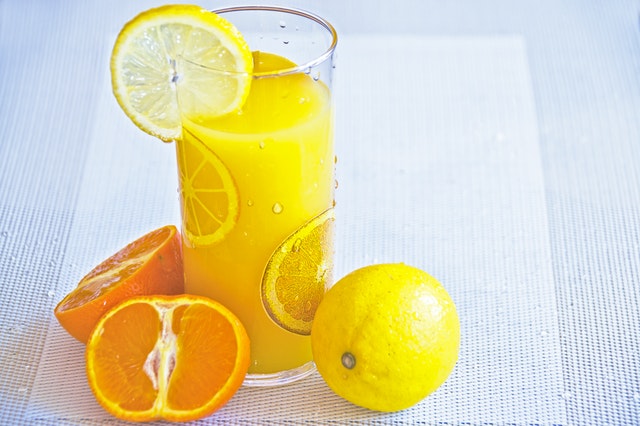
Portable and nutritious, oranges are a wonderful energy-boosting food for new mothers. Since breastfeeding women need more vitamin C than pregnant women, oranges and other citrus fruits are ideal foods for nursing mothers. Can't find time for a snack? You can sip freshly squeezed orange juice throughout the day — and if you want to get even more out of the vitamin C, you can pair it with foods high in calcium.
Eggs
Egg yolks, one of the natural sources of vitamin D, are an important food for keeping bones strong and supporting your baby's bone development. They should also be included in your diet to help meet your daily protein needs. Scrambling a few eggs for breakfast, adding boiled eggs to your salad at lunch, or making an omelet are both practical and satisfying options. Be sure to include eggs in your daily diet to increase essential fatty acids like DHA in your breast milk.
Whole-grain bread
Folic acid is very important for your baby's development in the early stages of pregnancy — but its importance doesn't stop there. Folic acid is a key component of breast milk, the most vital nutrition for your baby's health, and so it should be consumed in adequate amounts. Fortified whole-grain bread and pasta are enriched with this wonderful nutrient and also contain a healthy dose of fiber and iron.
Leafy green vegetables
Leafy greens such as spinach, broccoli, and Swiss chard are a great source of vitamin A for both you and your baby. Their benefits don't end there. They are also a non-dairy source of calcium, vitamin C, and iron. Green vegetables are packed with antioxidants that are good for heart health, low in calories, and delicious to load up on.
Advertisement
Whole grains
One of the best options for new mothers to boost their energy after a sleepless night is to have a breakfast that includes whole-grain cereals. Many cereals are fortified with nutrients and vitamins to help meet daily requirements for essential vitamins. For a healthy and delicious breakfast, you can combine oatmeal, wheat germ, and blueberries in a serving of milk.
Water
Dehydration is an important risk factor, especially for breastfeeding mothers. You need to make sure you are drinking enough water to maintain adequate energy levels and milk production. You can vary your options and meet some of your fluid needs through fruit juice and milk, but be careful when consuming caffeinated drinks like tea and coffee. Do not consume more than 2–3 cups per day, or choose decaffeinated varieties. This is because caffeine affects breast milk and can cause your baby to become fussy and sleep poorly.
Specialist Dietitian Merve TIĞLI ÇINAR