20 Habits That Are Making You Gain Weight
One of the most common misconceptions is that "eating fat makes you fat." But that's actually wrong! Not all fatty foods will make you gain weight. Here are 20 habits that are causing you to gain weight...


Wrong! Not all fatty foods will make you gain weight — calories from carbohydrates are also stored as fat, and many low-fat or fat-free versions of foods contain just as many calories as their full-fat counterparts, because chemicals and sugar have been added to them. Since the "eat less fat" craze that started about 30 years ago, obesity rates have doubled, which shows that this nutritional approach has been a failure.
The old "eat less fat" habit needs to transform into an "eat light, stay light" habit — and all you need to do is change your routines.
1 – Diet products are not entirely innocent!
First of all, low-fat and fat-free foods on store shelves should come with a label that reads: "Not calorie-free — do not consume without limits!" When shopping, take care to choose not only low-fat products, but also those with lower carbohydrates and therefore fewer calories. One study found that foods containing 43% carbohydrates affected blood sugar less than those containing 55% carbohydrates. This translates to less fat storage and reduced food consumption.
2 – Get the sleep you need!
According to research, people who sleep fewer than 5 hours per night see their waistlines expand 2.5 times faster over the course of a year compared to periods when they sleep more than 5 hours. Additionally, individuals who sleep more than 8 hours have been found to be less physically active and therefore more prone to weight gain. The optimal amount of nighttime sleep for weight management is 7 hours.

3 – Follow dietary recommendations!
By reading this article, you've already taken the first step toward building new habits to shed excess weight. Studies have found that 1,000 people given diet and exercise advice began choosing healthier foods and incorporating more physical activity into their daily routines as a result.
4 – Don't fall for appetizers!
Crackers, biscuits, and chips may be offered to you as complimentary snacks at some restaurants — but that doesn't mean they're calorie-free. Each one of these adds an average of 150 calories to your meal. Eating 3 servings over the course of dinner means 450 calories, which translates to roughly 2 kg (about 4.5 lbs) added to your body each month.
5 – Stay away from carbonated drinks!
A 2005 study found that people who drink 1–2 carbonated beverages per day have a 33% higher risk of obesity. Another study found that people who drink 1–2 diet sodas per day see their waistlines grow 5 times faster. The artificial sweeteners in diet sodas trigger appetite at the next meal.
6 – Don't skip meals!
A 2011 study found that 17% of Americans skip meals. When the skipped meal is breakfast, the risk of obesity is even greater. Another study found that individuals who skip breakfast are 4.5 times more likely to become obese. The reason is that skipping meals slows down your metabolism and increases your hunger, which causes your body to store fat and leads you to eat more at the next meal.
7 – Savor your food!
It takes 20 minutes for your stomach to send a signal to your brain that you are full. A study by the American Dietetic Association found that slow eaters consume 66 fewer calories per meal than their fast-eating peers. Does 66 calories sound small? Those 66 calories mean adding 9 kg (about 20 lbs) to your body every year!

8 – Don't watch too much television!
A study by the University of Vermont found that overweight individuals burned 119 more calories when they reduced their television viewing by 50%. This automatically translates to a loss of 12 kg (about 26 lbs) per year. Furthermore, when you cut back on screen time, your capacity to do other things increases, maximizing your calorie-burning effect — and keeping your hands busy with chores like laundry or cooking will further reduce your relationship with snacking.
9 – Avoid combo meals!
A study by the Journal of Public Policy & Marketing found that set menus cause people to consume an extra 100 or more calories compared to ordering à la carte. The reason is that you end up with more food than you actually want. To keep your weight under control, opt to order dishes separately. This way, you can both manage the calorie count of your meals and stop eating once you're full.
10 – Try not to eat from large plates!
A study found that when given a choice, 98.6% of obese individuals chose larger plates. More food means more calories and more fat. Take control of your portions by opting for smaller plates — that way, you always have the option to go back for more.
11 – Avoid buffets!
Research has found that people cannot control their calorie intake at places that offer buffet-style food. A study published in an obesity journal found that people eat 35% more when food is served buffet-style.
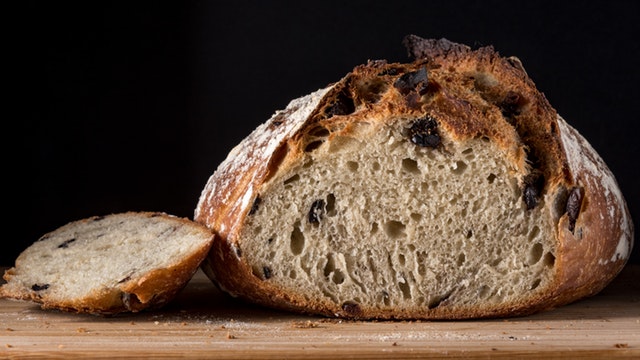
12 – Make whole grain bread a habit!
A study published in the American Journal of Clinical Nutrition found that obese individuals were more successful at losing abdominal fat when whole grains were added to their diet for 12 weeks. This is because whole grain products contain more fiber, vitamins, and minerals than refined alternatives.
13 – Be satisfied with small bites!
A study by The American Journal of Clinical Nutrition found that people who take large bites consume 52% more calories than those who take small bites and chew more. Eating food in small pieces will both help you feel full and allow you to enjoy your meal more. Remember — even just taking smaller bites can help you achieve a slimmer waistline!
14 – Give your body's water needs the attention they deserve!
Adequate water intake is very important for body functions, and the more water you drink, the greater your chances of staying slim. A study found that people who drank 2 glasses of water before each meal lost 30% more weight than those who did not. You can also add ice to boost the effect. Research suggests that drinking 6 glasses of cold water per day provides enough support to burn 50 extra calories daily.
15 – Make sure your social circle supports you!
A study found that obesity is 57% linked to having obese friends. You can turn this to your advantage! Suggest doing healthy activities together or sharing meals with your friends. This way, you can boost your own motivation and encourage your friends to support you!
16 – Break the habit of eating late!
Your body can burn fat while you sleep — but this is unlikely if your body is busy burning off a late dinner. A study in an obesity journal tracked 52 people for one week and found that those who ate after 8:00 p.m. had higher daily calorie intakes and correspondingly higher BMI measurements.
17 – Weigh yourself regularly!
Checking your body weight regularly — once a week — reinforces weight loss and makes it harder to cheat on your diet. A study at the University of Minnesota found that people who were routinely weighed by professionals were twice as likely to lose weight. Since the body can naturally fluctuate in weight, it's important to weigh yourself under the same conditions each week.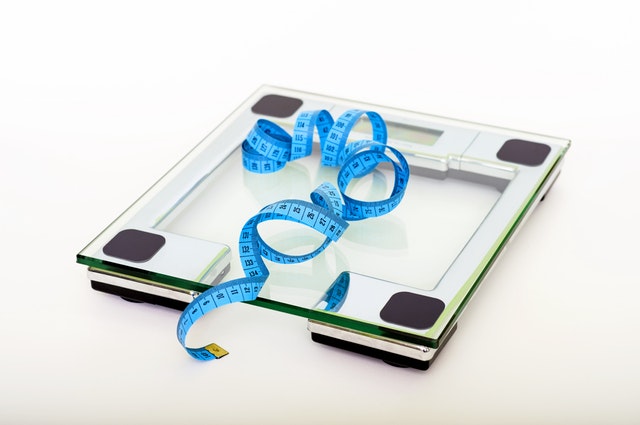
18 – Stay away from fruity drinks!
Most restaurants and bars use syrups thickened with high-fructose corn syrup in their fresh fruit recipes. Drinks that typically come garnished on the rim contain these syrups, making them a very poor choice for your waistline.
19 – Take precautions against emotional eating episodes!
According to a study conducted at the University of Alabama, people who experience emotional eating episodes (turning to food in response to emotional stress) are 13 times more likely to be obese or overweight. If you have a tendency to eat more in response to stress, you can try chewing gum, drinking water, or going for a short walk.
20 – Position yourself wisely at buffets!
At buffet-style restaurants, choosing a seat with a clear view of the food increases consumption by 15%. What you should do instead is find a seat where your back is turned so you cannot see the buffet.
Merve TIĞLI ÇINAR