2020's Nutrition Trends
Dietitian Emel Terzioğlu Arslan explained the nutrition trends of 2020. This year, plant-based, gluten-free, and vegan diets are once again popular. Sustainable eating is also set to spark conversation!
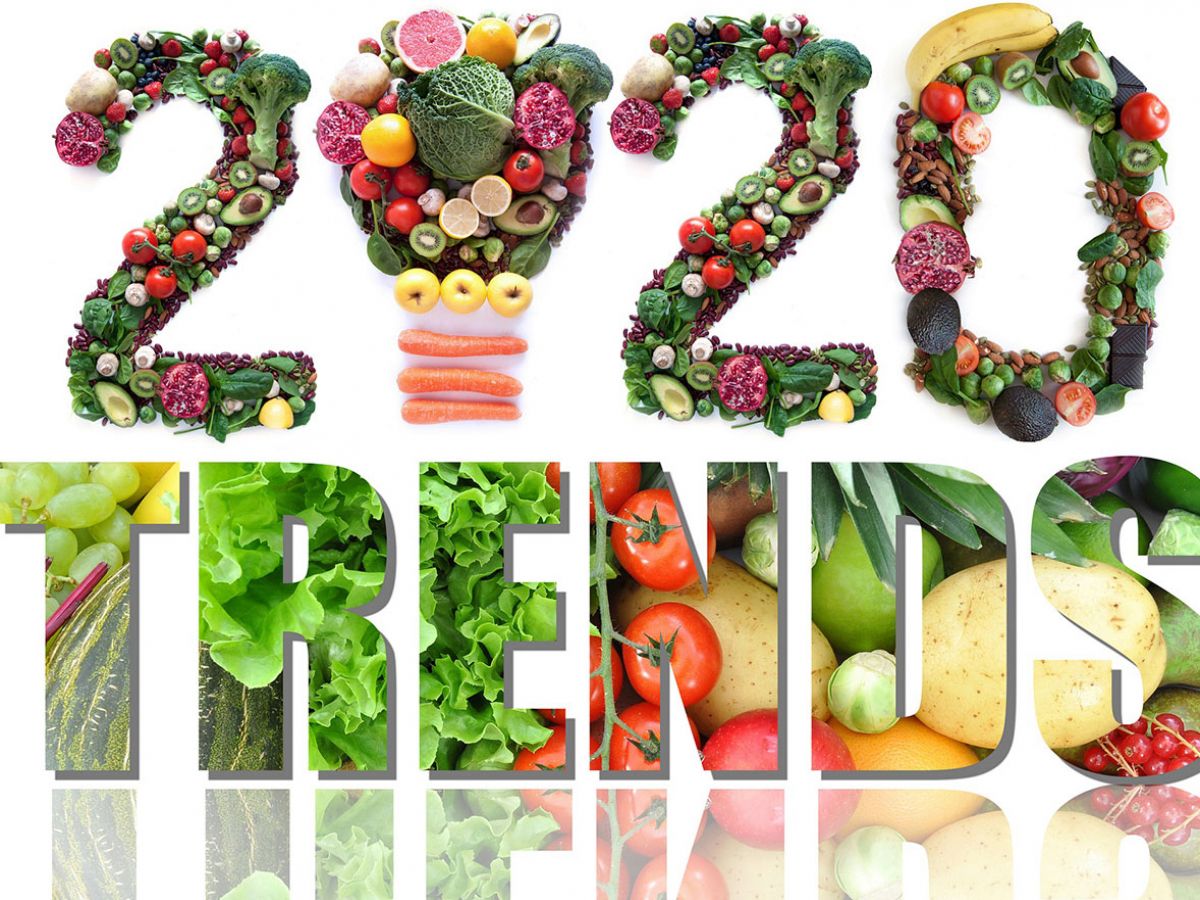

The two most important themes of 2020 are "sustainability" and "mindfulness." Of course, these two themes also influence the way we eat. Sofra/Compass Group Turkey Country Dietitian Emel Terzioğlu Arslan — offering guidance for those confused about healthy eating in an era where quality of life is front and center — has shared the nutrition trends of 2020.
Sustainable eating for a sustainable world
Unfortunately, the world we live in today has become a place of climate change, increasing health problems, declining biodiversity, and global warming on an unimaginable scale. One of the most significant causes of this is the way we eat. Globally, 1.4 billion hectares of land are used for food production, and 25% of freshwater resources are spent on food that goes to waste. Greenhouse gas emissions — one of the leading causes of global warming and climate change — are responsible for 25% of emissions from grain production, livestock, and forestry. For these reasons, adopting a sustainable way of eating is essential for a sustainable world. The UN Food and Agriculture Organization (FAO) defines sustainable eating as safe, healthy, and low in environmental impact. Furthermore, this way of eating is culturally acceptable, accessible, equitable, economically affordable, protective of natural resources, non-polluting, contributing to food security, and not compromising the needs of future generations. Through this style of eating, great positive changes can be achieved in reducing environmental problems and building a sustainable world. Steps for sustainable eating:
Increase food variety; eat enough and maintain a balanced diet.
Reduce consumption of red meat and processed meat in particular.
Eat plant-based. (Consume at least 5 servings of vegetables and fruit per day.)

Meet your protein needs mostly from legumes, and oily seeds such as almonds, walnuts, and hazelnuts.
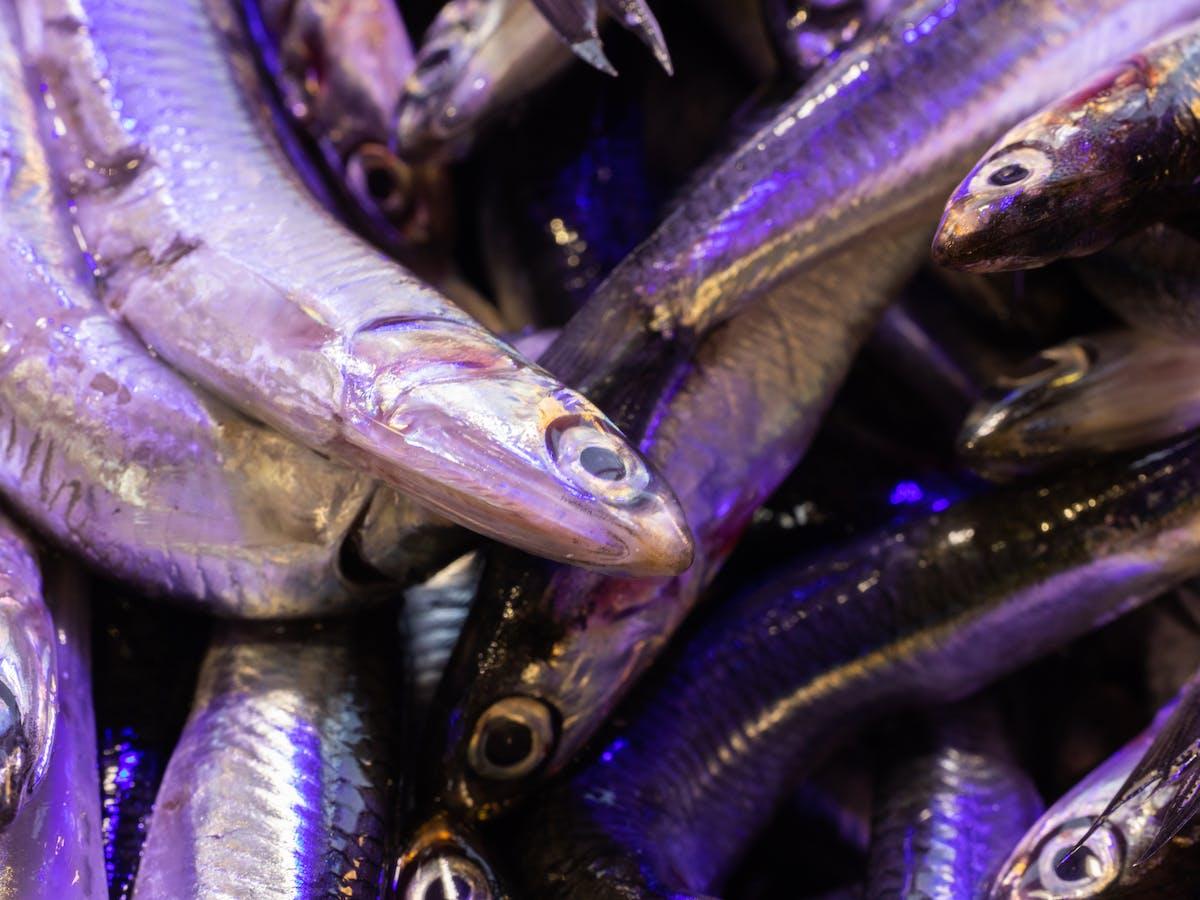
Consume fish sourced through sustainable fishing practices.
Eat foods high in fat, sugar, and salt only rarely.
Store food properly and avoid waste.
Plant-based eating continues
A study published in the journal Science — one of the most comprehensive nutrition and environmental research projects in recent years — shows that plant-based eating plays an important role in improving human health, preventing disease, and eliminating conditions with negative environmental impacts such as reducing greenhouse gas emissions, preventing global warming, and decreasing water and land usage.
Plant-based eating is often confused with vegan eating, but there are very important differences between the two. In a vegan diet, no animal-sourced foods are consumed at all, whereas in a plant-based diet, a person may choose to consume small amounts of animal foods such as eggs, fish, or turkey. Of course, animal-sourced proteins make up only a very small portion of the diet. Additionally, while a vegan diet allows "junk food" as long as it is not animal-derived, a plant-based diet has no place for such foods. A plant-based diet does not include foods containing white flour, refined sugar, or processed fats. In other words, the focus is on consuming "real" food. The foundation of this way of eating is fresh vegetables and fruits, unrefined whole grains, oily seeds, and legumes. Contrary to what many believe, it is not a low-fat diet. Saturated and trans fats are simply replaced by plant-sourced fats and unsaturated fats from fish and oily seeds. This style of eating is particularly rich in fiber, vitamins, minerals, and antioxidants. As a result, plant-based eating has many positive health effects, including healthy weight management, reduced insulin resistance, lower risk of diabetes and heart disease, and reduced blood pressure.

We will learn mindful eating
Eating behavior is influenced by many factors including genetics, environmental factors, emotional state, socio-demographic characteristics, cultural and religious beliefs, media, body image, and appetite. Although the act of eating arises from a physical need, we humans often do not eat in response to our physical needs. For example, many of us cannot remember what we ate in the last few hours. This is where mindful eating comes in. Mindful eating means being aware of how and why eating behaviors occur rather than just what you eat — internalizing the concept of physical hunger and fullness, being aware of the influence of emotions and thoughts, not being affected by environmental factors, not judging food choices, and focusing on the food being consumed here and now. In recent times, it has been emphasized that helping people develop mindful eating habits offers more lasting solutions than traditional diet therapies. Here are a few simple steps for mindful eating:
Make a shopping list, add nutritious foods to it, and stick to it.
Don't sit down to a meal starving. Leaving more than 4 hours between meals can cause you to eat more than you need at the next meal.
Appreciate your food; think about its flavor and texture.
Use all your senses while eating — pay attention to the smell, taste, color, and even the sound of the food you eat.
Take small bites. This makes it easier to savor the flavor of your food.
Chew your bites thoroughly.
Eat slowly. When you eat fast, the satiety signal doesn't have time to form, making it likely you'll eat more than you need.
Use a smaller plate and eat smaller portions.

Vegan eating is popular once again
Vegan eating, which has gained growing recognition in recent years, will continue to be one of the most talked-about dietary models in 2020. At the heart of veganism are many motivations such as healthy eating, religious and ethical beliefs, and environmental protection. Joining those with these motivations are individuals who embrace sustainable living and want to protect the environment. This is because vegan eating eliminates animal-sourced foods (especially red meat), which is one of the most significant contributors to greenhouse gas emissions. The vegan lifestyle is built on plant-based eating, and unlike vegetarianism, it excludes all animal products — including honey. In other words, the diet consists solely of plant-sourced foods. Protein needs are met through legumes such as peas, beans, chickpeas, lentils, and soy, as well as tofu, peanut butter, cashews, and other oily seeds. Healthy carbohydrate sources rich in both protein and fiber for vegans include foods such as brown rice, quinoa, oatmeal, bulgur (cracked wheat), and chia seeds. All kinds of vegetables and fruits can be consumed. Since animal-sourced dairy and dairy products are also excluded, vegans prefer plant-sourced milks such as coconut milk, almond milk, and soy milk. Even though nutritional needs may largely be met, the exclusion of animal-sourced foods can sometimes lead to deficiencies in micronutrients such as B12, iron, and calcium. For this reason, getting regular blood tests and taking supplements for any deficient vitamins and minerals is advisable.
Gluten-free eating is only for those with gluten sensitivity
Gluten-free eating — one of the most widely adopted dietary approaches in recent years — remains popular in the new year. Gluten is a protein found in grains such as wheat, barley, and rye. In some individuals, the immune system perceives gluten as a foreign substance, triggers a reaction, and can cause serious side effects. These side effects include symptoms such as fatigue, bloating, constipation, and diarrhea. More serious effects include nutritional deficiencies, involuntary weight loss, and intestinal damage. The answer to who should eat gluten-free is those with celiac disease, who have a true allergy to gluten — because the only treatment for celiac disease is a lifelong gluten-free diet. Individuals who merely have a sensitivity to gluten, on the other hand, are not required to eat gluten-free. Studies have shown that people who eliminate gluten from their lives also miss out on many nutrients such as fiber and various vitamins and minerals, which increases the risk of heart disease. For this reason, changing your diet without knowing your body and without consulting an expert may not be the healthiest decision.