9 Superfoods You Should Eat During Ramadan to Feel More Energized
Long hours of fasting can leave your body weak and make you feel tired. Here are 9 superfoods you should consume to keep your energy high and feel your best while fasting.

1. WATER
Water, water, water! We know you hear this all the time — but trust us, there's a very good reason we keep reminding you to stay on top of your water intake. Water makes up 60% of your body. Since Ramadan falls right in the spring season when the weather is warmer, your body loses more fluids, increasing your need for water. However, during the fasting period you have very limited time to drink. By drinking plenty of water between iftar and suhoor, you'll boost your metabolism and notice that you feel more energized and vibrant throughout the day. You can easily flavor your water with colorful fruits, vegetables, or spices — such as lemon, orange, cucumber, apple slices, parsley, fresh mint leaves, cinnamon, and cloves — and enjoy it after iftar. This will help you maintain your blood sugar balance and make staying hydrated more enjoyable. Also watch out for the tea and coffee traditionally served at Ramadan tables after iftar! Excessive consumption of these drinks causes your body to lose water, so try not to exceed 5–6 cups per day.
2. ALMONDS
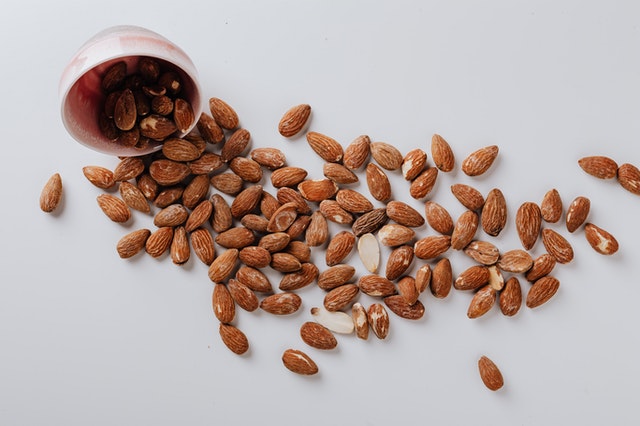
Almonds belong to the oilseed group, but don't let the word "fat" mislead you! Almonds are rich in polyunsaturated fatty acids, which are essential for your body's energy metabolism. They are also an excellent source of magnesium, calcium, phosphorus, and potassium — minerals your body needs for energy. However, watch your portion sizes! 5 almonds contain about 60 calories. Especially for those who want to lose weight during Ramadan, almonds can be consumed alongside dates when breaking the fast, or as a snack after iftar — just be mindful of portions.
3. DATES
Dates are the star of the Ramadan table! The B-group vitamins in dates play a role in your body's energy metabolism, helping to boost your energy levels. At the same time, the carotenoids they contain are perfect for strengthening your memory. The fiber content of this wonderful food — which you can enjoy when breaking your fast — is also very high. That's why breaking your fast with dates makes portion control at iftar much easier. 2–3 medium-sized dates count as one fruit serving and are approximately 80 calories. However, don't forget that they should be consumed alongside an oilseed to prevent sudden spikes in blood sugar!
4. YOGURT
Constipation, diarrhea, gas, and bloating can trouble you throughout the day, causing discomfort and lowering your energy levels. To reduce these types of digestive issues during Ramadan, opt for probiotic-enriched yogurt. Whether you have it alongside your main iftar meal, as a snack after iftar, or mixed with oats at suhoor, yogurt's high protein content will also help you feel fuller throughout the day and prevent your energy from dropping.
5. EGGS
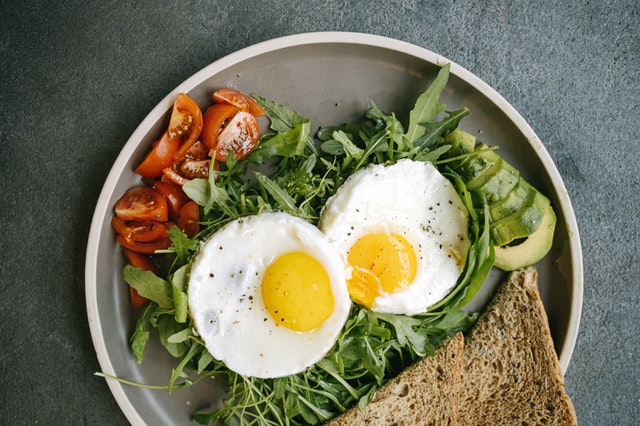
Eggs are the highest-quality protein source after breast milk! The amino acids in eggs help provide regular and sustainable energy, and by preventing fluctuations in blood sugar and insulin levels, they help maintain your energy. This valuable food is also an excellent source of nutrients your body needs to preserve muscle mass. Eggs are highly satiating — consuming them at suhoor can extend the time you stay full and help prevent your energy from dipping throughout the day.
6. CHIA SEEDS
This incredible food, which you can include at suhoor, will help you stay fuller for longer by swelling up to 10–15 times its own volume. Chia seeds are also rich in protein, antioxidants, vitamins, minerals such as calcium, and omega-3 and omega-6 fatty acids. Thanks to the high amounts of both soluble and insoluble fiber found in this valuable food, you'll notice improved digestion and greater energy levels. At suhoor, you can mix 1–2 tablespoons of chia seeds into yogurt or milk.
7. BANANA
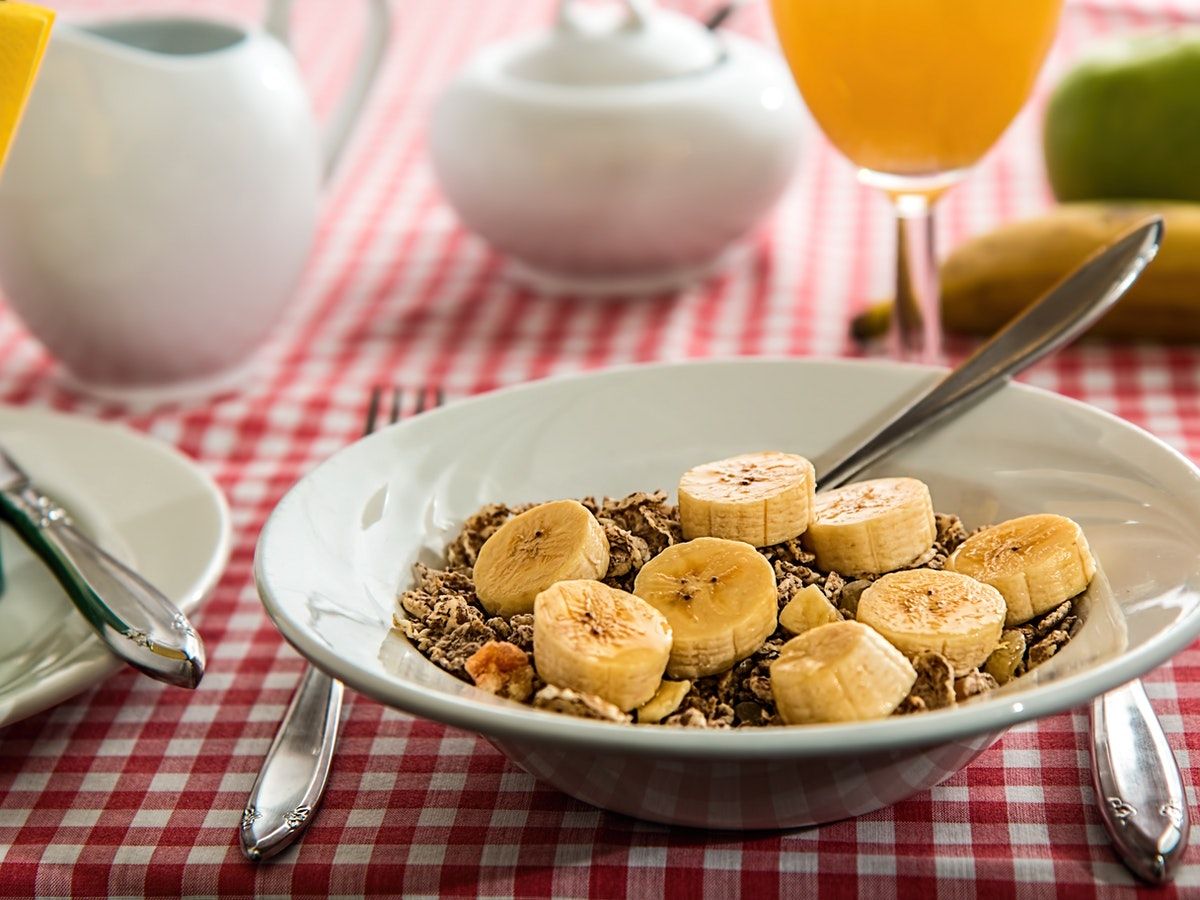
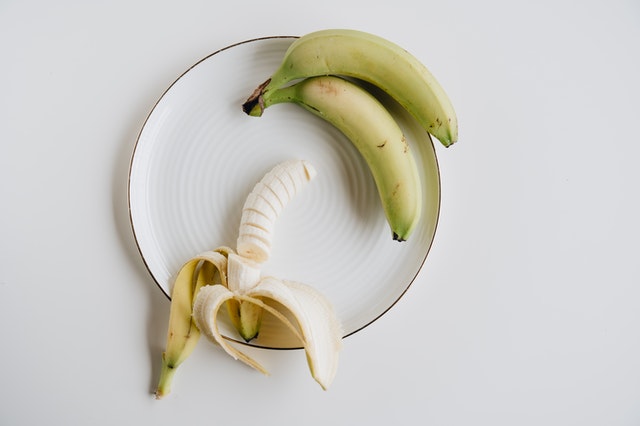
A banana is a gift that nature has packaged and presented to us. One medium banana contains approximately 105 calories, and its vitamins and minerals help support your body's electrolyte balance. The carbohydrates in bananas (resistant starch) help provide your body with both quick and long-lasting energy. You can eat bananas as a snack or mix them with oats or milk at suhoor — this way you can satisfy your sweet cravings while the fiber content helps keep your blood sugar balanced.
8. LOW-SALT CHEESE
Consuming high-sodium foods at suhoor increases the likelihood of feeling thirsty throughout the day. During Ramadan, opt for low-salt cheeses that won't intensify your thirst during fasting hours. The protein in cheese will help you maintain your muscle mass during Ramadan as well. At the same time, the abundant calcium, B12, and phosphorus found in cheese provide the vitamins and minerals your body's energy metabolism requires. Don't skip cheese at your suhoor table if you want to feel energized while fasting.
9. BROWN RICE
Compared to white rice, brown rice has a higher fiber content, which helps your blood sugar rise gradually and keeps you feeling full for longer — so it won't cause sudden spikes and crashes in your energy levels. It also contains B-group vitamins, which play a role in energy production in the body, as well as important nutrients like magnesium, helping to supply your body with the energy it needs. You can easily incorporate this wonderful food into your iftar meals.