10 Warnings for Asthma Patients During the Covid-19 Pandemic
Pulmonologist Assoc. Prof. Dr. Özgür Karacan listed 10 important points asthma patients should follow during the Covid-19 pandemic and issued serious warnings on the subject.

The novel coronavirus disease (Covid-19), declared a pandemic by the World Health Organization (WHO), poses a significant threat in our country as it does worldwide. Nişantaşı Hospital Pulmonologist Assoc. Prof. Dr. Özgür Karacan, noting that the disease spreads from person to person via droplet infection and has a very high transmission rate, drew attention to the fact that chronic lung diseases constitute the third most important risk group after diabetes and heart disease.
Pointing out that asthma is among the chronic lung diseases, Karacan said: "Asthma patients are individuals who may experience decreased lung function, episodes in which inflammatory cells increase in the airways, and difficulty breathing. Depending on the severity of the disease, they may sometimes need to use one or more medications on a continuous basis."

Karacan listed the 10 points asthma patients should take into consideration during the Covid-19 pandemic as follows:
- Dry cough, shortness of breath, chest tightness, and a feeling of unease experienced by asthma patients can also be seen in Covid-19 patients. While fever frequently accompanies this picture in Covid-19 patients, asthma patients do not present with fever unless a flu-like infection accompanies the condition. Because this similar clinical presentation can cause confusion and misdiagnosis, asthma must always be considered in the differential diagnosis of Covid-19.
- It should be kept in mind that asthma attacks can occur especially during the spring season, and that asthma-related visits to healthcare providers increase every year during this period.
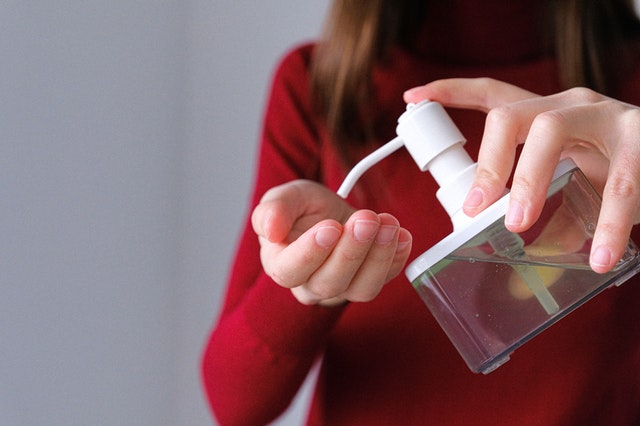
- Hand hygiene and mask use — personal protective measures against Covid-19 — pose challenges for asthma patients. Disinfectant solutions evaporate and cause irritation throughout the respiratory tract, and can even trigger an asthma attack. Masks, meanwhile, cause panic and anxiety in asthma patients who are already prone to breathing difficulties.
- As with the general public, asthma patients should follow the infection control recommendations of the World Health Organization and the Ministry of Health regarding hygiene strategies and the use of personal protective equipment. It should be kept in mind that excessive use of disinfectants may worsen asthma symptoms, and caution should be exercised in this regard.
- During this period, asthma patients should continue using the medications that keep their symptoms at a minimum.
- Discontinuing corticosteroid-containing medications in order to reduce the risk of Covid-19 poses a greater risk, as it can lead to a worsening of their condition.
- The use of asthma medications, including short-term oral corticosteroid therapy, does not pose a risk for Covid-19.
- During this period, the use of nebulizers (steam inhalers) for medication delivery is not recommended due to the risk of aerosol particle generation. Instead, patients should use dry powder inhalers, metered-dose inhalers, or closed-system devices.
- Pulmonary function tests should similarly only be performed in laboratories where the necessary precautions have been taken and upon a physician's request, as they also cause aerosol particle dispersion.
- The virus that causes Covid-19, like other viruses, can trigger an asthma attack. In this case, macrolide-group antibiotics provide significant benefit in controlling asthma. They should be used under physician supervision.