What to Do to Avoid Weight Gain During Ramadan
During Ramadan, daily eating habits and meal frequency change, making it hard to stick to a diet plan. Here are tips for staying in shape throughout Ramadan...


Reasons for weight gain during Ramadan
Since we consume nothing throughout the day while fasting, our blood sugar drops toward iftar (the meal to break the fast). Eating too much at iftar — especially loading up on sweets — and then not moving afterward leads to weight gain. Because prolonged fasting slows down the metabolism, eating too much at suhoor (the pre-dawn meal) also increases the likelihood of gaining weight.

Tips for avoiding weight gain during Ramadan
* When cooking vegetable dishes, avoid margarine entirely and reduce the amount of oil used.
* Among cooking methods, baking, boiling, and steaming should be preferred. You can bake everything you would normally fry, which helps you manage your weight while also being easier on your stomach.

* Consume low-calorie, high-fiber foods such as raw vegetables. Avoid spending the day sleeping or being sedentary. After iftar, make sure to go for a walk.
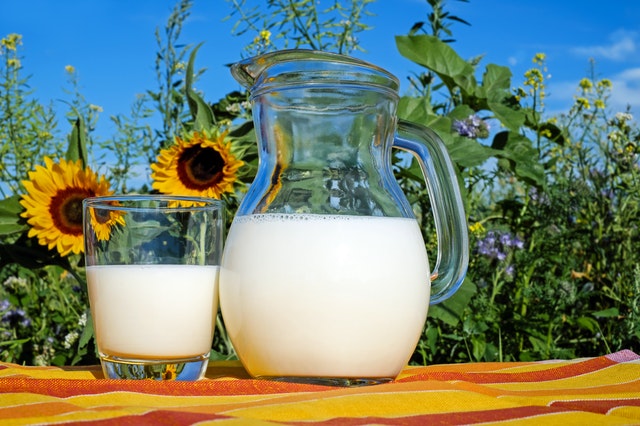
* Throughout Ramadan, consuming calcium-rich foods such as 2 glasses of skim milk and yogurt per day makes it easier to burn fat.
* Skipping suhoor is the single worst thing you can do. Getting up for suhoor shortens the fasting period and helps speed up your metabolism.
* As long as we are fasting, our bodies go without water. For this reason, we need to drink plenty of water between iftar and suhoor. Since Ramadan falls in summer, we also lose water through sweating.

* If you are making a salad alongside your meal, you can reduce your dressing from 1 tablespoon of oil to 1 dessert spoon (about 2 tsp). A dessert spoon of oil is between 40–50 calories.
* Throughout Ramadan, you can consume at least 2 portions of fruit per day by cooking them sugar-free with a cinnamon stick as a compote.