Tips for Balanced Nutrition During Ramadan
Fasting on a single meal can lower blood sugar and lead to issues like headaches and fatigue. Dietitian-Psychologist M. Berrin Ak Atiş shares tips for a strong immune system during Ramadan.


Water and fiber are essential for a healthy Ramadan
Drinking plenty of water between iftar and suhoor and choosing high-fiber foods are essential for a healthy Ramadan. Raw vegetables and fruits, whole-grain products, and nuts should be consumed at both suhoor and iftar. Two to three days a week, legumes and olive oil-based vegetable dishes should be included at iftar. Salads enriched with boiled legumes, buckwheat, or quinoa are also great options.
Suhoor should be eaten close to the pre-dawn call
Suhoor should be eaten close to the pre-dawn call, and it should consist of easily digestible, filling foods that are high in protein and fiber, along with complex carbohydrates that do not cause a rapid spike in blood sugar. A light breakfast of milk, boiled eggs, low-salt or salt-free cheese, seasonal fruits and vegetables, nuts such as walnuts, hazelnuts, and almonds, and 1–2 slices of whole wheat bread — or soup, ayran (Turkish salted yogurt drink), and sugar-free compote — are all good choices.

Start iftar with soup
Iftar should begin with light dishes such as soup, yogurt, and salad, and food should be chewed thoroughly. Soup helps meet the body's fluid needs and increases satiety. To allow the fullness signal to reach the brain and prevent overeating, you should wait 10 to 15 minutes before moving on to the main course.
All food groups should be consumed in a balanced and regular manner
Care should be taken to consume all food groups at iftar, and meat dishes, vegetables, and legumes should be eaten regularly and in a balanced way. Instead of foods that cause a rapid rise in blood sugar — such as rice pilaf and white bread — low-glycemic, high-fiber options like whole wheat bread, legumes, and whole wheat pasta should be preferred. High-fiber foods both prolong the feeling of fullness and help relieve constipation that may result from eating less.
Plenty of fluids should be consumed between iftar and suhoor
During Ramadan, headaches, irritability, fatigue, and difficulty concentrating can occur due to fluid loss. To prevent this, plenty of fluids should be consumed between iftar and suhoor. Fluid intake should come not from diuretic beverages such as tea, coffee, or cola, but from plenty of water, kefir, ayran (Turkish salted yogurt drink), compote, and plain sparkling water.

Staying active during the day is important to avoid weakening the immune system
Having a snack 1.5 to 2 hours after iftar is important for blood sugar regulation and keeping the metabolism active. On two days of the week, traditional milk-based desserts can be enjoyed as a snack. On other days, making healthy choices such as 1–2 scoops of ice cream, fruit, yogurt, or kefir is very important. Additionally, it is important to stay active during the day to avoid weakening the immune system. Those who exercise regularly can continue to do so while fasting, though the intensity should be reduced somewhat. Exercise should be done close to iftar time or 1.5 to 2 hours after iftar.
Patients should consult their doctors before fasting
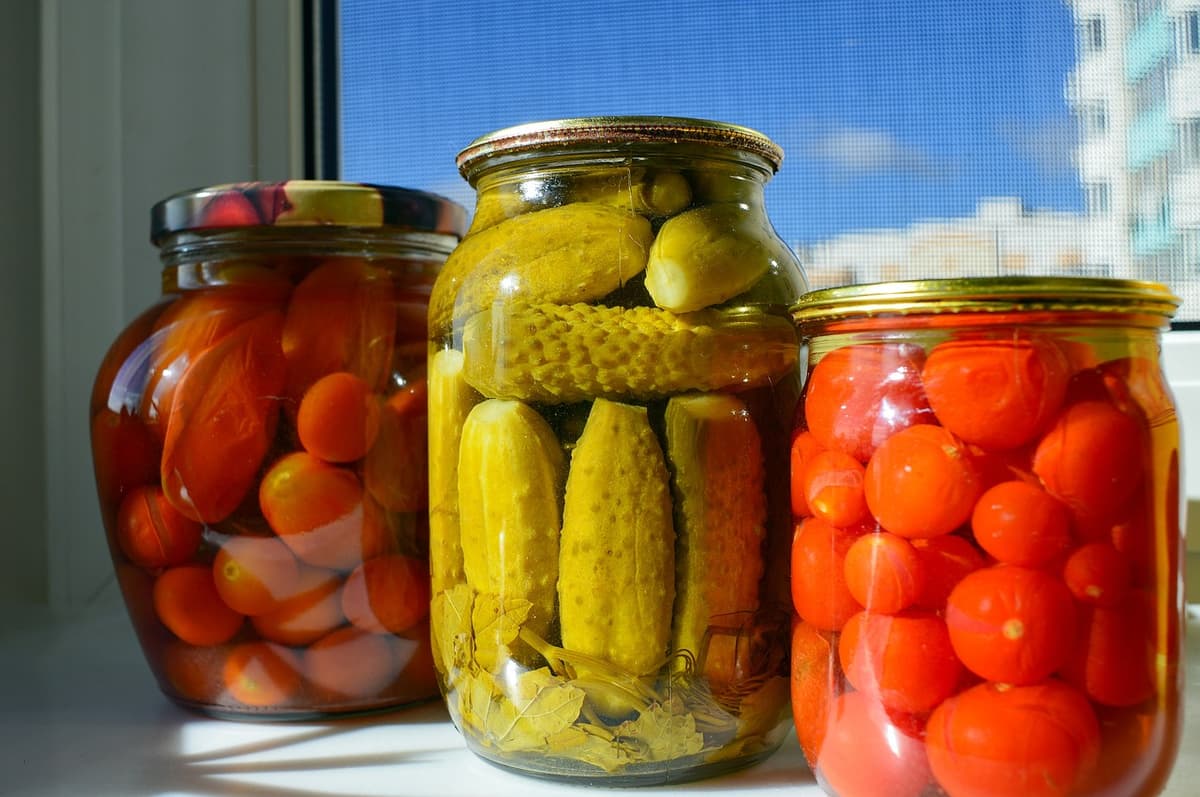
Those with diabetes, heart disease, or kidney disease, pregnant or breastfeeding women, children in developmental stages, the very elderly, and those who require a special diet due to conditions such as ulcers, colitis, or chronic bowel disease should not fast without consulting their doctor. Patients with type 2 diabetes or hypertension whose conditions are managed through diet or medication may be able to fast. Hypertension patients should avoid foods high in salt, such as sausages, processed and salted meat and fish products, olives and pickles, snack foods, salty cheeses, various ready-made crackers, salad dressings, spreads, and sauces (mayonnaise, mustard, ketchup).