Calcium and Protein During Pregnancy Affect Your Baby's Health!
Attention, expectant mothers: Calcium and protein during pregnancy affect your baby's health! Adequate and balanced nutrition during pregnancy is extremely important for expectant mothers!
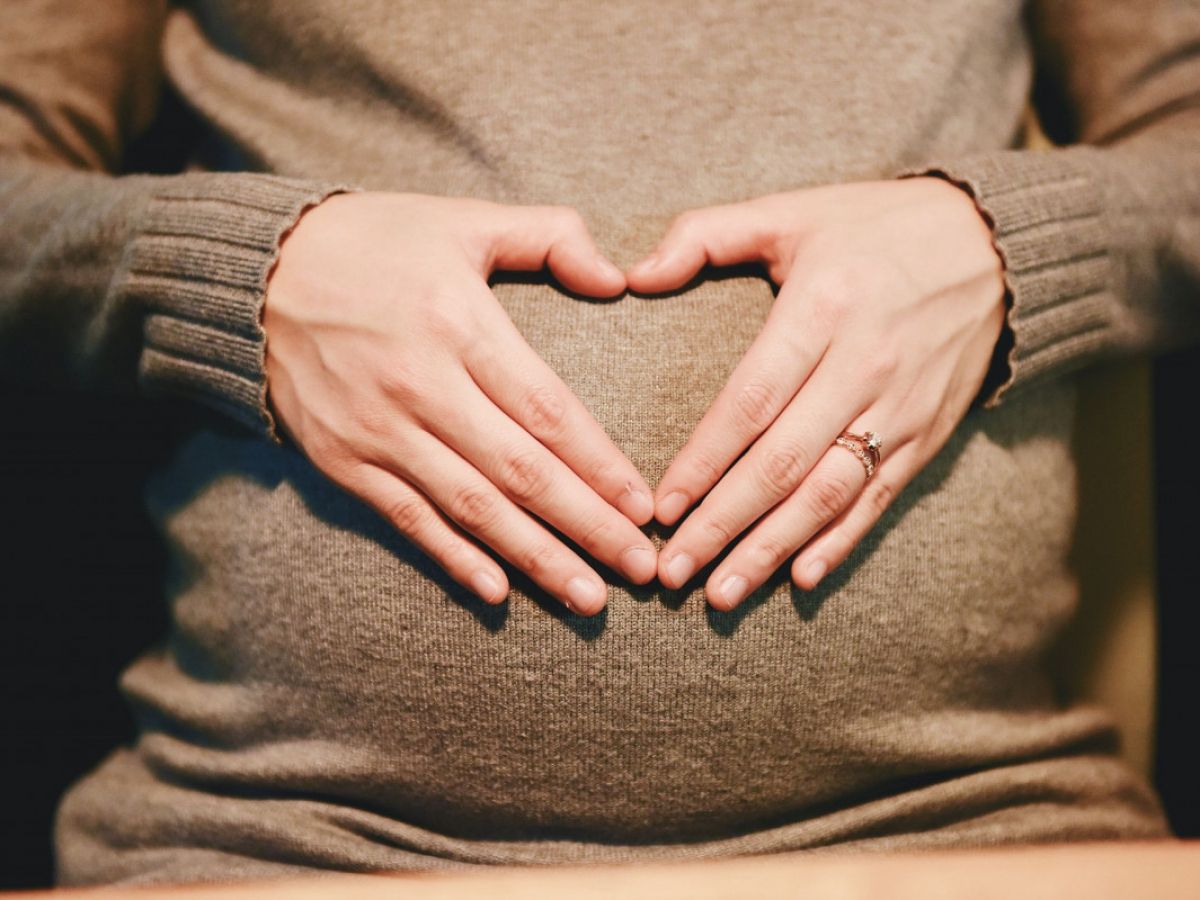

Adequate and balanced nutrition during pregnancy is crucial for both the health of the expectant mother and the healthy development of the baby. Muratbey Nutrition Consultant Prof. Dr. Muazzez Garipağaoğlu, noting that expectant mothers particularly need protein, calcium, and many other vitamins and minerals during this period, recommends that pregnant women keep cheese — rich in calcium and protein — as a staple at their table.
A child's health is closely linked to how their mother ate from the first day of pregnancy through the child's second birthday. For this reason, an expectant mother's nutrition during pregnancy takes on special importance for both her own health and the healthy development and growth of her baby. Pointing out that adequate and balanced nutrition plays a critical role especially when it comes to child and maternal health, Prof. Dr. Muazzez Garipağaoğlu recommends that expectant mothers consume foods rich in calcium, protein, vitamin D, and folic acid.
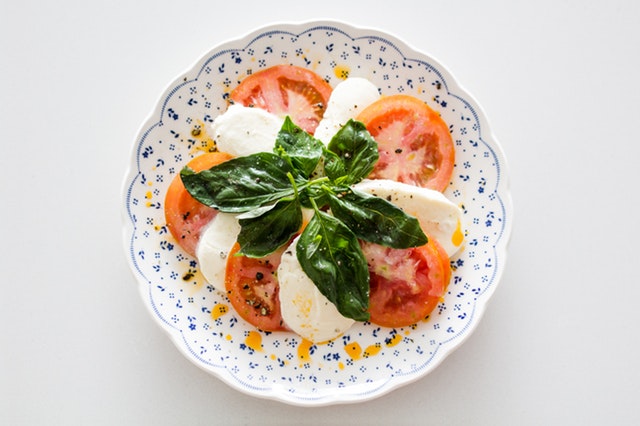
Calcium deficiency can lead to osteoporosis later in life
Noting that pregnant women need to include a variety of foods in their diet (consuming different types of foods) to ensure adequate nutrition, Prof. Dr. Garipağaoğlu drew particular attention to the indispensable role of protein and calcium: "One of the most important minerals during pregnancy and breastfeeding is calcium. When sufficient calcium cannot be obtained during these periods, the exchangeable calcium at the ends of the bones is mobilized to meet the baby's needs. This situation, which causes softening of the mother's bones, is called Osteomalacia (bone softening). Prolonged calcium deficiency can lead to Osteoporosis (bone loss) later in life. For this reason, calcium intake is especially important during pregnancy. These risks can be reduced by consuming appropriate amounts of milk, yogurt, and especially cheese during critical periods such as pregnancy and breastfeeding," she said.
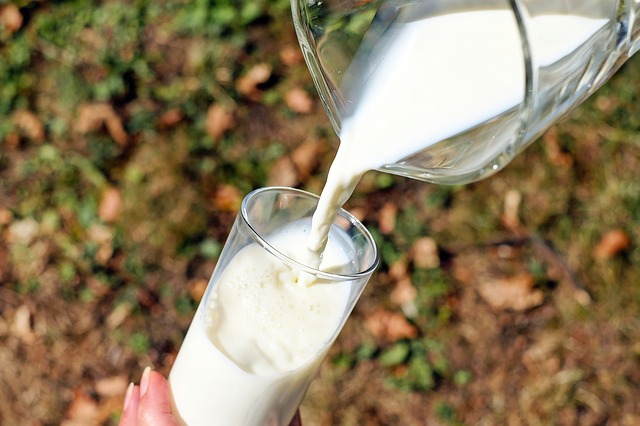
Consume vitamin D-fortified cheese!
Stating that cheese is a dairy product that best and most easily provides the quality protein, calcium, and many other beneficial nutrients needed during pregnancy, Prof. Dr. Garipağaoğlu said: "Vitamin D, which the body cannot produce on its own, is also important for pregnant women. Vitamin D, which does not occur naturally in foods, plays a critical role in depositing calcium into bones. The main source of vitamin D is sunlight. It is found in very small amounts in foods. If sufficient benefit cannot be obtained from sunlight, vitamin D needs to be taken externally as a supplement or through fortified foods. Regularly consuming vitamin D-fortified cheeses provides an advantage in meeting vitamin D needs alongside protein and calcium."
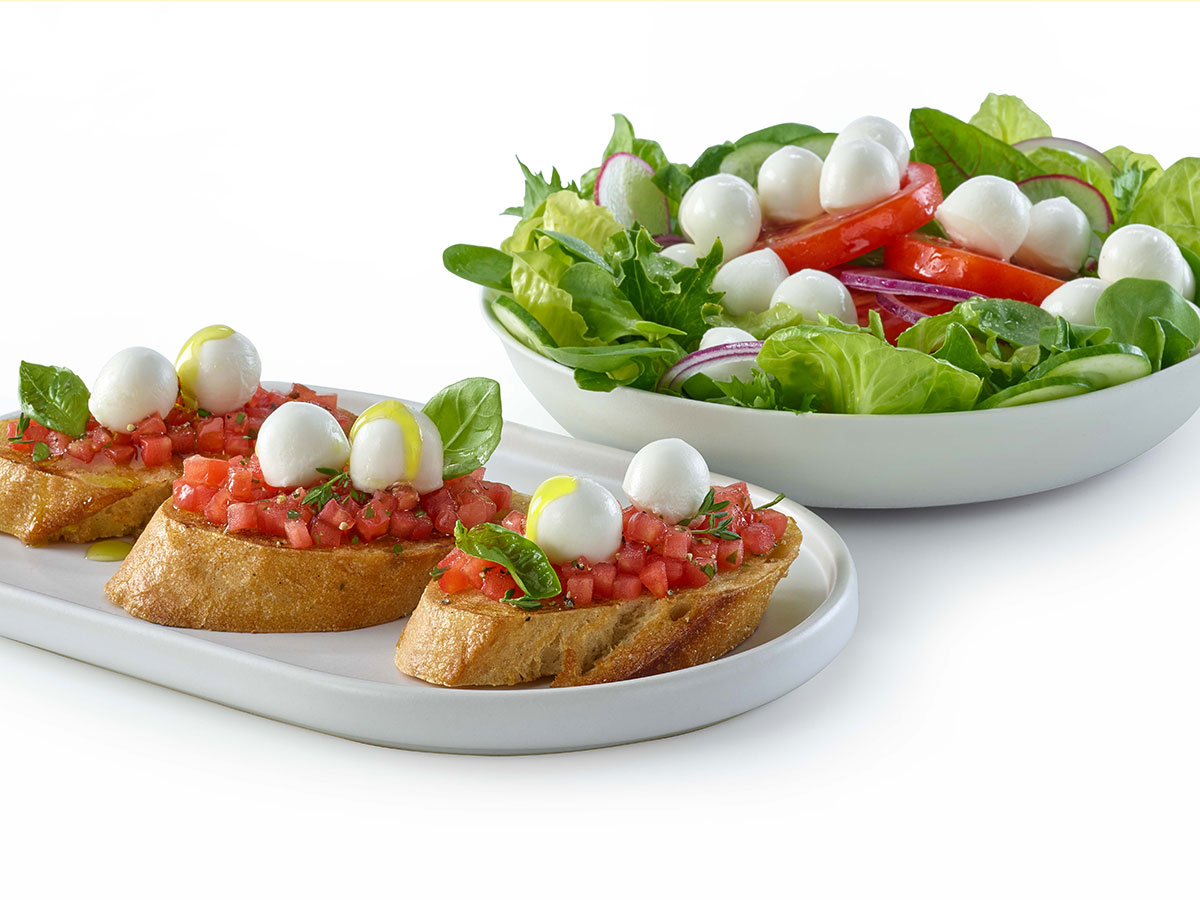
Choose low-fat / low-salt cheeses
Recommending low-fat, low-salt cheeses such as Topi, Sürmeli, Burgu, and lor cheese (Turkish curd cheese, similar to ricotta) equally from a health perspective, Prof. Dr. Garipağaoğlu noted that low-fat cheeses help with weight management during pregnancy and breastfeeding, while low-salt varieties help reduce the risk of high blood pressure. "In addition to cheese and dairy products, bread and grains, seasonal fresh vegetables and fruits, meat, chicken, fish, eggs, dried legumes, nuts, and dried fruits should also be consumed in recommended amounts during pregnancy," she said.