Common Misconceptions About Frozen Food
Have you ever wondered whether the fresh fruits and vegetables you buy are really as fresh as you think, and whether they lose their nutritional value before they reach your table? Here's what you should know.

Freezing is one of the most reliable ways to preserve food
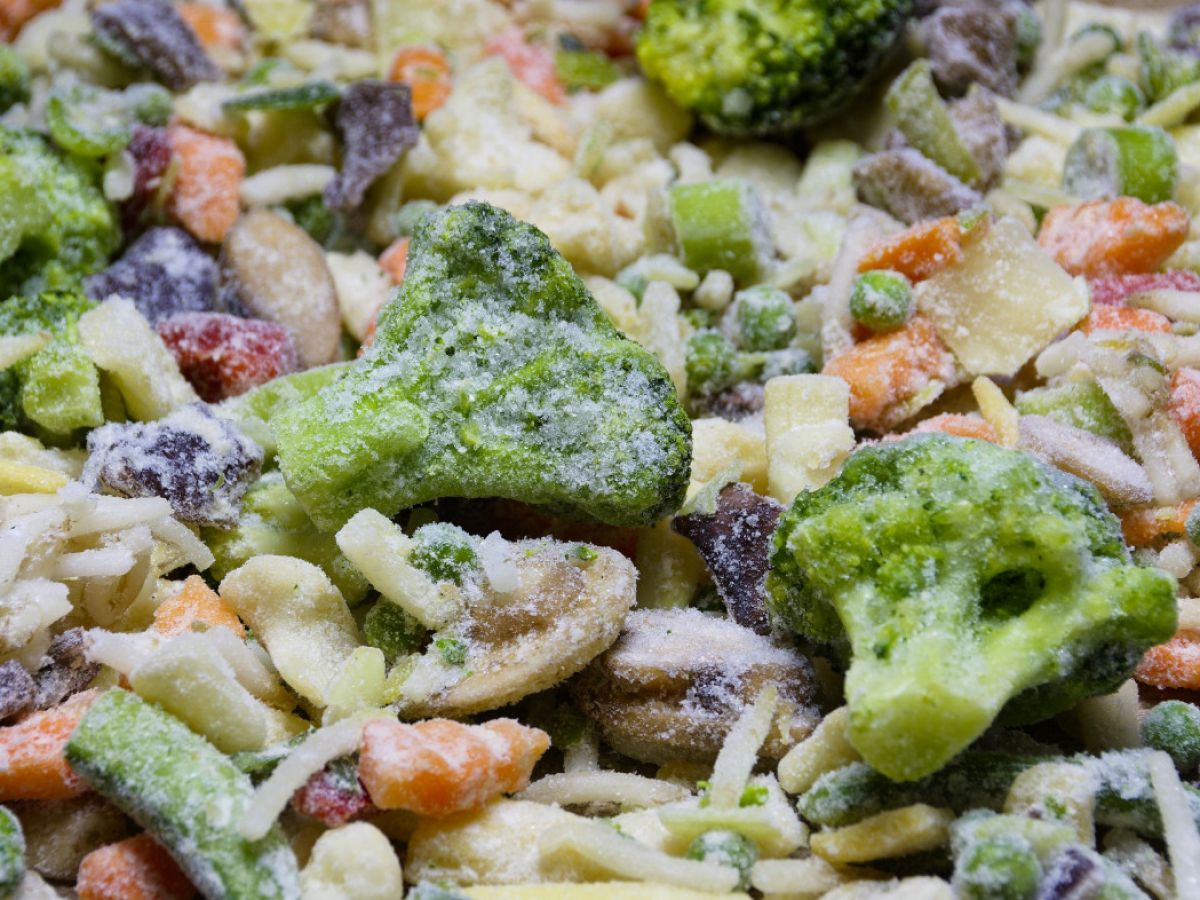
The value of frozen foods is not well understood. Food Engineer Ebru Akdağ, General Coordinator of MÜMSAD, who evaluates frozen foods that make life easier in the hustle and bustle of daily life, emphasizes that fresh produce loses nutritional value before it reaches the table, yet frozen foods preserve their nutritional content thanks to the Individual Quick Freezing (IQF) method.
As the pace of daily life has increased, the time spent in the kitchen has begun to shrink. With growing awareness around healthy eating and safe food, frozen foods have come to play an even greater role in our lives. Food Engineer Ebru Akdağ revealed the facts about frozen foods — products that fresh fruits, vegetables, and home-frozen items would struggle to compete with in terms of nutritional value.

Frozen foods retain their nutritional value
Noting that one of the most reliable ways to store food safely is to freeze it under specific conditions, Ebru Akdağ said: "The best freezing method is the Individual Quick Freezing (IQF) technique applied to the frozen foods we buy at supermarkets. In this process, fruits and vegetables are flash-frozen at -40°C (-40°F), and the core temperature of the products drops to -18°C (0°F) in as little as 5 to 8 minutes. This process prevents cell membrane rupture, causes small ice crystals to form in the cell fluid, and stops nutritional value loss. During the slow home-freezing process, however, the cell membranes of fruits and vegetables rupture, making it impossible to prevent nutritional loss."

Fresh produce loses nutritional value before it reaches your table
Pointing out that fruits and vegetables purchased as "fresh" are not as fresh as we think, Akdağ said: "Consuming fruits and vegetables is essential for a healthy diet. Whether bought at a farmers' market or a supermarket, fresh produce typically undergoes about a week-long journey from harvest to market stall — accounting for transportation, storage, and distribution processes — before it reaches the point of sale. Nutritional loss begins during this time. Frozen products, on the other hand, are flash-frozen within a few hours (at most 8 hours) after harvest, which is why nutritional loss is prevented."

During the pandemic, we need foods we can store at home
The pandemic period, with all its uncertainties, has caused some of our consumption habits to be reshaped. On one hand, we need to avoid stockpiling excessive amounts of food; on the other hand, we need to be able to store food at home in a way that reduces how often we shop. Drawing attention to the growing importance of food safety during the pandemic, Akdağ said: "Frozen products, which can be stored in the freezer for a long time while retaining their nutritional value, have taken on special significance during this period."