Common Misconceptions About Margarine
Contrary to its bad reputation, margarine does not contain cholesterol or trans fats. Here are the most common misconceptions about margarine that have led many to remove it from their kitchens!
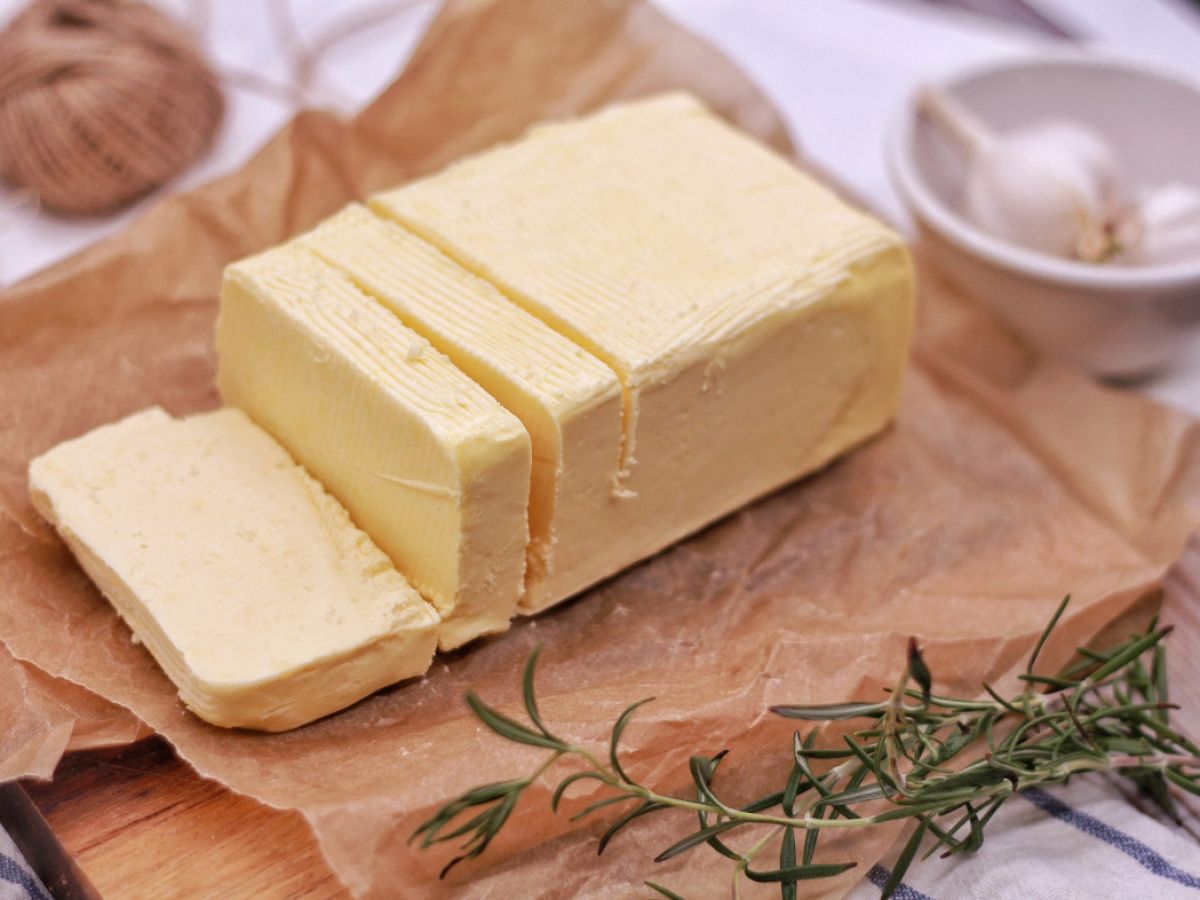

The intense flood of information we experience due to changing habits, living conditions, and social media brings with it various concerns as well as misinformation — also known as an "infodemic." Ebru Akdağ, General Coordinator of the Kitchen Products and Margarine Manufacturers Association (MÜMSAD), points to margarine as one of the best examples of misinformation surrounding the foods we consume. She highlights that margarine, a product of plant-based origin, contrary to popular belief, contains no cholesterol, no trans fats, and has a saturated fatty acid ratio nearly on par with liquid vegetable oils.

Eating is one of the most fundamental needs for human survival, enjoyment of life, socialization, and health. However, the unscientific misinformation we frequently encounter about what we should and shouldn't eat brings both economic and health-related risks. The Kitchen Products and Margarine Manufacturers Association (MÜMSAD), which combats misinformation and prejudice in the food sector with scientific references, informs consumers by sharing the facts — particularly when it comes to margarine.
The food most affected by misinformation: Margarine
Ebru Akdağ lists the scientific facts consumers need to know about margarine as follows: "Margarine, which has a history of over 151 years, continues to be produced with innovations in line with evolving scientific data, lifestyle habits, and technological advancements. Domestic margarines produced in our country are made entirely from plant-based oils. Since no plant-based product contains cholesterol, margarine does not contain cholesterol either. According to the Turkish Food Codex, a trans fat content below 1% is expressed as 'contains no trans fats.' Margarines produced in our country also contain no trans fats. In fact, to inform consumers, margarine packaging even displays a 'no trans fats' logo."

Saturated fat or unsaturated fat?
Reminding us that we need to get 30% of our daily energy from fats for a balanced diet, Ebru Akdağ shares the facts behind common misconceptions: "Health authorities recommend that daily fat intake consist of saturated, monounsaturated, and polyunsaturated fatty acids in a 1/1/1 ratio. All fats found in nature contain both saturated and unsaturated fats. The saturated fatty acid ratio in soft (tub) margarines is nearly on par with that of liquid vegetable oils. No fat found in nature contains these fatty acids in a 1/1/1 ratio. Modern margarine, however, is the type of fat that comes closest to this ratio."