Don't Keep Reheating Your Food!
Did you know that leaving cooked food on the stovetop and reheating it over and over again can cause bacterial growth and pose serious risks to your health?
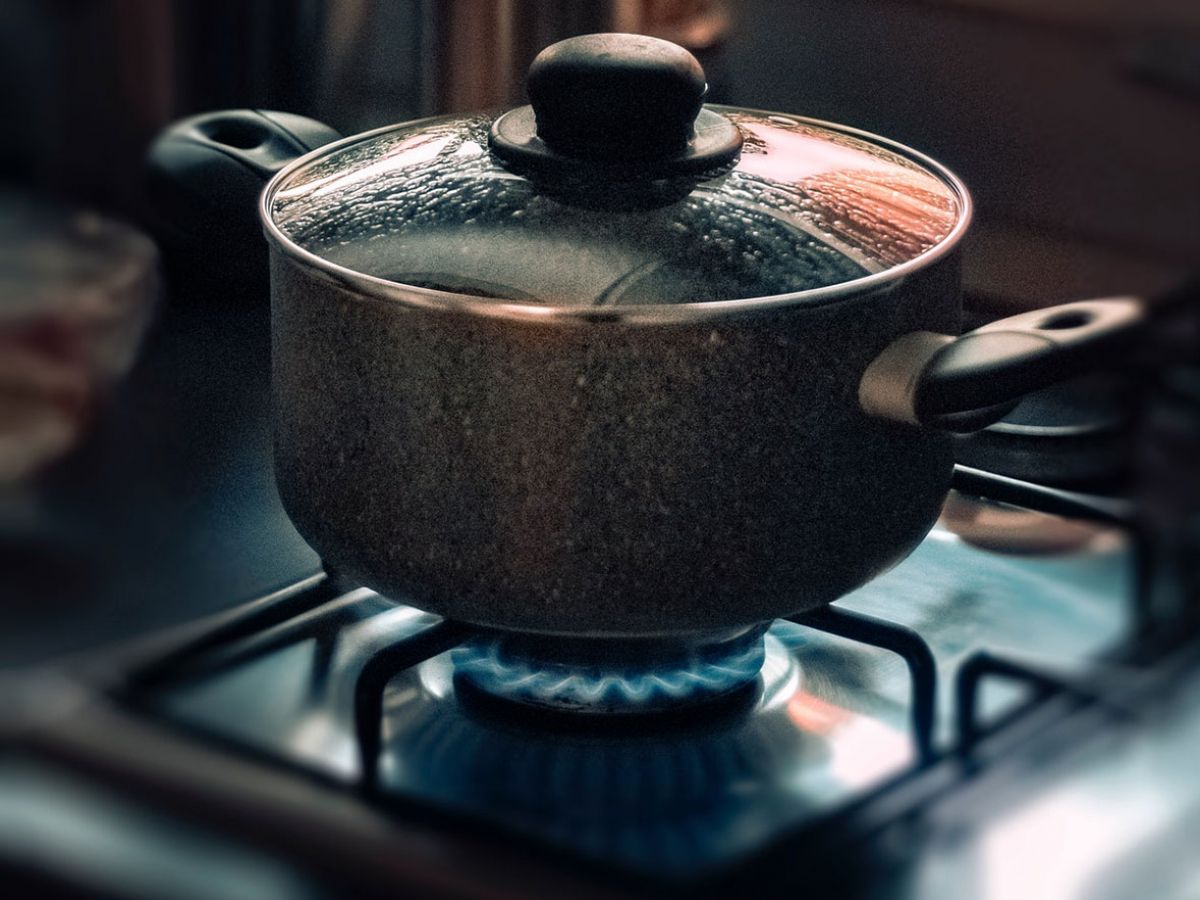

Bacteria multiply rapidly in meals left over for the next serving
Meals cooked at home for daily consumption can become a health risk when they are not eaten within the same serving and are instead saved for the next meal. Leftover food should be refrigerated or frozen as quickly as possible. Leaving cooked food on the stovetop and reheating it repeatedly not only reduces food quality but, more importantly, leads to bacterial growth — creating a situation that is genuinely dangerous for your health.

"Don't eat food that has been sitting out in the kitchen"
Emphasizing that leftover food should be refrigerated as soon as possible, Merve İşeri Uzunoğlu, a lecturer in the Department of Gastronomy at Altınbaş University, reminded us that almost all foods carry the potential to cause poisoning — not just high-risk items like chicken, beef, and eggs. "Bacteria need moisture to survive, and all foods we consume contain enough moisture to meet that need. This makes food an ideal breeding ground for bacteria," said Uzunoğlu. "If cooked food or raw food prepared for consumption has been left at room temperature for a long time, it should absolutely not be eaten. Foods stored in the refrigerator should only be reheated in the amount you plan to consume. Foods that need to be kept for a longer period after cooking can be stored in the freezer — but once thawed, they must be reheated and eaten immediately."

"Raw and cooked foods should be stored in separate sections of the refrigerator"
Uzunoğlu also warned against thawing food by leaving it out at room temperature: "When food is left at room temperature to thaw, bacterial growth begins in the parts that have already thawed and come into contact with the air — before the rest of the food has even defrosted. For this reason, the refrigerator should be used for thawing, or the microwave's defrost function should be used, and the food should be consumed immediately after thawing."

Drawing attention to cross-contamination as the most common cause of food poisoning, Merve İşeri Uzunoğlu said: "Cross-contamination occurs when harmful bacteria from another source in the environment transfer to food during preparation or production. Depending on their structure, these bacteria are killed by heat during cooking. To prevent cross-contamination, cooked foods should be stored in the refrigerator covered and kept in a separate section — away from raw products such as ground meat and chicken."