Don't Risk Your Life by Exercising with a Mask!
We wear masks during strenuous exercise without realizing we may be putting our lives at risk. Exercising with a mask can lead to respiratory failure and sudden cardiac arrest!
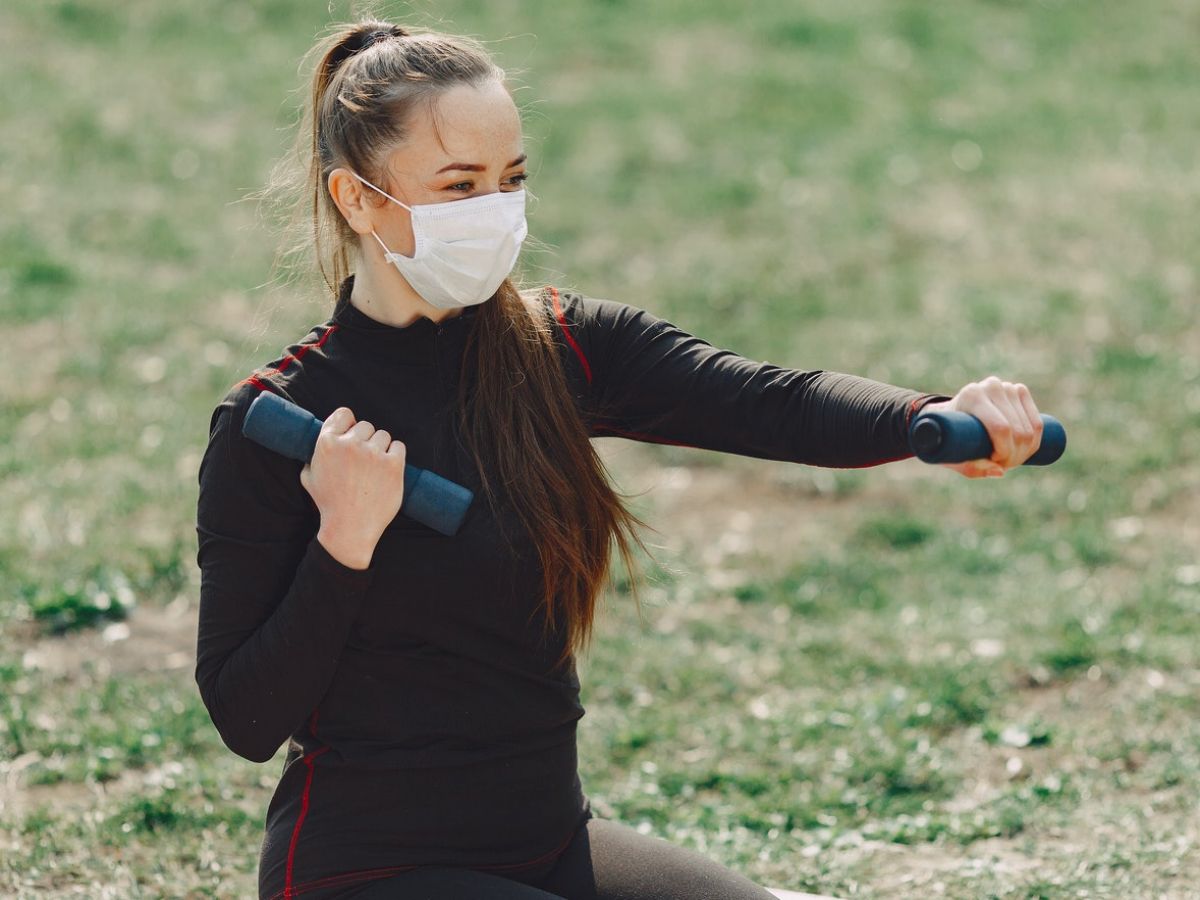

Since the outbreak of the pandemic, masks have become one of the most essential accessories in our daily lives. We try to protect ourselves from the virus by wearing masks in all crowded spaces, from public transportation to shopping malls. Assoc. Prof. Dr. Özgür Karacan, a Pulmonology Specialist at Nişantaşı Hospital, warns that many people are unknowingly putting their lives at risk by wearing masks during strenuous activities such as running, walking, and other demanding forms of exercise — and that masks should not be worn during exercise due to the added burden they place on the respiratory system. Dr. Karacan stated, "Wearing a mask while exercising can lead to respiratory failure and sudden cardiac arrest."
Masks, which suddenly entered our lives with the pandemic and which we began using at every moment of the day, pose a serious risk to our health when worn during exercise. Pulmonology Specialist Assoc. Prof. Dr. Özgür Karacan notes that exercise already increases the load on the cardiovascular system, and emphasizes that wearing a mask during exercise creates additional resistance on the respiratory system, presenting a life-threatening risk. 
Masks place an extra burden on the respiratory system
Noting that our bodies require more energy and oxygen during exercise, Dr. Karacan said: "To meet this demand, blood pressure, heart rate, and breathing rate all increase. A healthy individual can generally meet the increased energy and oxygen demands of exercise. Just like nasal congestion, a mask makes breathing more difficult. This added difficulty places extra strain on the system and can lead to sudden cardiac arrest and even death."
If you experience palpitations, remove your mask and take a break from exercise
Reiterating that masks should not be worn during exercise, Dr. Karacan said: "If you experience symptoms such as shortness of breath, headache, loss of balance, heart palpitations, muscle twitching, cramps, or excessive flushing of the face during exercise, calmly remove your mask, stop exercising, and rest until the symptoms pass. If your symptoms do not resolve after a prolonged period, seek medical attention at the nearest healthcare facility."

The best way to reduce the risk of transmission during exercise is to maintain social distancing
Pointing out that masks cause the carbon dioxide expelled from the body to be re-inhaled, Dr. Karacan said: "Especially with specially filtered masks such as the N95, the inhalation of stale air increases even further. As a result, our bodies cannot receive sufficient oxygen. Additionally, the moisture generated by sweating during exercise creates an extremely favorable environment for the virus. We will also constantly want to adjust and touch our mask as it shifts during movement, which further increases our risk of contamination with the virus while exercising. Due to respiratory failure, sudden cardiac arrest, and the other reasons I have outlined, I do not recommend wearing a mask during exercise. The best way to reduce the risk of coronavirus transmission during exercise is to maintain social distancing."