Everything You Need to Know About Saffron
How is saffron used? What are its benefits? Why is it so expensive? We've covered everything you need to know about saffron.
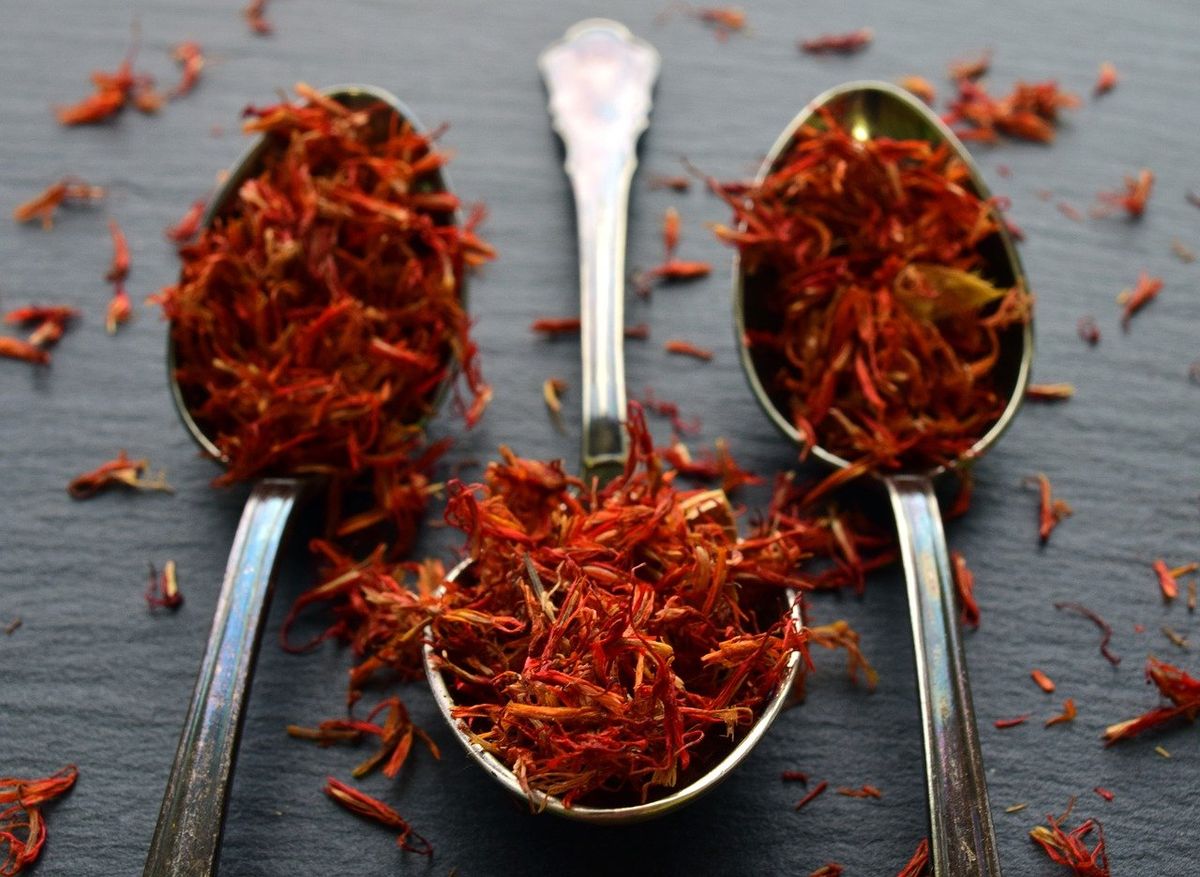
Native to Southwest Asia, the saffron plant belongs to the iris family (Iridaceae). It is a bulbous cultivated plant of the crocus genus that blooms in autumn and grows 20–30 cm (8–12 in) tall. It is most commonly used as a food coloring and flavoring spice.
Benefits
The benefits of saffron are truly endless. In addition to being used as a food coloring and flavoring, saffron also has a long history as a traditional remedy. Did you know that saffron is anticarcinogenic (cancer-suppressing)? Or that it is antimutagenic (mutation-preventing)? Thanks to its antioxidant and immunomodulatory properties, it is also used in modern medicine.
Furthermore, saffron is rich in antioxidant compounds, providing protection against oxidative stress. It can treat age-related cognitive decline and is known to help with memory loss. It inhibits the growth and spread of cancerous tumors. It is used in the treatment of inflammation. It has been found to benefit sexual health in both men and women. It strengthens the gums. It is known to be used in the treatment of certain respiratory conditions such as asthma. It supports the digestive system. It stimulates appetite. It helps relieve menstrual cramps. It treats ulcerative colitis and peptic ulcers. Its scent has a calming effect on people.
How Is It Used?
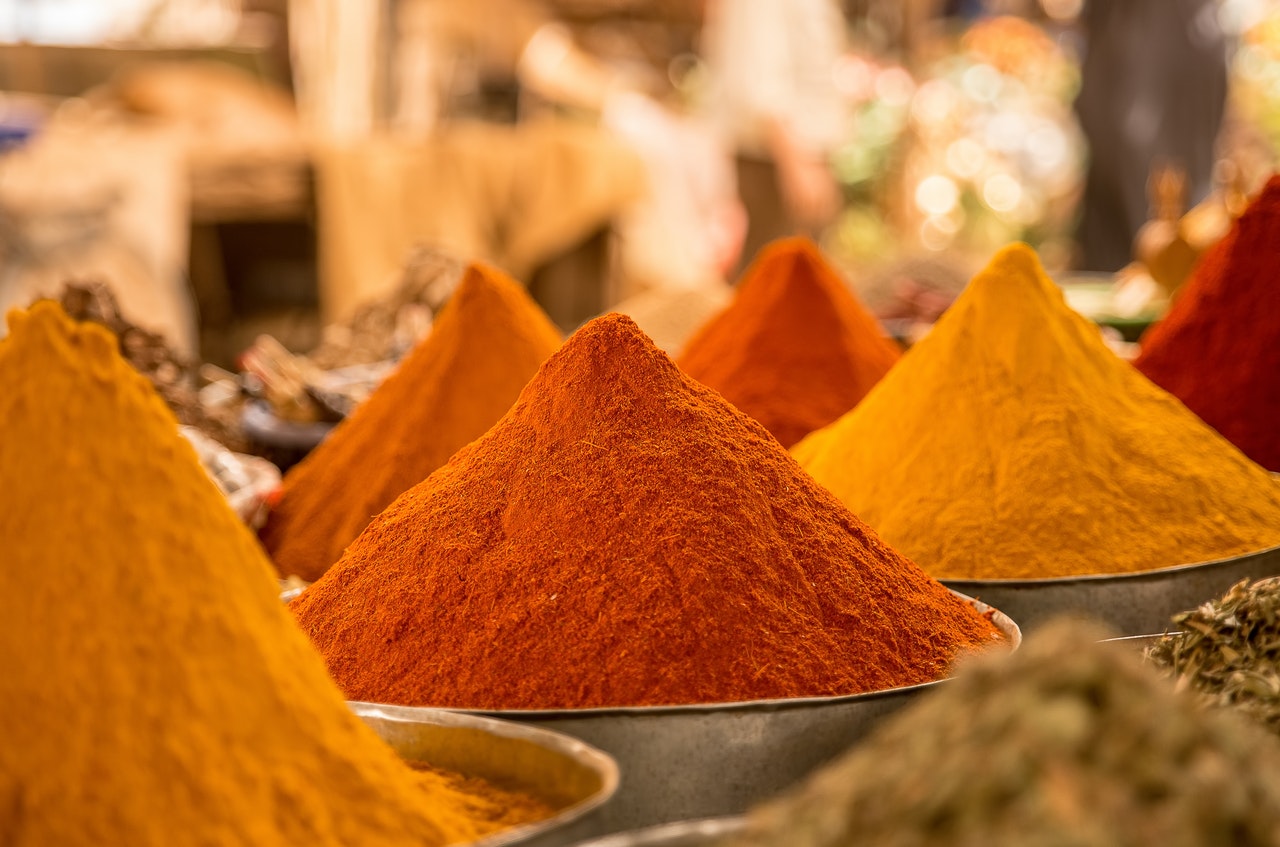
Researchers describe the scent of saffron as herbal or hay-like, while its color is likened to metallic honey. The taste of saffron is also slightly sharp and hay-like. It adds a vibrant yellow color to foods. Due to its unique flavor and the yellow hue it lends to dishes, it is widely used in Arab, Central Asian, European, Indian, Iranian, Moroccan, and Cornish cuisines. It is also used as a fabric dye and in perfumery in China and India.
Saffron Production and Price
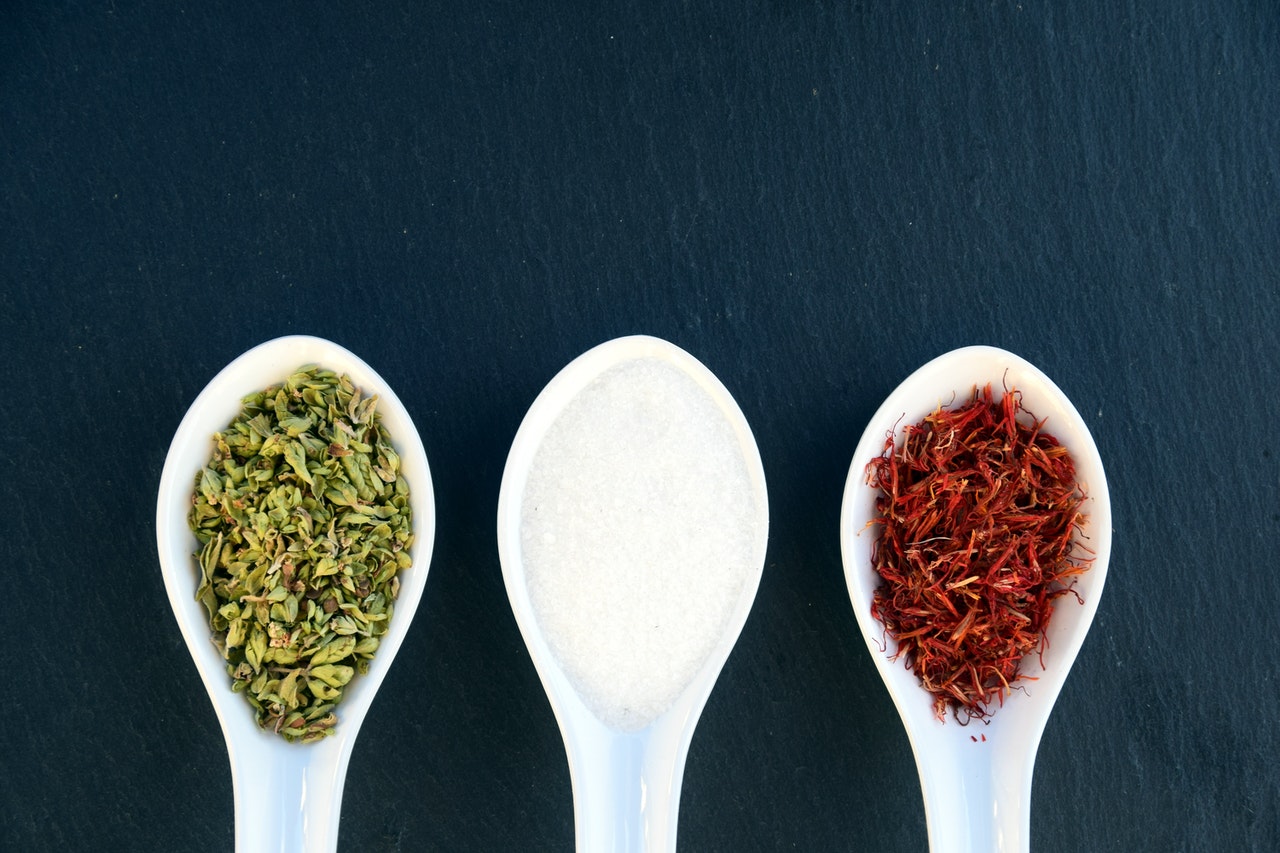
The plant is cultivated in a region stretching from the Mediterranean in the west to Kashmir in the east. Global saffron production is around 300 tons per year. Iran, Spain, India, Greece, Azerbaijan, Morocco, and Italy are among the most significant saffron-producing countries. To obtain just half a kilogram (about 1 lb) of dried saffron, between 55,000 and 80,000 flowers are required — an amount harvested from an area roughly the size of a soccer field. It takes forty days of round-the-clock work to harvest 150,000 flowers. The stigmas extracted from the flowers are dried immediately and stored in airtight containers. Now it becomes clear why saffron is so expensive. Saffron commands prices between $1,100 USD and $11,000 USD per kilogram. Its vivid crimson color and slight moisture are among the qualities that make fresh saffron truly exceptional.
Wishing you healthy days...