Foods That Boost the Immune System
Especially in the winter months, the same question crosses all of our minds: how do we get through this season without getting sick? The answer is simpler than you might think — it's on your plate. Our immune system works like an army, and that army's strength depends largely on the fuel it receives. Let's take a look together at which foods from our kitchen support this defense mechanism.


How Does the Immune System Work?
Our immune system, the body's protective shield, is actually a complex interconnected network. Imagine a security team constantly patrolling inside. This team identifies viruses, bacteria, and harmful organisms and neutralizes them.
We can say the system consists of two main branches. The first is innate immunity — like the first security guards standing at the door, they intervene immediately. The second is adaptive immunity. This part is a bit more specialized; it remembers threats it has encountered before and acts accordingly.
So what fuels this system? This is exactly where nutrition comes in. Vitamins, minerals, antioxidants... These are the energy source for your immune cells. If we don't eat a sufficient and balanced diet, our army grows weak.
Foods That Support Immunity
Now let's get to the main topic. Which foods strengthen our defense system?
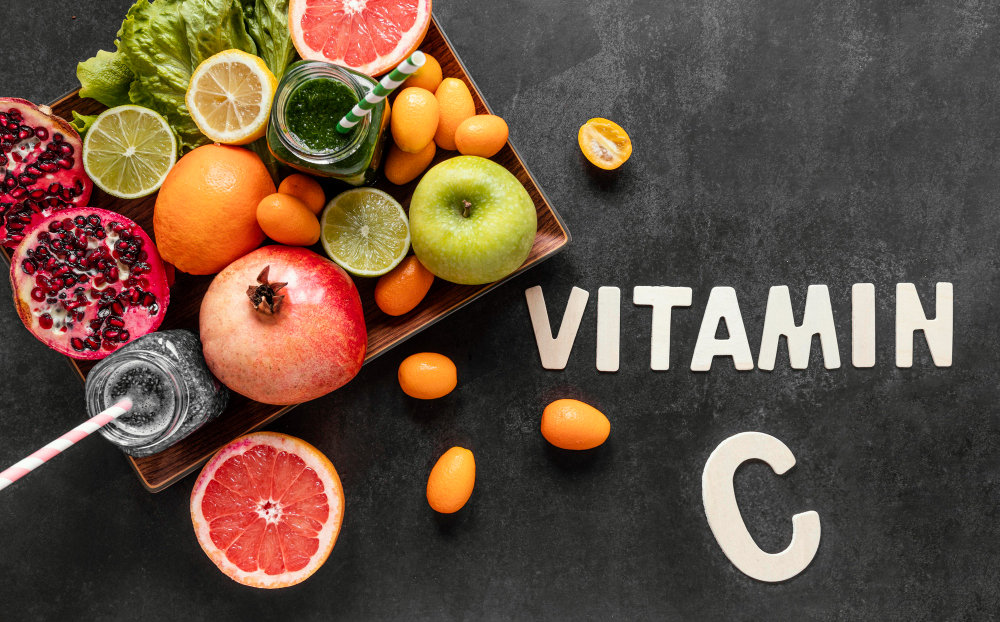
Foods rich in vitamin C
Oranges, tangerines... Everyone knows these, but broccoli and red bell peppers actually contain even more vitamin C. One medium red bell pepper can provide more than twice your daily requirement. Adding a little raw pepper to your breakfast may be more effective than orange juice.
Zinc-rich sources
Zinc is essential for the production of immune cells. Pumpkin seeds, chickpeas, lentils, and red meat are good sources. Even adding a handful of pumpkin seeds to your lunch makes a difference.
Vitamin D
We tend to be deficient during the winter months because we don't get much sun. Oily fish like salmon and mackerel are rich in vitamin D. Consuming fish 2–3 times a week is ideal. Egg yolks are also a great source.
Probiotic foods
There is a very strong link between gut health and immunity. Kefir, homemade yogurt, pickles, fermented vegetables... These feed the good bacteria in your gut. Taking probiotic support is especially important after using antibiotics.
Garlic and ginger
Both have a natural antibiotic effect. Swallowing a garlic clove on an empty stomach in the morning might sound intense, but it really does work. You can also consume ginger as a tea or add it to your meals.
Leafy green vegetables
Spinach, arugula, parsley... These are packed with antioxidants. They are also rich in folate and vitamin C. Try to include some greens in every meal.
How Should They Be Consumed in Daily Life?
The theory sounds great, but how do we put it into practice? Here are a few practical suggestions:

Morning routine
Start your day with a glass of warm water squeezed with half a lemon. Make sure breakfast includes a portion of protein — eggs, cheese, or nuts. Add colorful vegetables alongside. Tomatoes with peppers, cucumber... The more colorful, the better.
Lunch
Consume complex carbohydrates along with protein. Bulgur (cracked wheat) pilaf topped with chickpeas, served with plenty of salad. Don't forget to sprinkle a handful of seeds or walnuts over your salad.
Dinner
Opt for something light and easy to digest. Fish or chicken, steamed vegetables, and a small amount of whole-grain pilaf on the side. Heavy evening meals also tire out the immune system.
Snacks
Instead of sugary snacks, go for fruit, nuts, or a homemade smoothie. If you add banana and walnuts on top of a bowl of yogurt and drizzle with honey, you get a both delicious and nutritious snack.
Water intake
Let's not forget this. Drinking at least 2 liters of water a day is necessary for flushing out toxins and keeping cells functioning properly. Herbal teas count toward this amount as well.
Common Mistakes Made for Immunity
Sometimes the things we do with good intentions actually don't help us. Let's talk about a few common mistakes.

Relying too heavily on vitamin pills
Some people think "I take supplements, that's enough." No, no. Vitamin supplements can be supportive, but food should be the primary source. Your body absorbs vitamins from natural sources much more effectively. Use supplements under doctor supervision.
Only taking precautions when you're already sick
The "I got sick, time to take vitamin C" mindset doesn't really work. The immune system requires constant care. You need to eat regularly every day — not just during flu season.
Excessive sugar consumption
According to one study, consuming 100 grams of sugar can suppress the function of immune cells for hours. So don't overdo sweets. Try to satisfy your sweet tooth with fruit instead.
Neglecting sleep and stress
No matter how well we eat, if we don't get enough sleep and manage stress, our immunity declines. Nutrition alone is not enough — overall lifestyle matters.
Detox diets
So-called miracle methods like "cleanse your toxins in 3 days" actually shock the body. Our bodies already have natural detox mechanisms. What they need is balanced, regular nutrition.
Nutrition Tips for Seasonal Transitions
As the seasons change, our bodies go through an adaptation period. It's important to be a little more careful during these times.

Fall
As the weather starts to cool, focus on foods rich in vitamin C. Fresh pomegranate, quince, kiwi... These are right in season. It's the ideal time to build a protective shield against colds. Warm soups during this period both warm you up and nourish you.
Winter
The most challenging season. We get little sun and spend time in enclosed spaces. Consult your doctor about vitamin D supplementation. Eat oily fish frequently. Ginger tea, cinnamon drinks... You'll warm up and get antioxidants at the same time.
Don't leave dried legumes off your table. Lentil soup (Mercimek Çorbası), beans, chickpeas... These are a storehouse of both protein and minerals. Use olive oil generously — it is very valuable in terms of omega-3.
Spring
Turn to fresh greens to fight spring fatigue. Arugula, mint, parsley... Fresh vegetables start appearing at the market — take advantage of them. The natural method for those who feel they need a detox: plenty of water, leafy greens, and light meals.
Summer
Appetite may decrease in the heat, but the body's needs continue. Eat fruits with high water content — watermelon, cantaloupe, peaches. Increase the variety of your salads. Opt for light and frequent meals. Synthesize vitamin D by benefiting from sunlight, but avoid the midday heat.
Rules that apply to every season
Eat what is in season. Nature already provides what you need in that season. Citrus fruits in winter, cooling vegetables in summer... This is no coincidence. Local and seasonal produce is both fresher and more nutritious.
Don't neglect drinking plenty of fluids — in summer your body loses water through sweat, and in winter through dry air. Exercise regularly, regardless of the season. Movement speeds up blood circulation and makes it easier for immune cells to travel through the body.
In conclusion, there is no magic formula for strengthening the immune system. Balanced nutrition, plenty of water, adequate sleep, regular movement... They all work together. Keep your plate colorful, stay away from processed foods, and choose what's natural. Your body will thank you — especially during flu season, you'll notice the difference.
Medical Disclaimer
This content is for general informational purposes only and does not substitute for medical advice. Recommendations regarding nutrition and the immune system may produce different results from person to person. If you have any health condition or regularly use medication or supplements, it is recommended that you consult a healthcare professional before changing your dietary habits.