What Is Stress Eating? Why Do We Eat More When We're Stressed?
Stress eating is one of the most common behavioral patterns in modern life. But why do we tend to comfort ourselves with food during stressful moments? Let's explore the scientific and psychological answers to this question together.

A work email that arrives out of nowhere in the middle of the day, an argument that never seems to end, or that moment you realize your to-do list just isn't getting any shorter... And then you find yourself standing in front of the refrigerator. You weren't actually hungry, but there was a need to eat something inside you. This is stress eating in its most recognizable form.
What Is Stress Eating?
Stress eating is a sudden, uncontrolled urge to eat that arises during moments of emotional tension, anxiety, or pressure. This behavior manifests more as an emotional response than a physiological need. Even when our body has no energy deficit, our brain turns to food in search of relief.
Eating behavior in response to stress can vary from person to person. While some people experience a loss of appetite during stressful times, many others tend to consume far more food than usual. This is also known as emotional eating or comfort eating, and it typically involves turning to specific food groups.
This behavior is observed more frequently in the presence of stressors such as an intense work pace, relationship problems, financial worries, or unexpected life changes. While stress eating may seem to provide short-term psychological relief, it can negatively affect both our physical and emotional health in the long run.
Differences Between Stress Eating and Physical Hunger
Understanding the difference between true hunger and emotional eating is the first step to dealing with stress eating. Physical hunger develops gradually and is a natural result of the body's energy needs. It manifests through signs like a growling stomach, low energy, and mild dizziness. With this type of hunger, healthy foods also tend to be appealing, and a sense of fullness is easily noticeable after eating.

Stress eating, on the other hand, operates through an entirely different mechanism. It surfaces as a sudden and urgent desire to eat. The feeling of "I need to eat something right now" becomes overwhelming. There is typically a focus on specific foods — especially sugary or fatty snacks. Chocolate, chips, and cookies become far more tempting in these moments.
Another key difference in emotional eating is the disappearance of the sense of fullness. A person may continue eating even when physically full, because the goal is not to satisfy hunger but to achieve emotional comfort. After eating, feelings of guilt, regret, or disappointment commonly follow — something that does not happen with physical hunger.
The emotion triggering stress eating is usually different from hunger: boredom, sadness, anxiety, anger, or loneliness often lie beneath this behavior. Physical hunger, however, arises independently of any emotional state and disappears completely once you've eaten.
Causes of Stress Eating
There are multiple biological and psychological reasons behind stress eating. Chief among them is the stress hormone known as cortisol. During stressful situations, our body releases cortisol, and this hormone has an appetite-stimulating effect. When cortisol levels rise, cravings — especially for high-calorie, energy-dense foods — increase. This is an evolutionary result of our body trying to store energy in the face of perceived danger.
Habits also play an important role in stress eating. Individuals who associated emotional moments with food during childhood tend to repeat similar patterns in adulthood. For example, a child who was rewarded with sweets when upset may turn to sweets during moments of sadness as an adult.
Psychological triggers are related to a person's coping mechanisms for stress. Food offers an easily accessible and quick method of relief. Especially for people who have not developed other coping strategies, food becomes the default solution. Additionally, the taste, smell, and texture of various foods provide sensory comfort and temporarily distract us from the source of stress.
Social and environmental factors can also reinforce this behavior. Having snacks constantly available in the workplace, and shared behaviors like "grabbing something to eat to unwind" after stressful meetings, are elements that normalize stress eating.
Why Do We Crave Sweets and Junk Food When Stressed?
Our brain's reward system is the primary reason we gravitate toward certain types of food during stressful moments. When we consume sugary and high-fat foods, a neurotransmitter called dopamine — known as the "happiness hormone" — is released in the brain. This hormone creates a temporary feeling of pleasure and relief. Our brain learns this quick reward and begins turning to the same foods again during stressful situations.
Sweet foods rapidly raise blood sugar and deliver a sudden burst of energy. The brain under stress finds this quick energy source appealing because it feels tired and depleted. However, this effect is temporary; when blood sugar drops quickly, energy levels fall too, and the urge to eat arises again.
The crunchy texture and intense aroma of junk food also provide sensory comfort. Even the act of chewing can reduce stress, as it eases muscle tension and diverts our attention. These foods are also generally convenient — they require no preparation and can be consumed quickly. During stressful moments, they offer an immediately accessible solution instead of having to prepare a complex meal.
Interestingly, when stress is prolonged, these preferences become even more pronounced. People experiencing chronic stress may lose interest in healthy foods and continuously gravitate toward high-calorie, processed foods. This creates a vicious cycle: stress eating leads to weight gain and health problems, which in turn become additional sources of stress.
Does Stress Eating Cause Weight Gain?
Whether stress eating leads to weight gain depends on the frequency, quantity, and foods chosen. Occasional snacking during stressful moments may not create a significant change within an overall balanced diet. However, when stress eating becomes a habit and occurs regularly, weight gain becomes inevitable.

The foods preferred during stressful times are generally high in calories, sugar, and fat. Even small portions of these foods contain a great deal of energy. For example, a handful of chips or a few pieces of chocolate can provide 200–300 calories. When repeated several times throughout the day, these kinds of snacks significantly increase daily calorie intake.
Another important aspect of stress eating is that it disrupts regular mealtimes. Even people who feel full during normal meals may feel the urge to eat again during stressful moments. This means the body is taking in extra energy it doesn't need. Furthermore, physical activity levels generally decrease under stress, so the extra calories consumed are not burned and are stored as fat.
On the other hand, it should be noted that stress eating doesn't always lead to weight gain. Some people experience a loss of appetite under stress and may actually lose weight. However, when stress-related eating behavior becomes persistent, metabolic changes also come into play. When cortisol levels remain elevated for an extended period, fat accumulation — especially around the abdominal area — increases, creating health risks.
Ways to Cope With Stress Eating
The first step to coping with stress eating is mindfulness. Asking yourself "Am I actually hungry, or am I just feeling stressed?" helps you distinguish emotional eating from physical hunger. When the urge to eat strikes, waiting a few minutes, taking deep breaths, or drinking a glass of water can heighten this awareness.
Developing alternative coping strategies is also highly effective. In moments of stress, identify activities other than eating that can help you relax: a short walk, listening to music, talking with a friend, keeping a journal, or doing breathing exercises. These alternatives teach your brain that there are ways to find relief beyond food.
Regular meal times and balanced nutrition play a foundational role in preventing stress eating. When you eat regular meals that keep your blood sugar stable, sudden cravings during stressful moments decrease. Balanced meals containing protein, fiber, and healthy fats provide long-lasting satiety.
Organizing your environment can also help. Removing unhealthy snacks from easily accessible places at home and at work makes automatic eating during stressful moments more difficult. Putting healthier options front and center makes it easier to make better choices.
Being compassionate toward yourself is also important. Instead of blaming yourself when you stress eat, acknowledge what happened and decide to try a different approach next time. Remember that making progress in small steps leads to sustainable change over the long term.
Don't hesitate to seek professional support. If stress eating is seriously affecting your quality of life, working with a dietitian or psychologist can help you understand the underlying causes and develop effective strategies.
Healthier Snack Ideas for When You're Stressed
Giving up snacking entirely during stressful moments may not be realistic. Instead, turning to healthier options nourishes both your body and your mind. Here are some practical and balanced snack suggestions:
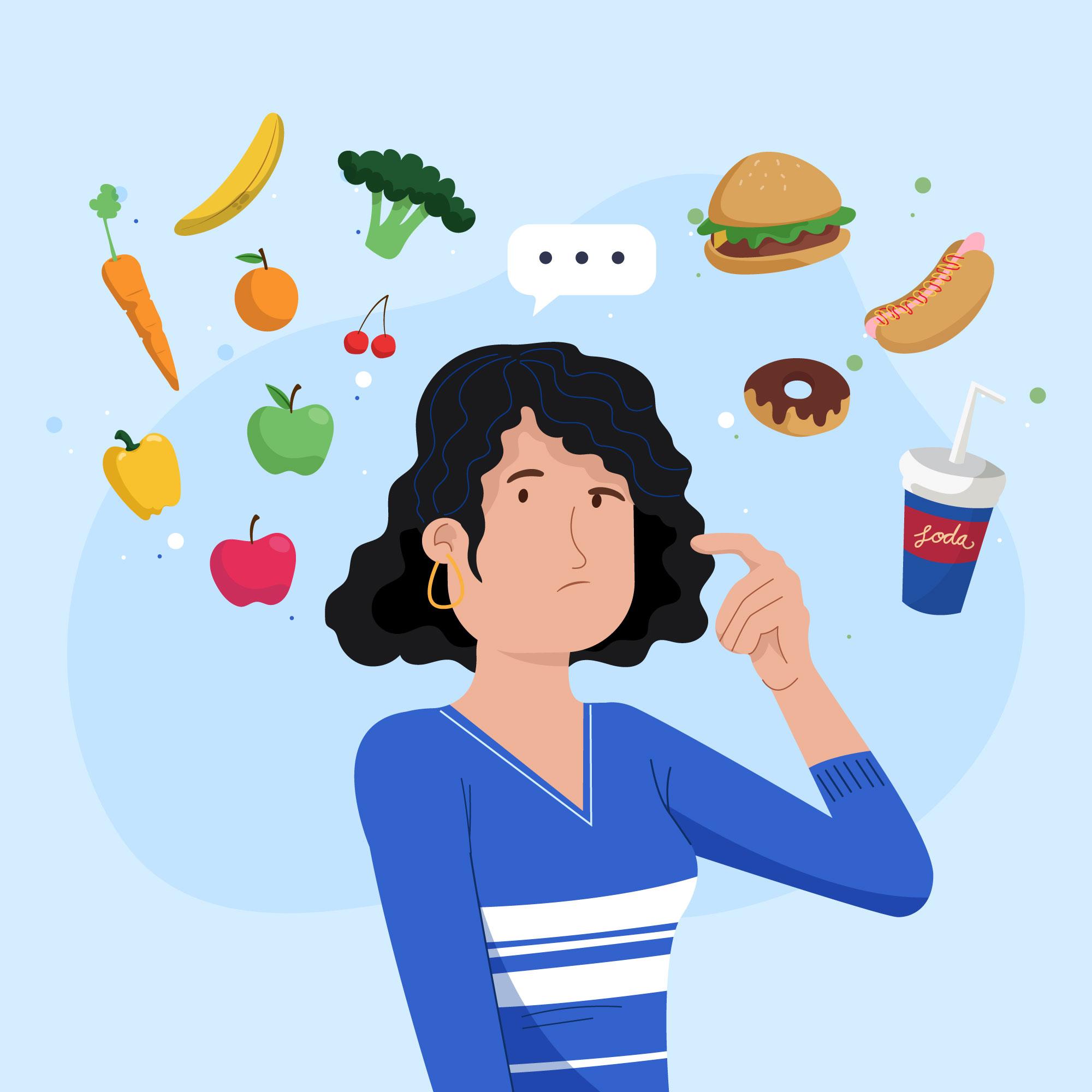
Nuts provide long-lasting satiety thanks to their natural fat and protein content. A handful of almonds, walnuts, or hazelnuts is both filling and beneficial for brain health. However, it's important to pay attention to portion control.
Fresh fruits satisfy your sweet cravings with their natural sugar content while providing fiber, vitamins, and minerals. Fruits like bananas, apples, grapes, or strawberries are both convenient and healthy options. Consuming a handful of nuts alongside fruit helps keep blood sugar more balanced.
Fermented dairy products such as yogurt or kefir support gut health with both their protein and probiotic content. You can add a bit of fruit or honey to enhance the flavor.
Vegetable sticks are low in calories and rich in fiber. Consuming vegetables like carrots, cucumbers, or celery alongside hummus or a yogurt-based dip offers both a crunchy texture and a satisfying snack.
Whole grain crackers or crispbreads, when eaten with cheese or avocado, make a balanced snack. They slow digestion and provide sustained energy.
Dark chocolate, consumed in small portions, satisfies your sweet craving while also providing antioxidants. Opting for chocolate with 70% or higher cocoa content is the healthier choice.
Homemade smoothies can be prepared with fruit, vegetables, yogurt, and seeds. They are both convenient and nutritionally rich. Smoothies containing spinach, banana, and blueberries in particular are both delicious and nourishing.
Preparing these healthy alternatives in advance and keeping them in easily accessible places makes it easier to make more mindful choices during stressful moments. Remember, the goal is not to punish yourself, but to make choices that better support your body and mind.
While stress eating may seem like an inevitable part of modern life, it is possible to understand the underlying mechanisms and develop healthier strategies. Being patient and compassionate with yourself will be your most valuable companion on this journey.