9 Amazing Foods to Fight Your Fall Allergies
If fall is triggering your allergies, there are foods you should eat and foods you should avoid. Here are 9 anti-allergenic foods that will help reduce your symptoms!

Fall has arrived — and it's almost over! Seasonal temperatures are shifting compared to previous years; now the yellow and red leaves begin to fall in October and continue into November. The warm summer air has already started giving way to cool winter evenings. But if the arrival of fall is triggering your allergies and you're wishing the season would end as soon as possible, there are certain foods you absolutely should be eating — and others you should definitely avoid!
This year, climate change causing higher temperatures and rising carbon dioxide levels has allowed pollen-producing plants to live longer and produce more pollen. Because of this, the American Academy of Allergy, Asthma and Immunology says pollen production will be higher than usual this year, and rather than ending in September as normally expected, it will continue through the end of fall.
Of course, this doesn't mean you're doomed to suffer more from your allergic reactions. Certain foods you eat — or don't eat — can help reduce these allergic reactions or trigger them further. Here are 9 anti-allergenic foods that will help reduce your symptoms!

Broccoli: Rich in vitamin C, which helps ease allergic reactions, this wonderful food also supports sinus clearance and helps your body feel relief. Research shows that 500 mg of vitamin C per day helps alleviate allergic reactions — and just 1 water glass (about 200 ml / 3/4 cup + 1 tbsp) of raw broccoli contains 80 mg of vitamin C. If you want to increase your vitamin C intake, you can also benefit from the power of zucchini or cauliflower. Both contain 56 mg of vitamin C per 1 water glass of cooked serving!
Kale: Like broccoli, kale is a member of the cruciferous vegetable family and contains high levels of vitamin A from carotenoids. Vitamin A is known to help ease allergic reactions, and multiple studies show that people with low vitamin A stores are more prone to asthma and allergic diseases. So don't wait — start eating kale right away to say "stop" to your allergies!
Onion and Garlic: Quite effective in fighting allergic reactions, onions and garlic owe their anti-histamine power to the quercetin they contain. Acting similarly to vitamin C and helping to suppress inflammation, onions and garlic containing this wonderful compound can be especially useful for combating severe fall allergies.
Dark Leafy Green Vegetables: Did you know that dark leafy green vegetables can also fight allergic reactions? The darker the leaves, the higher their carotenoid content. However, there are a few things to keep in mind when consuming these vegetables. To allow your body to benefit as much as possible from high-fiber vegetables like dark leafy greens, you should take care to cook them for at least 20 minutes and no more than 1 hour. During cooking, some vitamins will pass into the cooking water. If you like, you can use this vitamin-rich water in stews or soups.
Butternut Squash: Just like dark leafy green vegetables, butternut squash is rich in vitamin A — a carotenoid that fights allergic reactions. You can use butternut squash in desserts as well as main dishes.
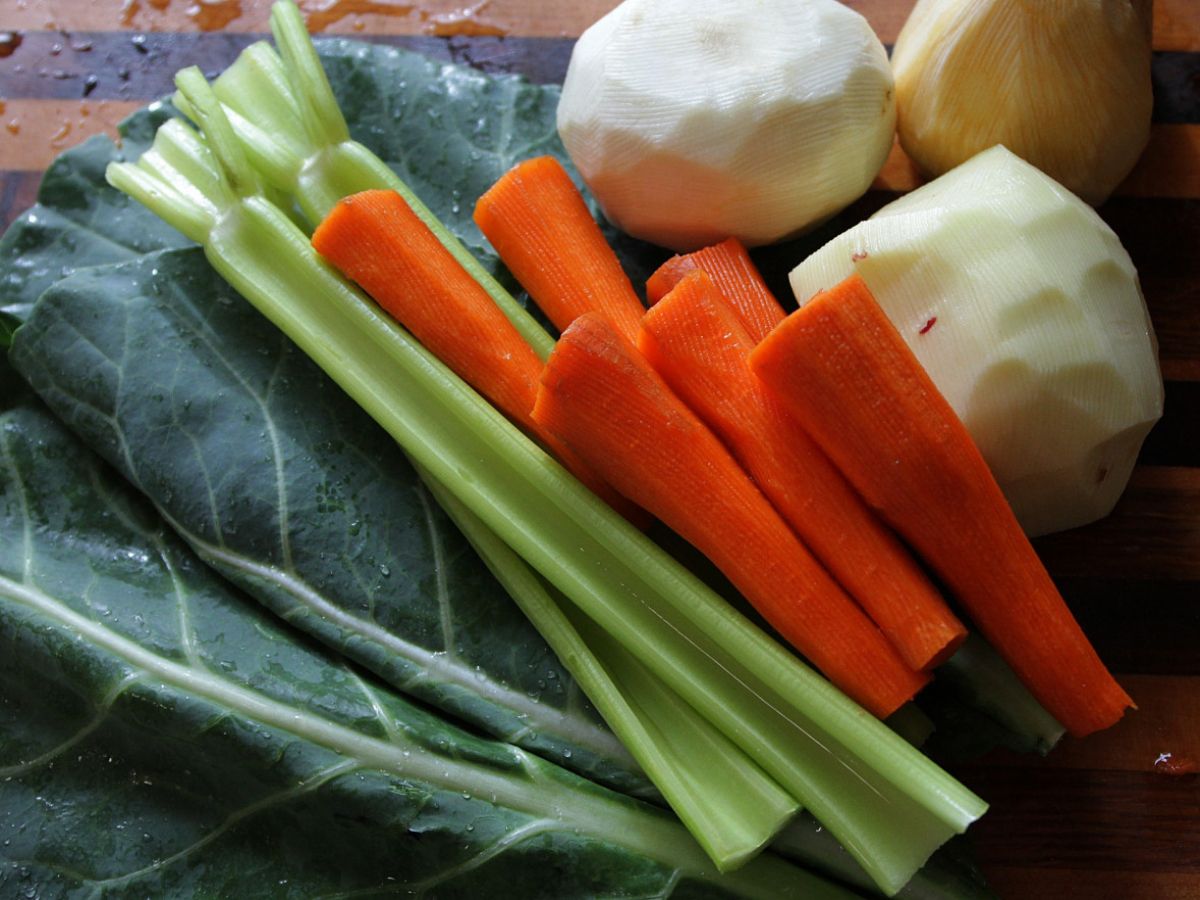
Carrots: Looking for another superfood rich in carotenoids? Try carrots! To get the most benefit from the vitamin A in this food, which will help ease your allergy symptoms thanks to its high beta-carotene content, opt for boiled carrots or carrots lightly sautéed in a little olive oil rather than eating them raw.

Stinging Nettle: Stinging nettle is more helpful not for preventing allergic reactions, but for suppressing symptoms once they develop. This unique plant contains histamine — the same chemical your body produces during allergic reactions — and thus helps increase your body's tolerance to it. During the acute treatment of allergic reactions, you can consume 1 or 2 cups of stinging nettle tea per day. Since long-term use of stinging nettle can deplete your potassium stores, it is better to use this plant only to ease your allergic reactions.
Celery: Celery not only helps you enjoy a healthier and happier seasonal transition thanks to its high vitamin C content and anti-allergenic properties, but it also helps you overcome problems such as high blood pressure and chronic pain. This is the one vegetable from which you can benefit nutritionally whether eaten raw or cooked! When using it, don't forget to include the celery leaves in your recipes too. Celery leaves, which you can easily use in soups, stews, or salads, also contain vitamin C.
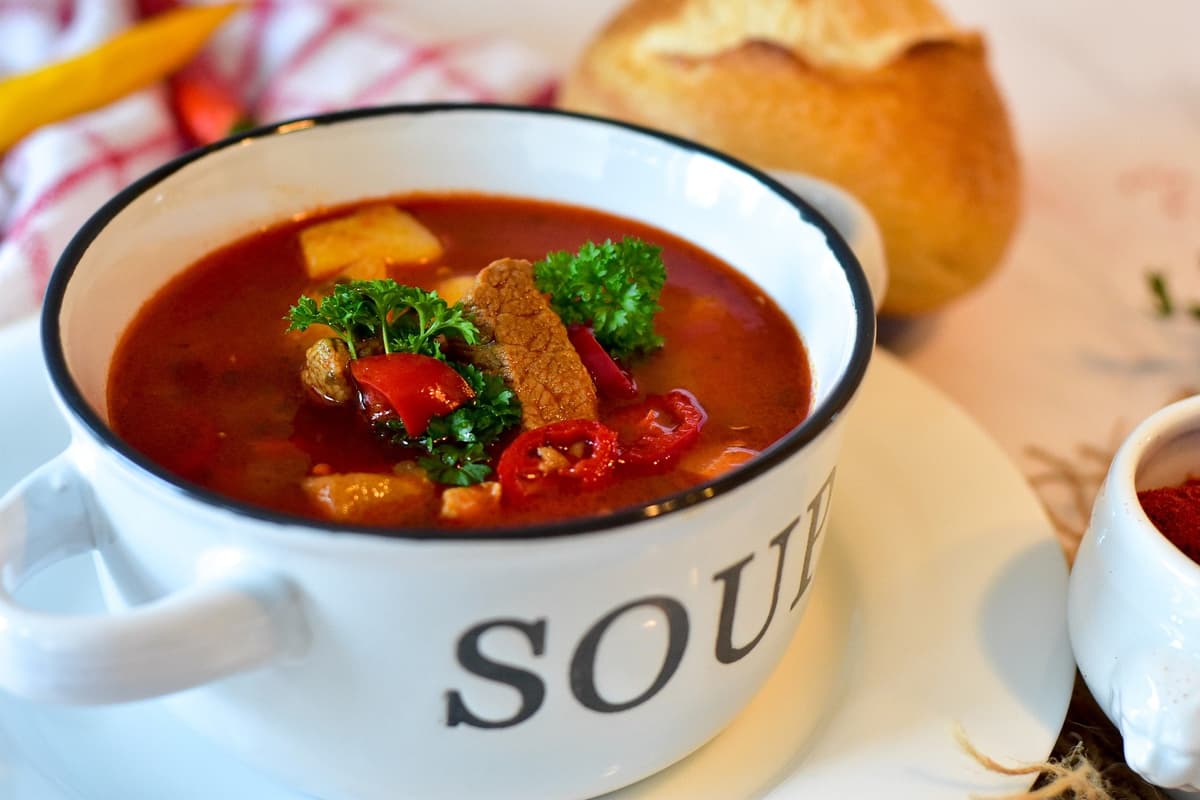
Anti-Allergenic Soup
There's nothing like a bowl of soup when you're feeling a little under the weather! Just as there's a soup that makes you feel better when you have the flu, there's also a soup you can eat to feel better when your allergy symptoms worsen!
Ingredients:
- 1 onion (with skin on)
- 1 clove of garlic
- 1/2 water glass (about 100 ml / 1/3 cup + 1 tbsp) of primrose leaves and roots (chopped)
- 1 water glass (about 200 ml / 3/4 cup + 1 tbsp) of stinging nettle leaves
- 1 water glass (about 200 ml / 3/4 cup + 1 tbsp) of celery stalk (diced)
Preparation:
Boil the onion, garlic, and primrose leaves and roots in some water. After about 5 minutes, add the stinging nettle leaves and celery stalks and continue boiling for another 5–10 minutes. Once you've made sure everything is thoroughly cooked, remove the onion skin and enjoy your soup. You can season your soup with spices such as black pepper, Aleppo pepper flakes, curry, and turmeric.
What Should I Avoid?
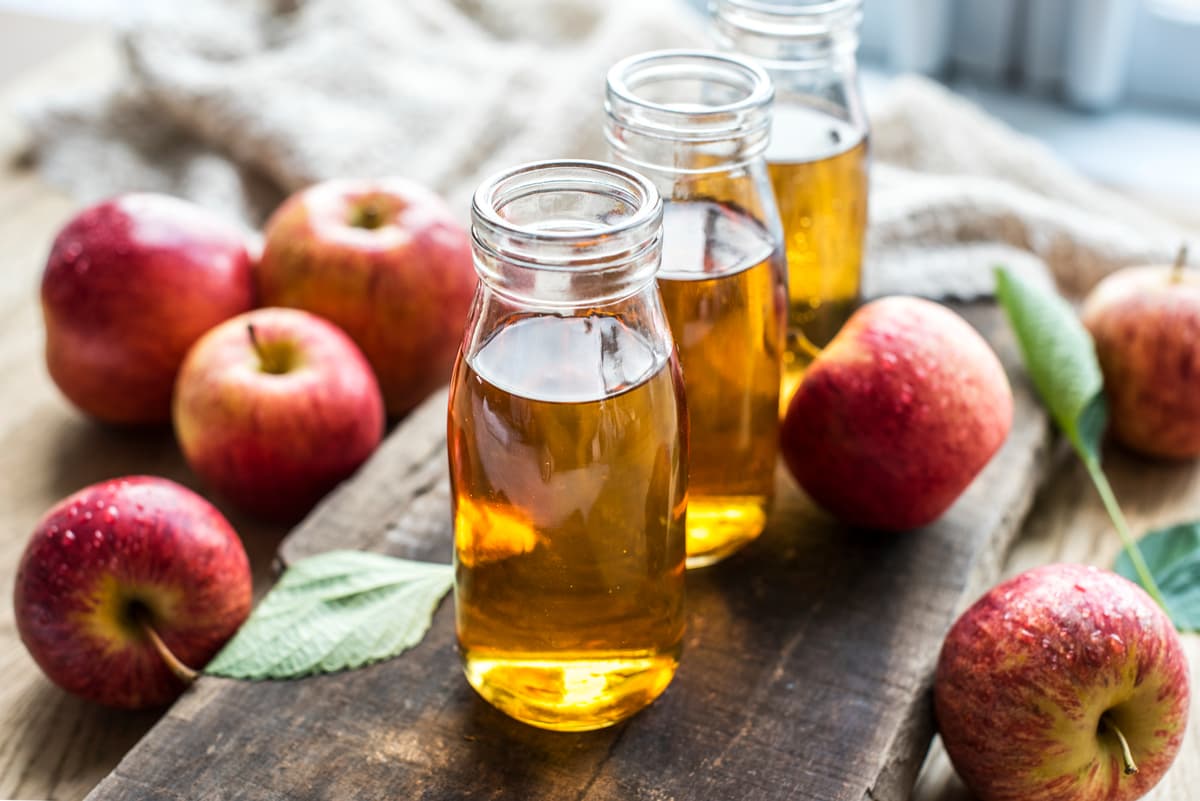
Of course, just as some foods help ease allergic reactions, others can make them worse. This is known as "oral allergy syndrome" and occurs when the proteins in certain foods you eat are the same as the allergenic proteins triggering your reaction. However, cooking these foods can help neutralize the proteins inside them and thus prevent allergic reactions. If you suffer from fall allergies, you should be sure to cook the following before consuming them: apples, bananas, cantaloupe, cucumber, zucchini, chamomile tea, echinacea, honey, and nuts such as hazelnuts, almonds, and walnuts.