Tips for Storing Food in the Freezer
What should you watch out for when storing food for winter? Which foods stay fresh under what conditions, and for how long? Gökhan Taşpınar, Instructor at Altınbaş University's Gastronomy Department, explains...
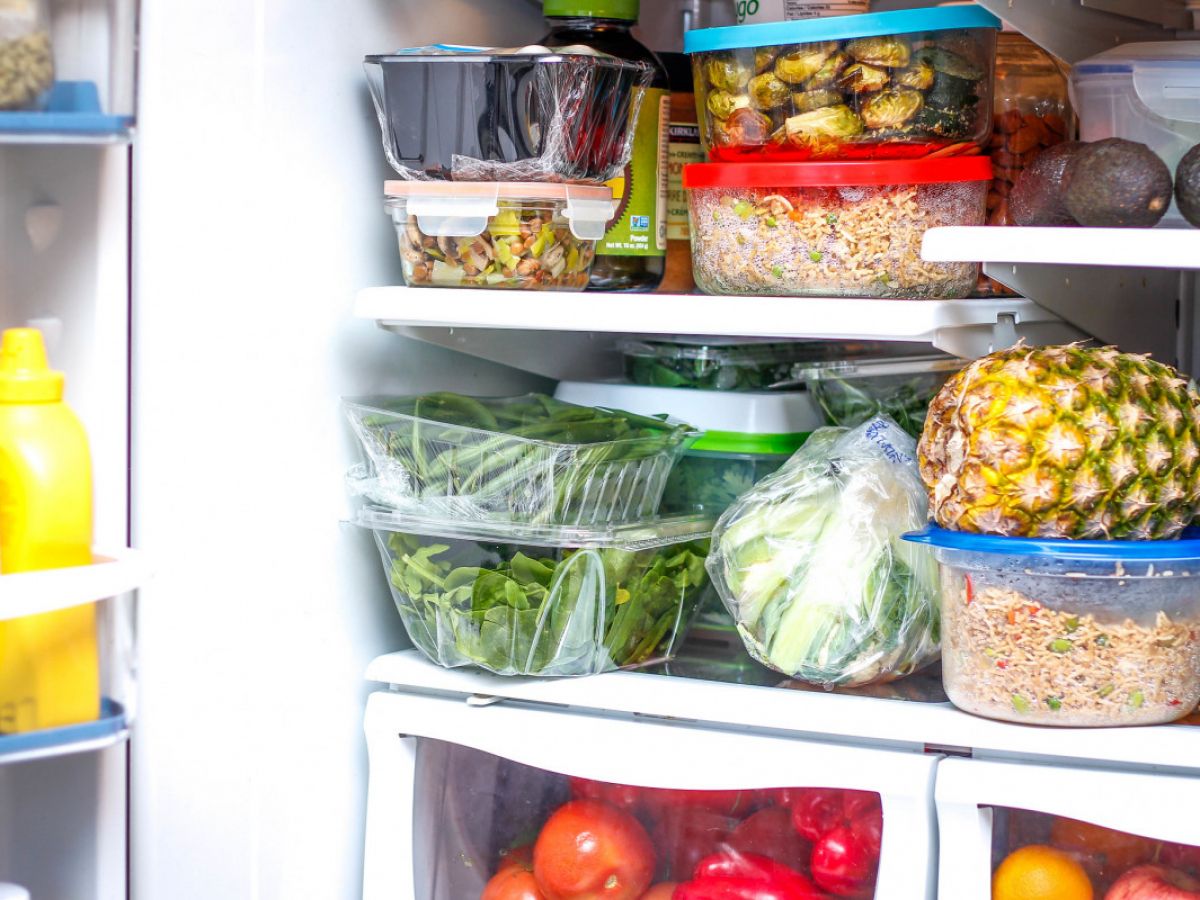

Which foods can be stored in the freezer, how, and for how long?
Tips for safely storing food for winter
As summer arrives and fresh fruits and vegetables become abundant, produce is enjoyed at its freshest — while at the same time being preserved under the right conditions for consumption throughout winter. The tradition of storing winter provisions, practiced across Anatolia for centuries using a variety of methods, has become even easier thanks to today's deep-freezing technology, which allows food to be kept for extended periods. But what should you pay attention to when storing food for winter to ensure healthy consumption? Which foods retain their freshness and nutritional value under what conditions, and for how long? "Fresh, single-use packages should be prepared." Gökhan Taşpınar, Instructor at the Gastronomy Department of Altınbaş University, answered the most frequently asked questions about storing food for winter...
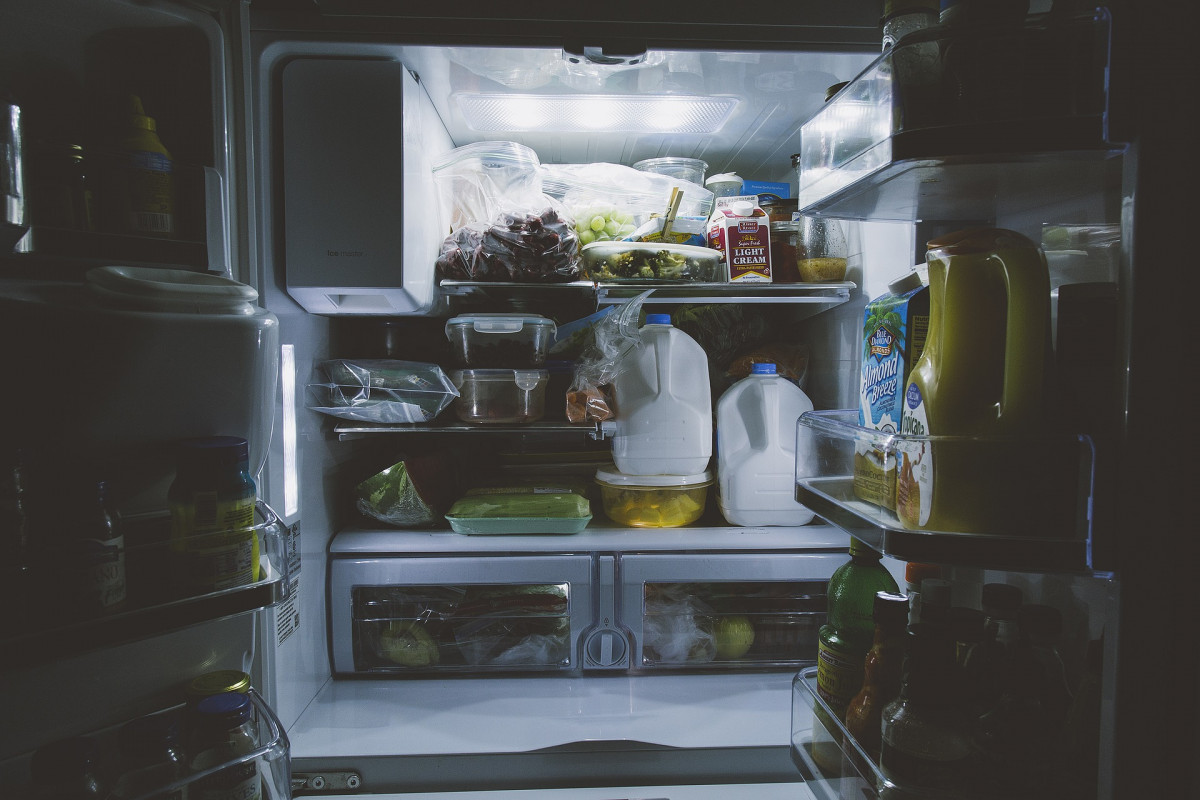
First warning that the product to be frozen must be fresh, Taşpınar noted that the freezing process will partially halt enzyme activity and bacterial growth in the food, but that spoilage will continue — albeit very slowly. Taşpınar said: "The higher the quality of the product we freeze, the higher the quality of the product we will get after the thawing process. Products should be packaged in single-use portions for freezing. A product should not be refrozen after it has been thawed."
How to store meat, fish, chicken, vegetables, and fruit?
Emphasizing that plastic or aluminum foil, plastic bags, sealed aluminum containers, special wax-lined containers, or durable plastic and glass containers should be used to store frozen foods, Taşpınar shared the following information:
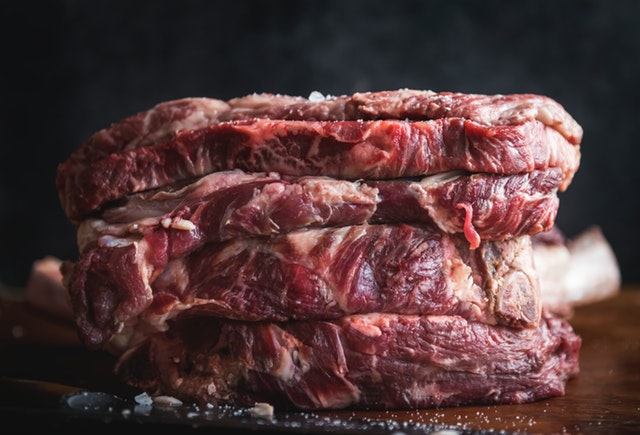
- If red meat has just been freshly cut, it can be rested in the refrigerator for 1 week before freezing; if purchased from a butcher, it can be frozen immediately. Fatty cuts of meat can be frozen as ground meat, while leaner portions can be frozen in individual servings or whole. Red meat can be stored in the freezer for 6–12 months.
- Poultry such as chicken can be kept in the refrigerator overnight before freezing. It has an average shelf life of about 7–8 months.
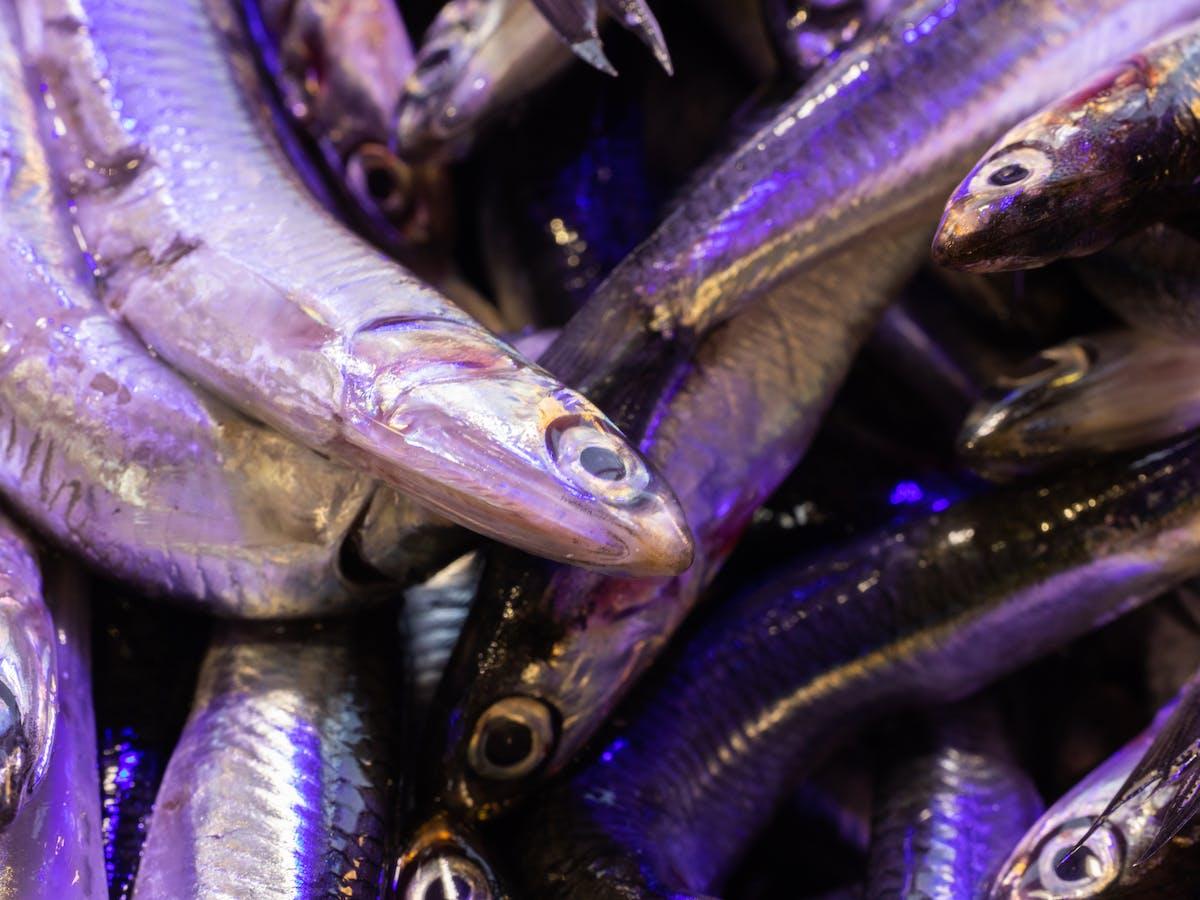
- After cleaning the organs from fish, they are first frozen on a non-stick surface for a while, then held by the tail and dipped head-down into ice water so that a layer of ice forms around them — and then frozen in that state. This process is called glazing, and fish stored this way can comfortably be kept for 4–6 months.
- Deli meats can be well-packaged and frozen for about 1–2 months.
- Attempting to freeze dairy products is risky.
- To freeze fruits, first select ripe, unblemished ones. Remove the pits from stone fruits. Fruits such as bananas, peaches, and melon should be peeled, sliced, and then frozen. Before freezing fruits, we need to dip them in sugar water or lemon water. Fruits that brown quickly, such as apples and pears, should also be sliced before freezing, sprinkled with sugar, and frozen that way. Fruits stored in this manner can last for 10–12 months.
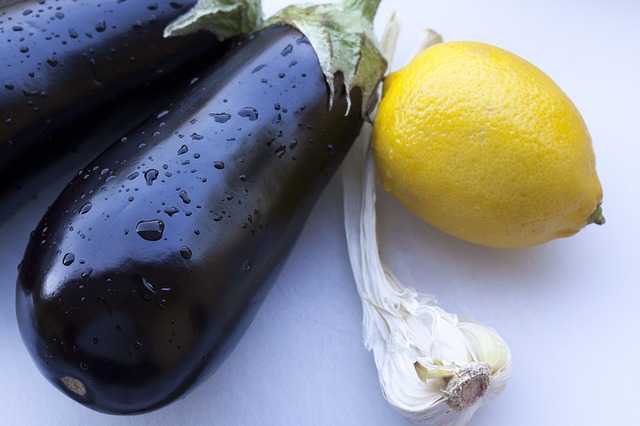
- Vegetables such as eggplant and green beans can be boiled for 2–3 minutes, plunged into cold water to cool, and then frozen. They can be preserved for an average of 8–10 months.
Thaw in the refrigerator!
Noting that the loss of nutritional value that occurs during the freezing process is negligible in terms of the product's long shelf life, Gökhan Taşpınar also drew attention to important points to keep in mind when thawing frozen foods. Saying "The most important rule is to thaw in the refrigerator compartment," Taşpınar explained: "Thawing at room temperature creates a favorable environment for many types of bacteria to multiply. Products should be frozen in individual portions. A product that has been thawed should not be refrozen. There is absolutely no difference in terms of cooking between a fully thawed product and a fresh one."