For These Foods, Frozen Is Healthier Than Fresh
Fruits and vegetables are wonderfully healthy when eaten in season, of course! But there are 4 foods where the frozen version is far more nutritious. Which ones? Read on to find out…


Why frozen food? What happened to eating vegetables and fruit fresh off the vine? There are plenty of questions like these swirling around — and fair enough! However, when these four foods are frozen, their vitamin and mineral content multiplies significantly. For everything else, if you can get it fresh and organic straight from the source, by all means keep doing that. But do give this article a read…
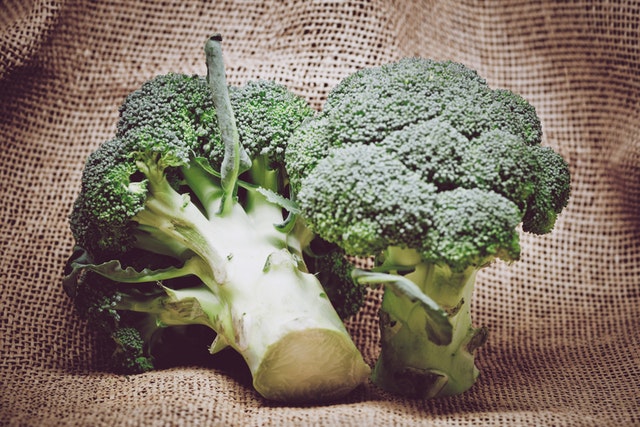
Broccoli: A Cancer Fighter!
Experts agree that this beta-carotene-rich food should be consumed frequently — and that even drinking its cooking water can have incredible benefits for the body. Thanks to beta-carotene, a powerful cancer fighter, it is possible to help prevent certain types of cancer such as stomach, intestinal, and esophageal cancers. Broccoli, which thrives in cold and cool climates, is also an extremely important vegetable for replenishing iron and mineral deficiencies in the human body.
Broccoli is also a highly significant source of fiber and vitamin C. It also contains potassium, B6, and vitamin A, which work together to strengthen the body's immune system while supporting digestive, heart, and vascular health.
Independent research conducted in the United Kingdom shows that flash-frozen broccoli contains higher levels of vitamin C and lutein — and four times more beta-carotene — compared to fresh broccoli purchased from supermarket shelves.
Blueberries: Little Blue Protectors!
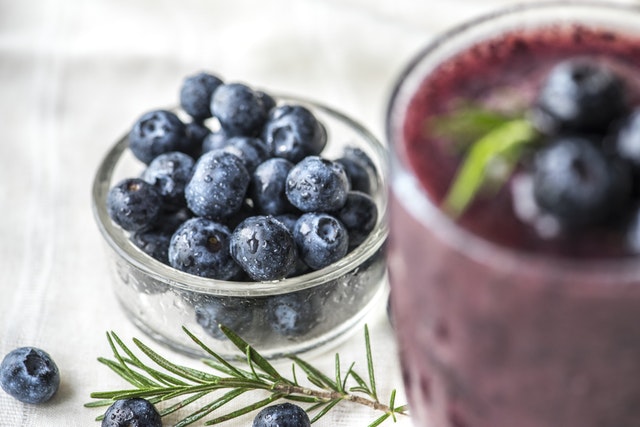
Blueberries are a rich source of antioxidants that neutralize free radicals, strengthen the immune system, and help prevent infections and disease. In addition, blueberries are highly effective for eye health due to their ability to reduce inflammation. They also have the ability to strengthen capillaries, thin the blood, and stimulate the release of vasodilators.
A study conducted at a university in the United States examined blueberries in both frozen and unfrozen states. It was observed that frozen blueberries better preserved and activated disease-fighting antioxidants. These antioxidants come from compounds called anthocyanins. The flash-freezing process allows ice crystals to break down the structure of these compounds, making the anthocyanins more bioavailable to our bodies.
Carrots: A Beta-Carotene Powerhouse!
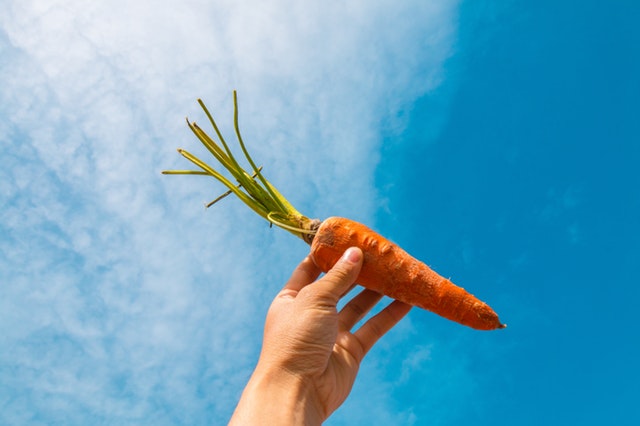
Carrots are a wonderful antioxidant storehouse thanks to their beta-carotene and fiber content. They are also very rich in vitamins A, C, K, and B8, as well as pantothenic acid, folate, potassium, iron, copper, and manganese. Their benefits range from lowering cholesterol and reducing the risk of heart attack, to preventing certain cancers, protecting eye health, and reducing signs of premature aging. On top of all this, carrots also have the ability to improve skin health, strengthen the immune system, prevent digestive issues, maintain cardiovascular health, and detoxify the body.
According to studies conducted in the United Kingdom, frozen carrots have been proven to contain significantly higher levels of vitamin C and polyphenols compared to carrots bought from the grocery store — with three times more lutein and twice as much beta-carotene.
Spinach: A Superfood Hero!
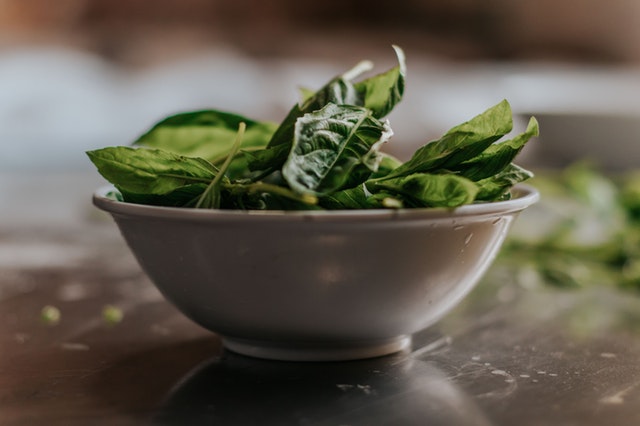
Spinach is an extremely rich source of vitamins A, K, E, C, and B, as well as manganese, magnesium, calcium, and iron. It boosts metabolism and helps block the formation and growth of cancer cells. It is also known to reduce the likelihood of Alzheimer's disease. In short, it's something of a superfood!
Unfortunately, these nutritional values begin to decline as soon as spinach is harvested. A study by the University of California found that spinach stored at room temperature loses nearly 100% of its nutritional value in under four days. For this very reason, it is more beneficial to buy and consume frozen spinach — because frozen spinach retains a higher nutritional value.
Wishing you healthy days ahead…