You Can Get nFit Before Ramadan Is Over!
Special recipes, curated menus, and expert tips for those who want to lose weight during Ramadan. Written by Expert Dietitian Merve Tığlı Çınar.

This year, the fasting period during the month of Ramadan is approaching 16 hours. I'd recommend taking a look at my suggestions below to get through this long period as healthily as possible, avoid issues such as blood sugar and blood pressure irregularities, and prevent the metabolic slowdown that can occur during such extended fasting.
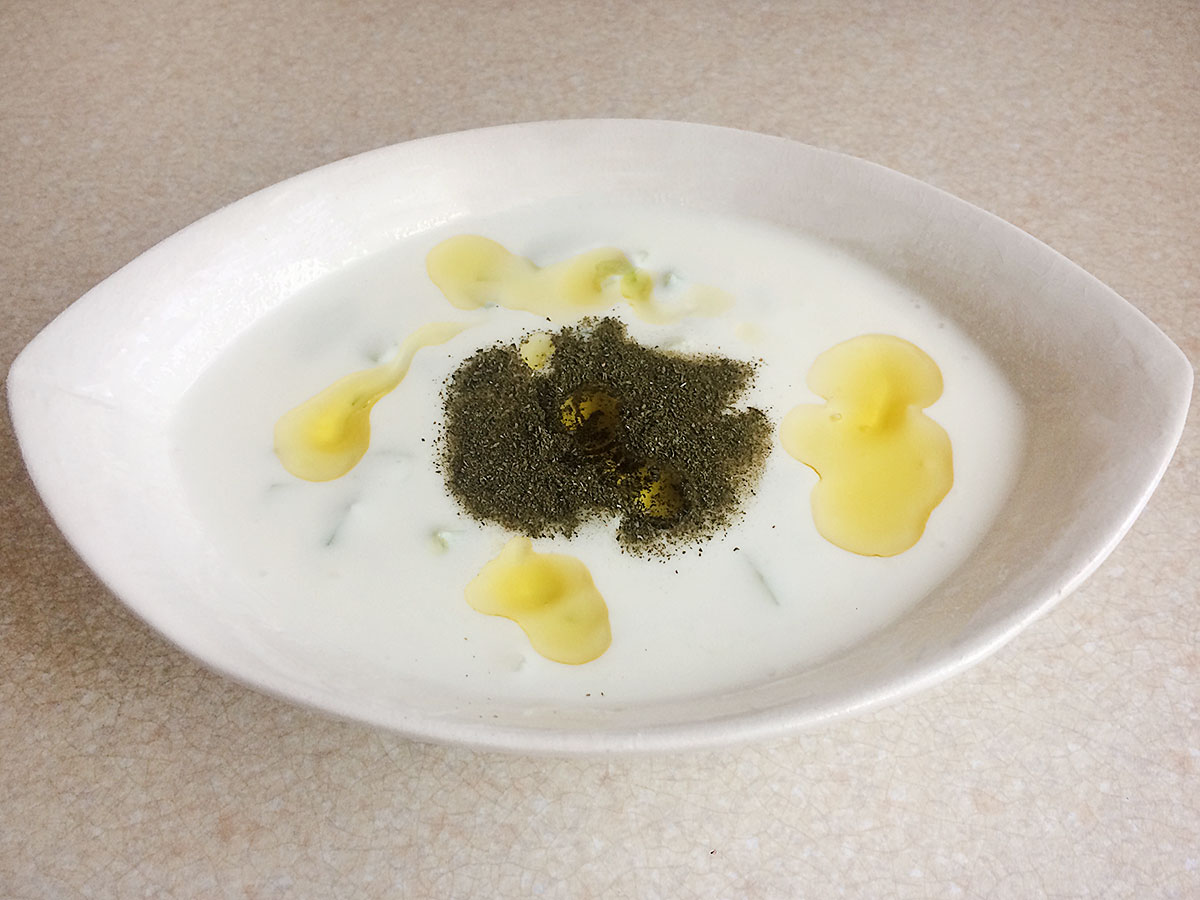
To avoid overloading your stomach after a prolonged fast and to prevent a sudden spike in blood sugar, try to delay your main meal until 1–2 hours after breaking your fast at iftar. Since long periods of fasting and thirst negatively affect the digestive system, breaking your fast with plenty of water and 2–3 dates will kick-start digestion. After that, 1 bowl of soup with plenty of salad and 1–2 slices of whole-grain bread or ¼ pide is enough to start. Waiting 30 minutes after finishing your starter course will protect your stomach from possible discomfort — during this time you can take a light-paced walk indoors or outside. For the main course, grilled or oven-baked meat/chicken/fish can be enjoyed alongside a vegetable dish prepared with minimal oil. Having a salad or cacık (yogurt-cucumber dip) alongside your meal will help you feel full more quickly. Instead of meat and vegetables separately, you can also opt for meat-and-vegetable stews or legume dishes.
Individuals fasting during Ramadan reduce their meals to just two — iftar and suhoor. Filling these meals with high-carbohydrate pastries and bread-heavy foods can lead to blood sugar irregularities, while reducing water intake can cause digestive problems. Yet the proportions of daily energy and nutrients your body requires do not change during this period. To avoid these issues throughout Ramadan and to prevent hormonal imbalances, aim to drink 2 liters of water between iftar and suhoor, include vegetables alongside meat at main meals, add salad, and incorporate fruit and low-fat dairy products at snack times. Moving as much as possible will also help your body gradually adapt to fasting.
Chia seeds and quinoa — names we've been hearing more and more lately — stand out for their high protein and fiber content. You can add chia seeds to water, milk, or yogurt, and incorporate quinoa into your salads and dishes, or even use it in soups and as a base for a quinoa tabbouleh-style dish. Alongside these two newer foods that will keep you full for longer and provide energy throughout the day, be sure to include oily seeds like walnuts and raw almonds, grains like oats, and omelets loaded with vegetables in your Ramadan meals.
Those with digestive issues should pay special attention to fluid intake and including high-fiber foods in their meals. Those who experience digestive problems after heavy meals can ease discomfort by drinking green tea or hot water with 1 teaspoon of turmeric powder added. Including kefir and probiotic yogurts that support digestive regularity, as well as high-fiber fruits at the evening snack and suhoor, will also help resolve potential digestive issues.
Sample Ramadan menu:
Iftar: 500 ml water + 3 dates
1 slice of brown bread (or 1/8 of a medium-sized pide)
1 bowl of soup (choose non-creamy varieties) + plenty of salad or raw vegetable platter
30-minute break
1 plate of low-fat vegetable dish, a palm-sized portion of grilled meat/chicken/fish
1 serving of yogurt / cacık (yogurt-cucumber dip) / ayran (Turkish salted yogurt drink) etc.
Salad / raw vegetable platter
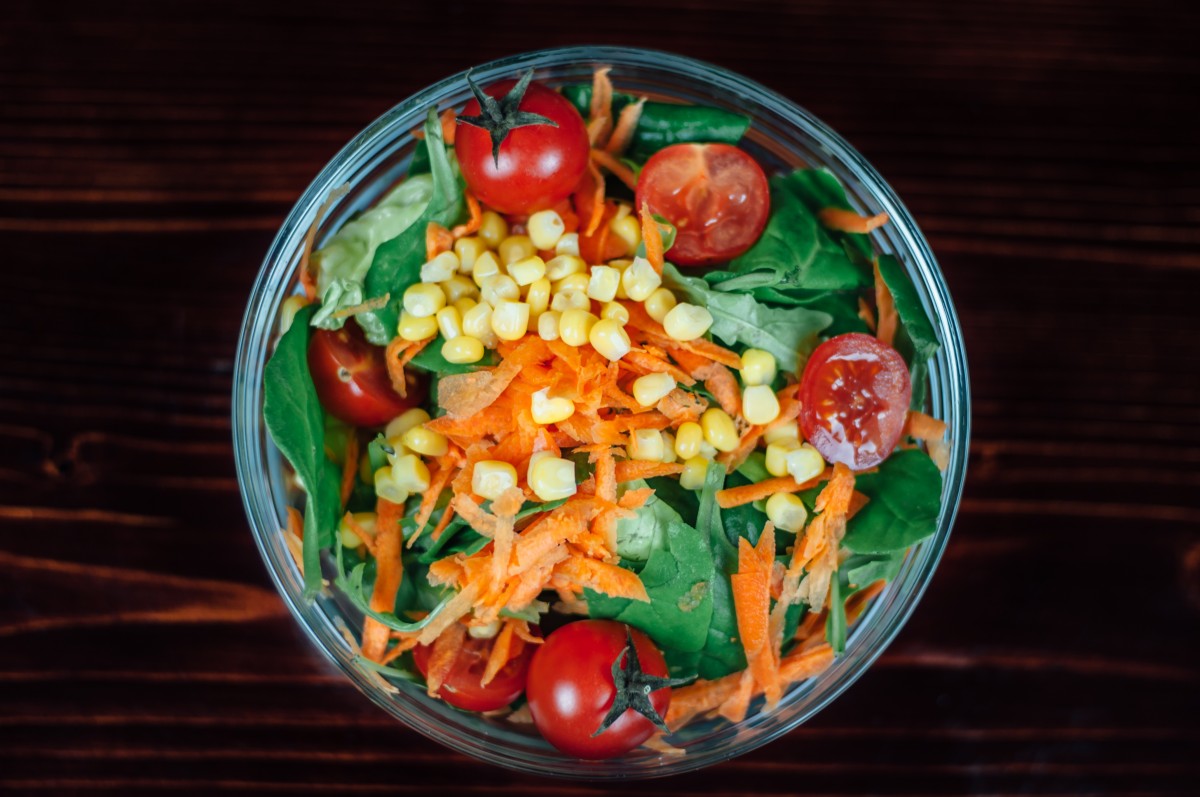
1 hour later: 2 pieces of fruit + 1 cup of fennel tea + white tea
1 hour later: 1 glass of kefir / 1 serving of Activia probiotic yogurt
(2–3 times a week, instead of fruit and dairy, you may choose 1 small bowl of milk-based dessert / 3 scoops of ice cream / or 1 bowl of stewed fruit compote — those wishing to lose weight can prepare the compote without adding extra sugar — or 1 serving of a fruit-based dessert)
Suhoor (different options can be applied each day for this meal)
***Option 1: 1 boiled egg or Menemen (Turkish scrambled eggs with peppers and tomato) made with 1 egg (with plenty of peppers, tomatoes, and 1 dessert spoon of oil) OR a vegetable omelet (with mushrooms, zucchini, tomato, peppers, etc.) + 2 slices of multigrain bread + 1 slice of low-fat cheese + 3 walnuts or olives
****Option 2: 2 slices of brown bread, toasted with ½ avocado and low-fat cheese — no extra spread — + 1 water glass (about 200 ml / ¾ cup + 1 tbsp) of ayran (Turkish salted yogurt drink) or light milk + tomato, cucumber, parsley and other raw vegetables in abundance + 1 large slice of watermelon + 7–8 hazelnuts
****Option 3: A sandwich made with 2 slices of brown bread and 100 g boiled/grilled chicken / 160 g light canned tuna / 2 slices of smoked turkey / 2 slices of low-fat cheese + 1 water glass (about 200 ml / ¾ cup + 1 tbsp) of ayran + tomato, cucumber, parsley and other raw vegetables in abundance
For individuals who want to lose weight or suffer from constipation:
***Option A: 6–7 tablespoons of plain oats or 3 tablespoons of plain oat porridge + 3 tablespoons of plain Nesfit (oat cereal) + 1 tablespoon of flaxseed + 1 water glass of light milk or 200 g light yogurt or 1 probiotic yogurt + 1 serving of fruit + 3–4 walnuts or 10 hazelnuts/almonds (mix the ingredients together before eating)
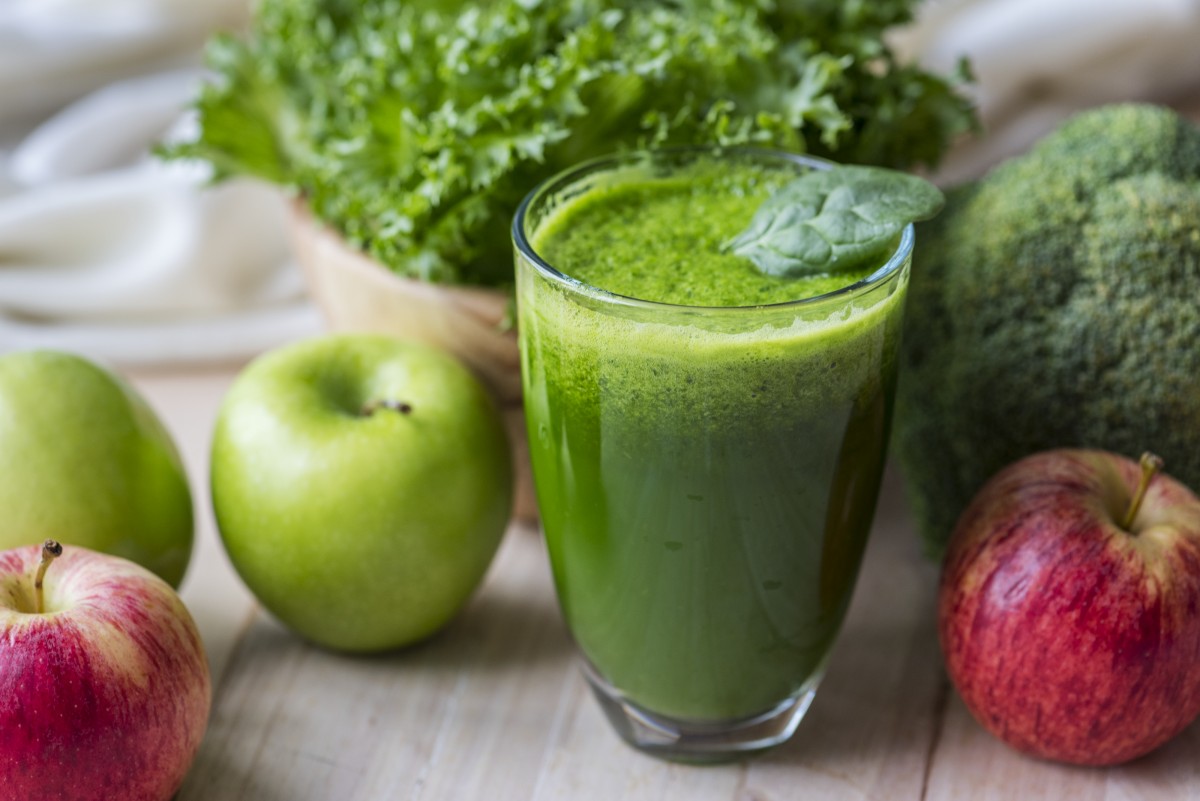
***Option B: Blend 1 slice of pineapple + 1 green apple + 1 kiwi + 1 glass of kombucha + 3 handfuls of greens + 1 tablespoon of oats + 1 tablespoon of chia seeds + 1 teaspoon of coconut oil into a smoothie, and enjoy alongside 1 handful of raw mixed nuts
Special Recipes for Those Who Want to Lose Weight During Ramadan
******Those who experience intestinal problems, hunger, or fatigue after long fasting periods can opt for vegetable soups. Vegetable soups regulate blood sugar and the intestines through their fiber content, while also keeping you full for longer. At the same time, their high vitamin content contributes to strengthening the immune system.
Vegetable Soup Recipes:
Broccoli Soup: Broccoli, zucchini, fresh red pepper, garlic, onion, parsley, etc., 1 potato, 2 tablespoons of bulgur (cracked wheat), 2 glasses of water, 1 tablespoon of olive oil — bring to a boil. Can be blended. (Total weight of vegetables when raw: 1 kg)
Zucchini Soup: Chop 2 zucchinis, 2 tomatoes, 1 onion, and 2–3 garlic cloves; add 1 coffee cup (about 80 ml / ⅓ cup) of bulgur (cracked wheat) or lentils and 1 dessert spoon of olive oil. Add 1 bunch of parsley, ½ bunch of dill, and ½ bunch of fresh mint, then cook with the desired amount of water and spices before blending and serving.
****Those with blood sugar irregularities and those who want to lose weight should especially avoid pastry-based and fried desserts during this period. They should prefer lighter milk-based or fruit-based desserts instead.