Grapefruit, Orange, Tangerine… Which One Should We Eat?
We're here to bring wellness with our ultimate citrus guide — exploring the health benefits of each fruit to help you stay strong this winter.
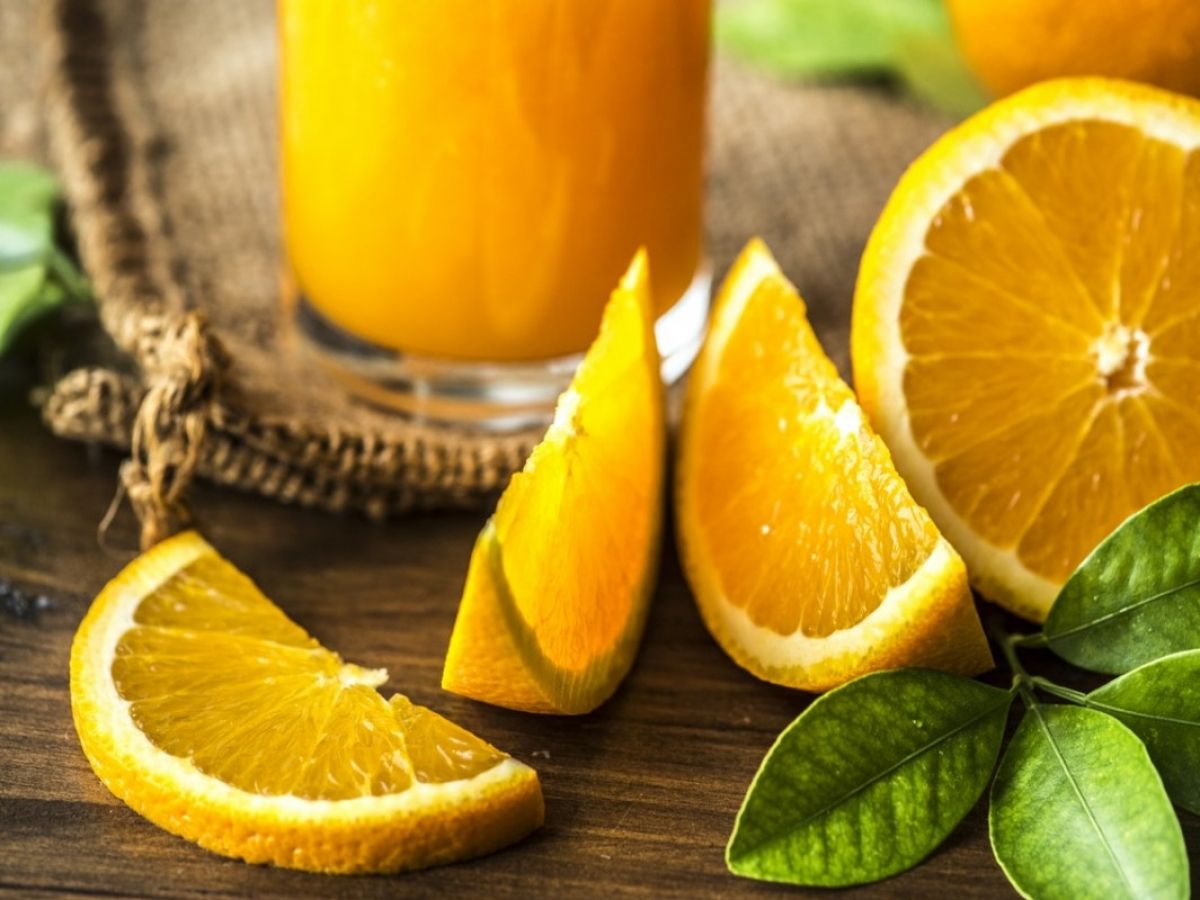

Well, winter is at the door — and it hasn't come alone. It has brought along quite a few uninvited guests: the flu, colds, bronchitis, throat infections, and more. So how can we protect ourselves? Come, let's knock on the healing door of citrus fruits together, line by line...
Citrus Fruits We Know So Well — But Where Are They Really From?
Their homeland is Southeast Asia. To spell it out in full, they are spread across a vast geography stretching from east of the Arabian Peninsula to the east of the Philippines, and from the Himalayas and India all the way to Australia. They love mild winter climates and limestone soils. The Mediterranean, Southern Aegean, and Southern Marmara coasts of our country are well-suited regions for growing citrus. Turkey's largest citrus-producing provinces are Antalya and Mersin. On the global stage, China, Brazil, Italy, the United States, Mexico, India, and Egypt are among the biggest citrus producers.
They Look Sweet but Love to Surprise You with a Tangy Twist…
These fruits — the very ones that lent their color the name "orange" — are also known in Turkish as narenciye. With five-part sepals and petals, sometimes seeded and sometimes seedless, and remarkably rich in vitamin C, these fruits are an indispensable part of our winter tables. Citrus fruits are green when unripe and turn yellow and orange as they ripen. We all know just how important vitamin C is for the immune system, cardiovascular health, and bouncing back quickly from many illnesses.
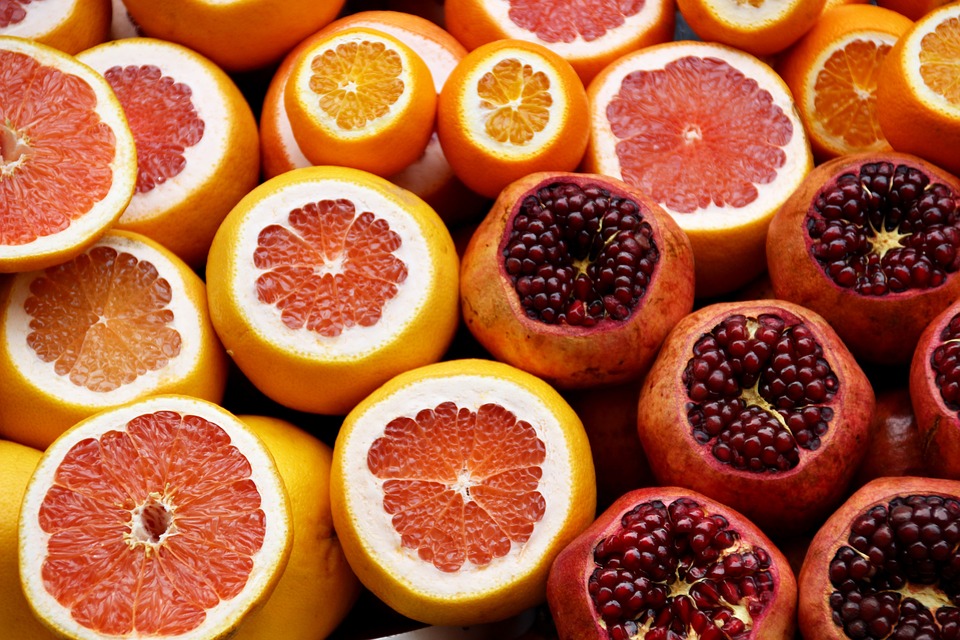
We Put Each Citrus Fruit Under the Microscope! Let's See What They Have to Say…
Orange: The richest member of the citrus family in terms of vitamin C. On almost every street corner there's a kiosk, and its window almost certainly reads "freshly squeezed orange juice." With around 600 varieties, this enchanting-scented fruit is the beloved orange ingredient in cakes and desserts. With a mildly tart-sweet flavor, the best-known variety in Turkey is the Finike orange. In addition to vitamin C, it also contains vitamin B, potassium, calcium, and magnesium. Orange is also a fruit that is quite rich in fiber, organic acids, and natural sugars.
Lemon: It is very popular among alternative health communities because its juice displays alkaline properties. Lemon, with its cleansing effect on the intestines, kidneys, and liver, protects our body against free radicals. This in turn reduces the risk of contracting many associated diseases. It has a sour taste. Eating one peeled lemon per day provides about half of our daily vitamin C requirement.
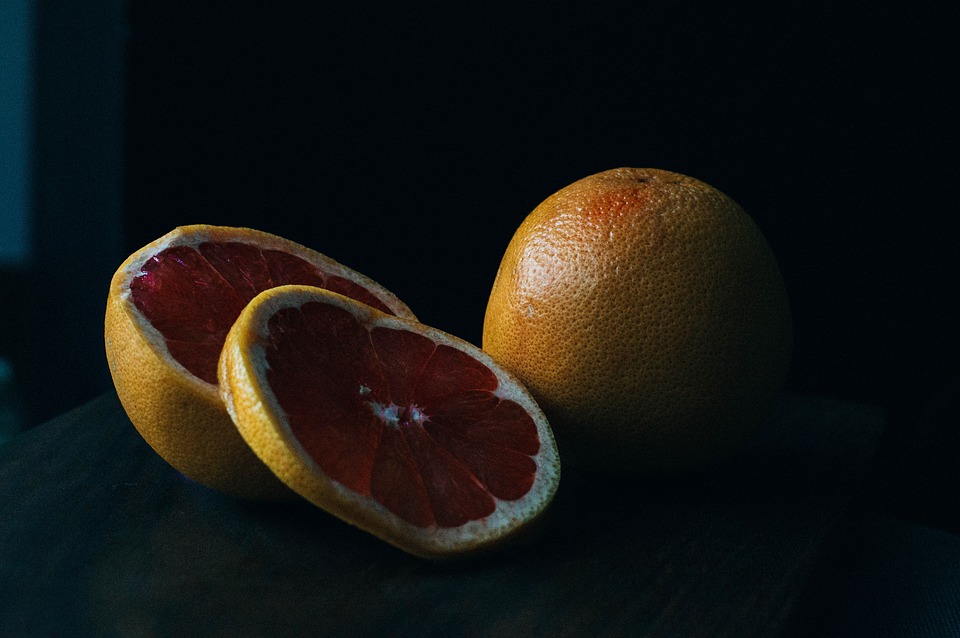
Grapefruit: A large citrus fruit with a reddish hue that catches the eye and a mildly bitter-sour taste. Exceptionally rich in folates, this fruit is also a powerhouse of vitamins, protein, fiber, and minerals.
Tangerine: A large tangerine tree is a beautiful sight even from a distance. It comes in both seeded and seedless varieties and can bear fruit in orange, yellow, and green. It contains various antioxidants in high amounts. Especially during the winter months, it is well worth consuming plenty of tangerines to stock up on vitamin C and ward off colds, the flu, and similar illnesses. It is beneficial against conditions such as asthma and bronchitis. It also cleanses the intestinal and stomach flora.
Bergamot: Resembling both a lemon and a pear, bergamot is the latest member of the citrus family. Its leaves are consumed as tea. A fruit widely used in the fragrance industry, bergamot is also favored in alternative medicine for the benefits of its oil. Particularly effective for depression, bergamot's calming and relaxing properties make it helpful for sleep disorders.
Kumquat: Its shape closely resembles a lemon while its color resembles an orange. We eat kumquats without peeling them. Their scent is reminiscent of bergamot and lingers on your hands for a long time. Eating 20 g of kumquat a day meets our daily vitamin C requirement.
Bitter Orange (Seville Orange): Similar to a regular orange but known for its somewhat bitter-sour taste by comparison. It is a petite member of the citrus family. Healing benefits can be found from both the fruit's peel and its blossoms. When the juice of the bitter orange blossom is consumed, it soothes the nerves. It is used to calm infants and children during restless moments.
Before We Go, We Simply Must Share an Anti-Carcinogenic Detox Recipe;
Ingredients;
1 grapefruit
1 tangerine
1 orange
1 lemon
Preparation;
Squeeze the juice from all the fruits nice and thoroughly. Then mix them all together well. Your anti-carcinogenic detox drink — one that protects cells, shields your metabolism from the damage of free radicals, and flushes toxin buildup from your body — is ready.
Wishing you healthy, healing days…