Don't Gain Weight During Ramadan
After breaking the fast at iftar with 1 bowl of soup, 2–3 dates, and water, you should wait a while before moving on to other dishes...
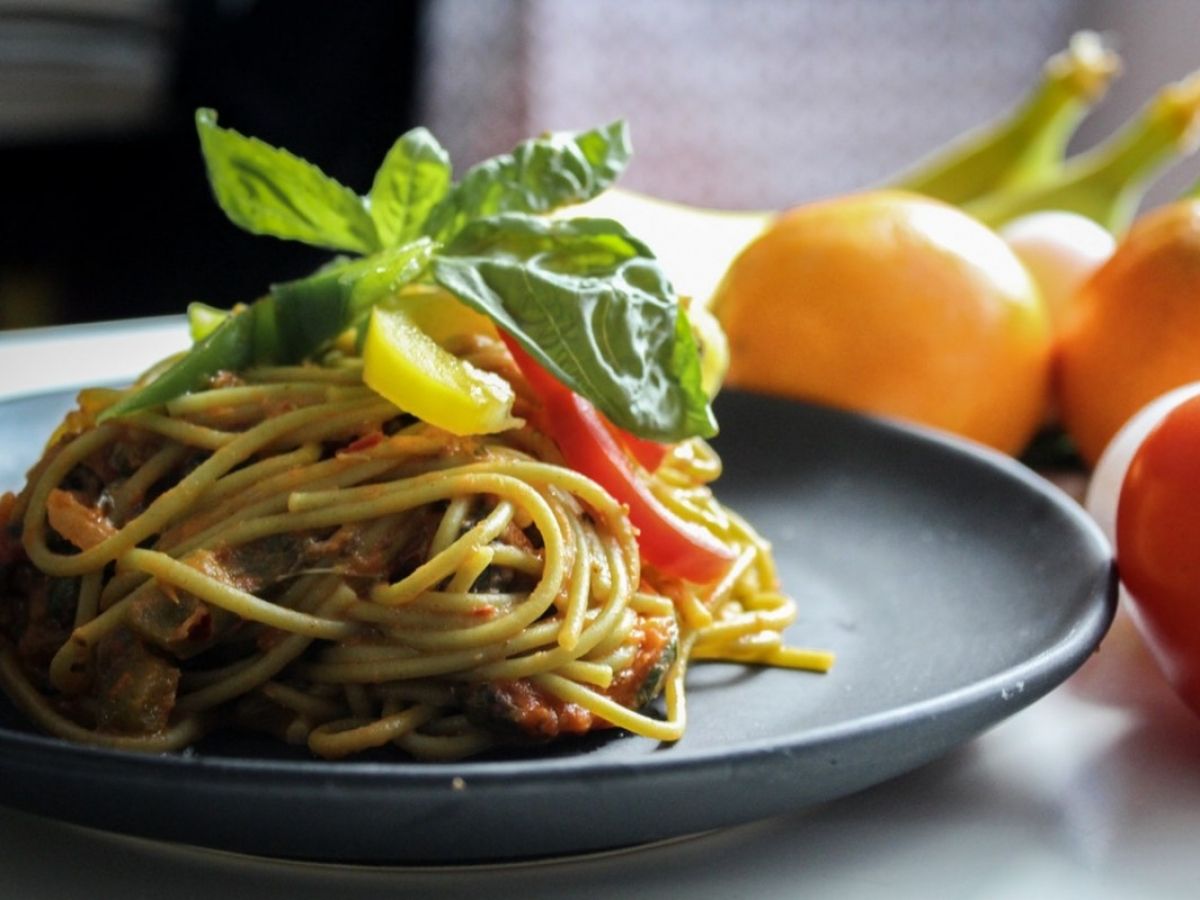

With Ramadan comes a sharp change in many people's eating habits. Consuming only 2 main meals — iftar and suhoor — while being exposed to heat and prolonged hunger during the summer months, it is very important for individuals to maintain a sufficient and balanced diet throughout Ramadan and to adapt their eating habits accordingly.
At traditional iftar tables, the variety of food — and consumption along with it — increases. In addition, prolonged fasting during the day slows the metabolism and disrupts our digestive system. However, it is within your power to eliminate these drawbacks.
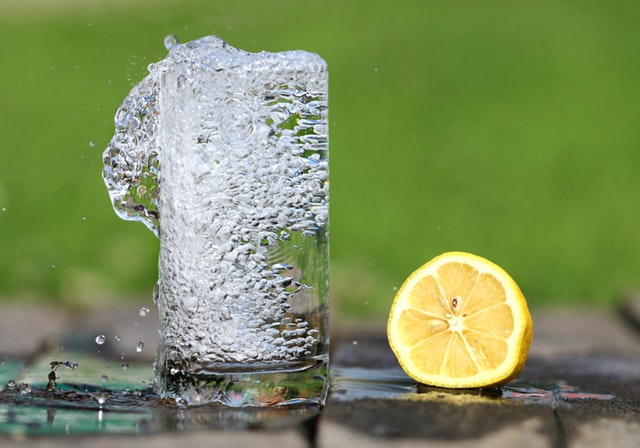
One important point to pay attention to is fluid intake. To stay safe from dehydration and related discomforts caused by long days and hot weather, consuming at least 8 glasses of water per day is essential.
Throughout Ramadan, your meal schedule can be organized as iftar, a snack 1–2 hours later, and suhoor.
While iftar is the most beloved meal of the Ramadan month, it is also the riskiest. After breaking the fast at iftar with 1 bowl of soup, 2–3 dates, and water, you should wait a while before moving on to other dishes. This stimulates your digestive system and gets it working again. For the meals that follow, it is a better choice to opt for whole-grain products, boiled or oven-baked dishes, or milk-based desserts instead of greasy foods, pastries, fried foods, or syrup-soaked sweets. It is also beneficial to avoid consuming the cooking liquid from dishes, as this helps reduce fat intake.
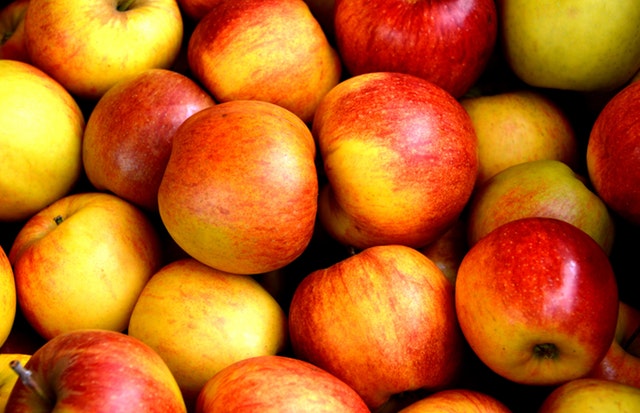
You can make your snack from fruits and dairy products such as milk or yogurt. This way, you can meet the recommended daily intake of 5 servings of fruits and vegetables and satisfy your vitamin and mineral needs. One important note about fruit consumption: eat well-washed and cleaned fruit with the skin on to increase your fiber intake.
Never skip the suhoor meal. Although it is skipped or rushed through by many people, suhoor is the most important meal of Ramadan. The food you eat at suhoor should prepare you for the new day and provide the necessary energy. That is why food choices and intake are very important. At suhoor, you should prefer foods that raise blood sugar slowly, are high in protein, rich in fiber, and slow to digest. This way, you can delay drops in blood sugar as much as possible. You should also be mindful of your salt intake and consumption of salty products (e.g., olives), because one of the main causes of thirst during the day is the salty and fatty foods eaten at night.
Things you should do to have a healthy Ramadan:
-
Don't forget fluid intake: at least 8 glasses per day
-
Eat a balanced diet: meet your vitamin and mineral needs
-
Reduce consumption of fatty foods
-
Pay attention to fruit and vegetable intake
-
Choose complex carbohydrates: avoid simple/refined sugars
-
Chew thoroughly while eating — don't swallow immediately: this aids digestion