Healthy Eating Tips for Vegetarians and Vegans
What are the key points to watch out for in vegetarian and vegan nutrition? How can protein and vitamin deficiencies be addressed? Here are tips tailored specifically for vegan eating...
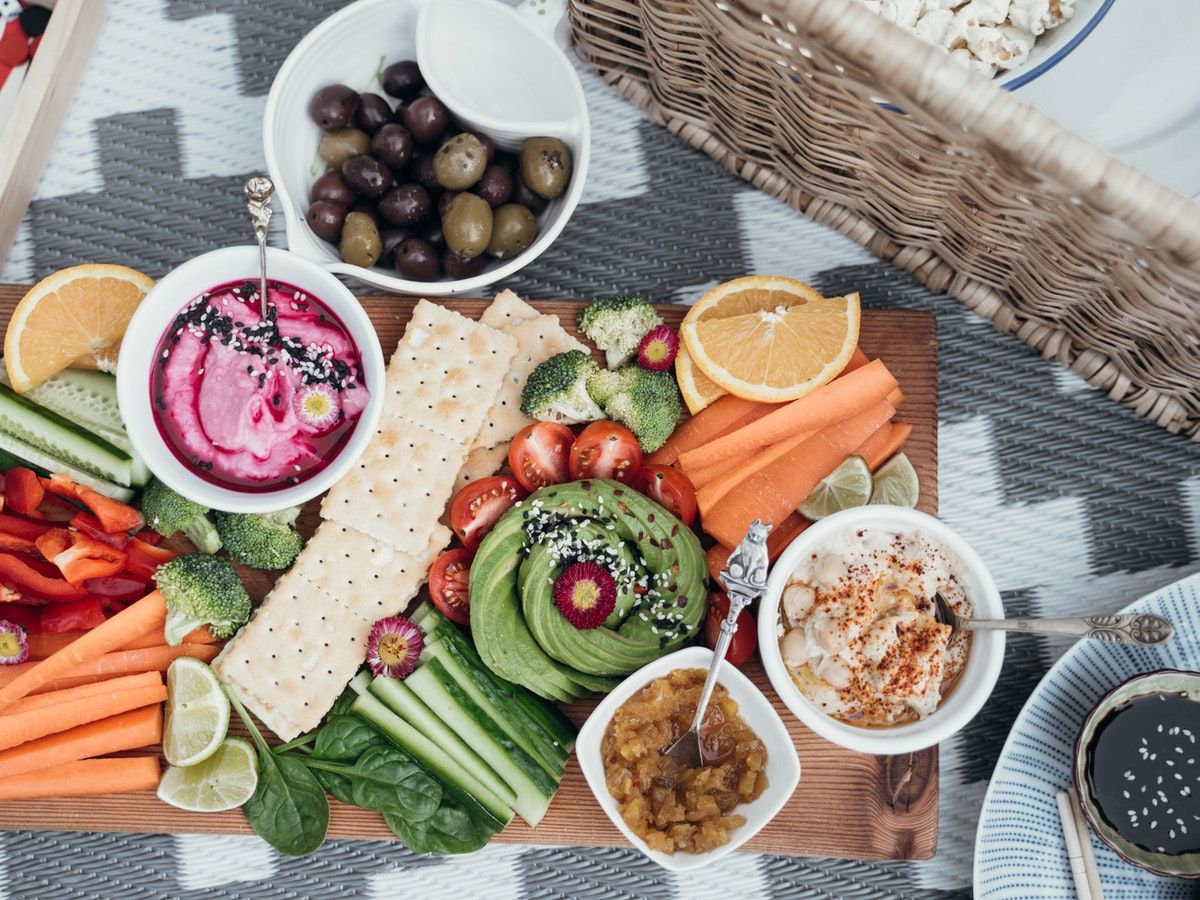
While vegetarian and vegan diets have shown positive effects against various health conditions — most notably obesity — they can make it harder to obtain adequate levels of certain micronutrients that are essential for our metabolism. Dietitian M. Berrin Ak from Nişantaşı Hospital shared healthy eating recommendations tailored specifically for vegetarians and vegans.
How can protein and vitamin deficiencies be addressed?
Interest in vegetarian and vegan diets has been growing rapidly around the world in recent years. This dietary and lifestyle choice — adopted for reasons such as health or ethics — is also spreading in Turkey, particularly among urban populations. Turkey's seventh-place ranking in Euromonitor's list of countries where the vegetarian population grew the most between 2016 and 2017 is a clear reflection of this trend. So, what are the key points to keep in mind when following a vegetarian or vegan diet? Dietitian M. Berrin Ak shared her tips for vegetarian and vegan nutrition.
Types of vegetarian diets
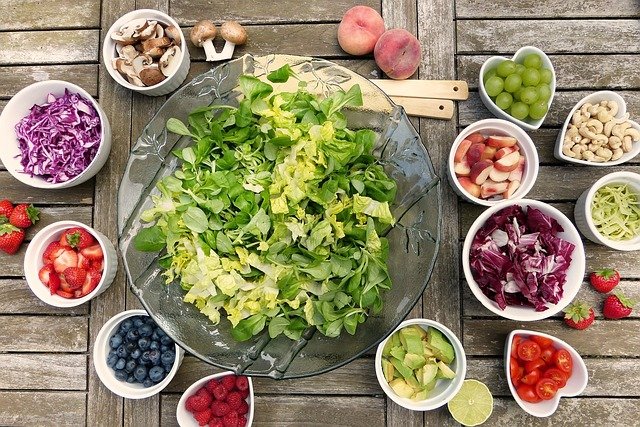
Vegetarian diets fall into different categories depending on whether meat is consumed and whether secondary animal products such as dairy, dairy products, and eggs are included according to personal preference:
Lacto-Vegetarianism: Involves consuming milk and dairy products from animal sources.
Ovo-Vegetarianism: Involves consuming only eggs from animal sources.
Lacto-Ovo Vegetarianism: The most commonly practiced type of vegetarian diet today, it includes plant-based foods alongside both dairy and eggs.
Pollo-Vegetarianism: A type of vegetarian diet in which the only meat consumed is poultry.
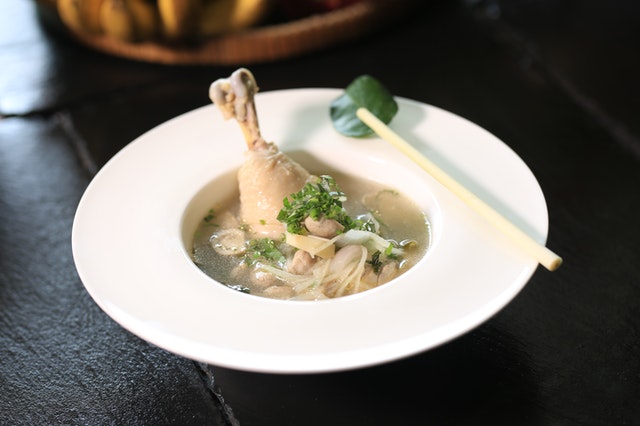
Pesco-Vegetarianism: A type of vegetarian diet in which the only meat consumed is fish and other seafood.
Semi-Vegetarianism: A transitional type of vegetarian diet that includes eggs and dairy products as well as limited amounts of chicken and fish.
Veganism: The strictest form of vegetarian diet. Vegans choose only plant-based foods and consume absolutely no meat, dairy, eggs, or honey. Furthermore, since they also avoid clothing made from animal-derived materials such as wool, leather, and silk, veganism is regarded as a lifestyle rather than simply a diet.
"Vegetarians and vegans need to build a healthy and balanced nutrition plan"
Noting that studies conducted in recent years have demonstrated the positive effects of vegetarian/vegan diets against conditions such as obesity, cardiovascular and gastrointestinal diseases, Type 2 diabetes, and cancer, Ak stated: "Research carried out in the United States has also found that conscientious vegetarians and vegans live longer than those who consume animal-based foods. However, despite the protective benefits of this dietary approach against many diseases, it also makes it more difficult to obtain adequate levels of certain micronutrients found in animal sources — such as B12, iron, zinc, and calcium — that are essential for human metabolism. This can lead to health problems such as B12 vitamin deficiency, osteoporosis, and anemia. We therefore strongly recommend that vegetarians and vegans establish a healthy and balanced nutrition plan."
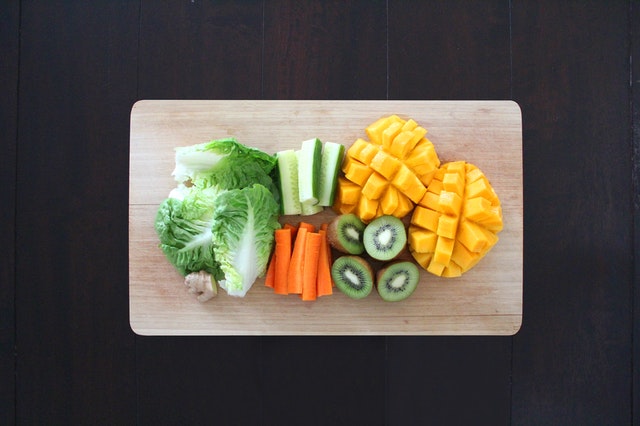
Dietitian M. Berrin Ak outlined the following key considerations for vegetarian/vegan nutrition:
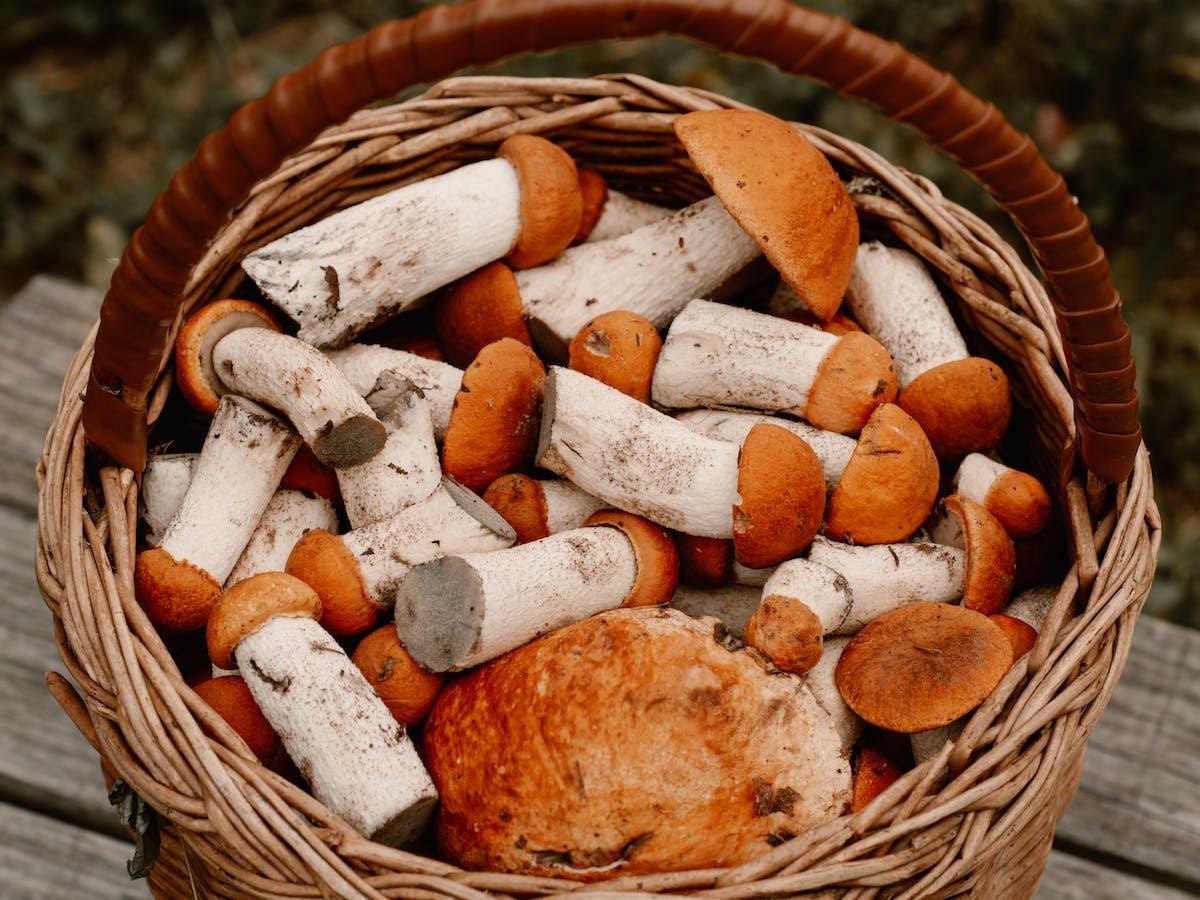
- The most significant issues in vegetarian/vegan nutrition are protein and B12 deficiency. Since lacto, ovo, and lacto-ovo vegetarians consume eggs and dairy products, they generally do not experience serious health problems related to protein and B12 deficiency. However, vegans can develop significant deficiencies. If you are vegan, incorporate soybeans, soy beverages, soy ground meat (textured soy protein), quinoa, buckwheat, oily seeds, vegetables, grains, and dried legumes into your diet. Consume Shiitake mushrooms once a week to meet both your B12 and protein needs. If necessary, use nutritional supplements such as spirulina, which is rich in protein, B vitamins, iron, and many other vitamins and minerals.
- To get enough calcium, include natural calcium sources in your diet such as dark leafy green vegetables, tahini, tofu, and dried figs. Consume foods and beverages fortified with calcium, such as calcium-enriched soy and rice milk and breakfast cereals.
- Make an effort to consume soy, pumpkin seeds, walnuts, kiwi, canola oil, flaxseed, and purslane, which are rich in omega-3 fatty acids.
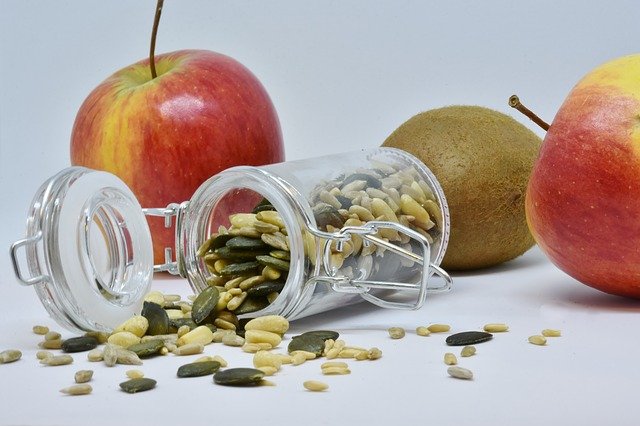
- Breakfast cereals and soy milk are also beneficial for vitamin D, but try to get as much sunlight as possible for this vitamin.
- Since iron deficiency is often unavoidable in vegetarian/vegan diets, include tofu, lentils, spinach, sesame, kidney beans, dried apricots, pekmez (Turkish grape molasses), quinoa, and amaranth in your nutrition plan. Vitamin C facilitates the absorption of iron, so when eating iron-rich foods, be sure to pair them with foods high in vitamin C such as oranges and tangerines. Avoid drinking tea or coffee during or immediately after meals, as they inhibit iron absorption.
- Remember that in the long run, a vegetarian/vegan diet benefits not only physical health but mental health as well. Whether you are already vegetarian or considering becoming one, seek support from a dietitian to avoid running into any health problems down the road.
The egg alternative: Aquafaba
Aquafaba is the water in which dried legumes such as chickpeas have been boiled, and it is used as a substitute for egg whites in vegan recipes. By using three tablespoons of aquafaba in place of one egg, you can prepare vegan mayonnaise, cream, macarons, pastries, and cakes. However, aquafaba only serves as a functional substitute for egg whites — it does not have the same nutritional value as eggs..