Healthy Foods Can Make You Gain Weight Too!
Are you filling your shelves with healthy foods but still not seeing the number you want on the scale? Maybe those healthy foods aren't as harmless as you think!

WARNING!!
One of the biggest mistakes many of us make is thinking that healthy foods don't cause weight gain — ignoring their calories and consuming them without measuring portions, then wondering why we can't lose weight. If you want to reach your ideal weight, here are the healthy foods you need to consume mindfully and in measured amounts:
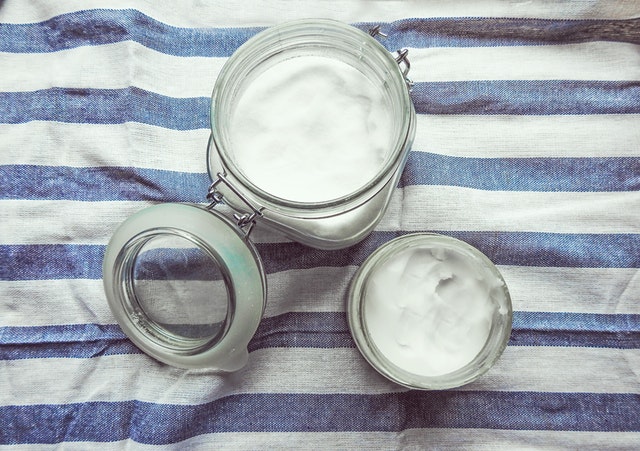
Coconut Oil
Coconut oil has recently become one of the most popular foods used in everything from nutrition to beauty care. In the world of cooking, you can find coconut oil listed as an ingredient in almost countless recipes. However, using this oil in large amounts in your diet can cause the number on the scale to climb day by day. That's because 2 tablespoons of coconut oil contains approximately 200 calories and 16 grams of saturated fat! In other words, when you consume 2 tablespoons of coconut oil per day, you've already taken in 80% of your total recommended daily saturated fat intake. If you want to use this food regularly, you'll need to make some adjustments to your diet. Otherwise, you may find yourself faced with the reality that your pants no longer fit!
Gluten-Free Products
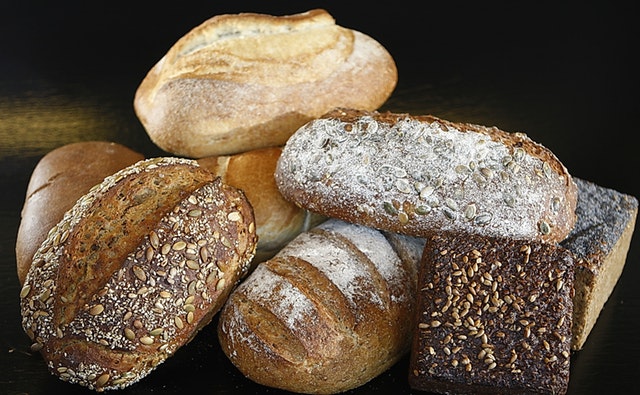
Light products used to be popular. After a while, "low-carb" products began to take their place. Today's nutrition trend is all about consuming gluten-free products. Even though it may seem like the opposite is true, assuming that gluten-free products are healthier than regular products is quite misleading. In fact, compared to their whole-grain alternatives, gluten-free products contain significantly less protein and fiber, while also being higher in fat. On top of that, these products are actually higher in calories than their gluten-containing counterparts. So if you consume more of them under the assumption that they're lower in calories, they can even lead to weight gain. This means that if you don't have celiac disease or a gluten intolerance, there is no benefit to consuming gluten-free products.
Vegan Cheese
This is another product that people assume is lower in calories than other cheeses. Switching to vegan cheese instead of regular cheese varieties may seem like a healthy alternative, but these cheeses still contain an average of 100 calories per 30 g (about 1 oz), just like other cheese varieties. Vegan cheese contains ingredients such as starch, xanthan gum, and protein isolate — and by choosing vegan cheese over regular cheese, you also miss out on the benefits that come with higher protein content. For example, while 1 slice of string cheese contains around 8 grams of protein, 1 serving of vegan cheese contains an average of just 1 gram of protein. Generally speaking, if you haven't chosen a vegan lifestyle, stick to low-fat regular cheeses.
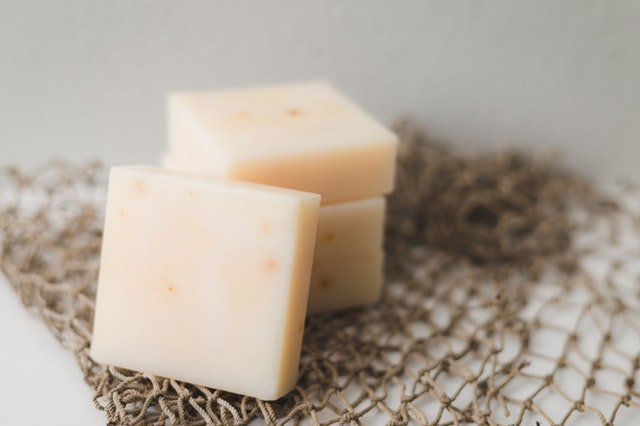
Agave Nectar
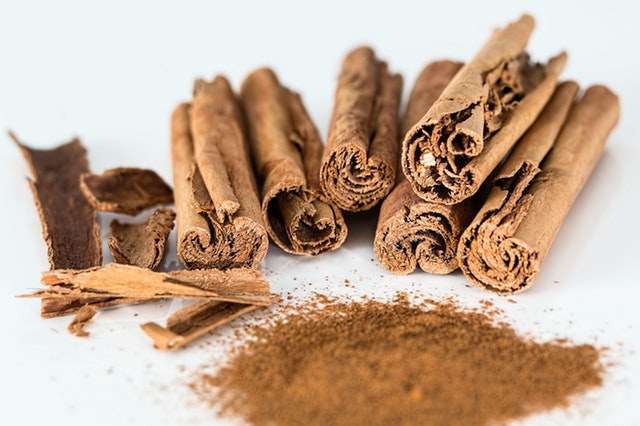
This sweetener is often described as natural and organic, but finding pure agave nectar is actually quite difficult. The agave nectar you can easily find on store shelves is, unfortunately, largely filled with high-fructose corn syrup that contains significant amounts of chemicals. Even though it's claimed that this product has no calories and can be used freely in whatever you like, 1 dessert spoon (about 2 tsp) of agave syrup contains 45 calories. If you really want to add something healthy and sweet to your tea or coffee, opt for a pinch of cinnamon instead.
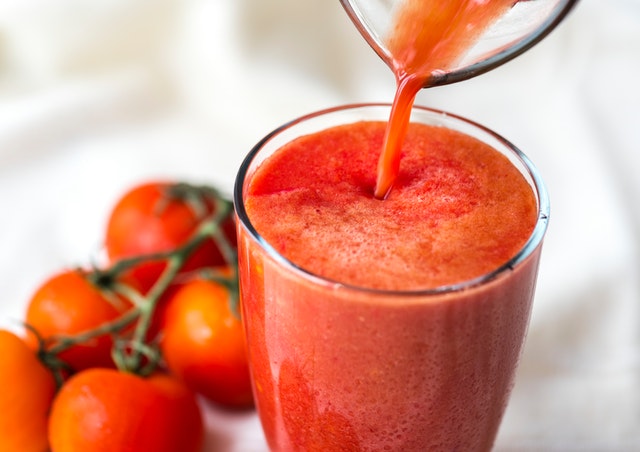
Tomato Sauce
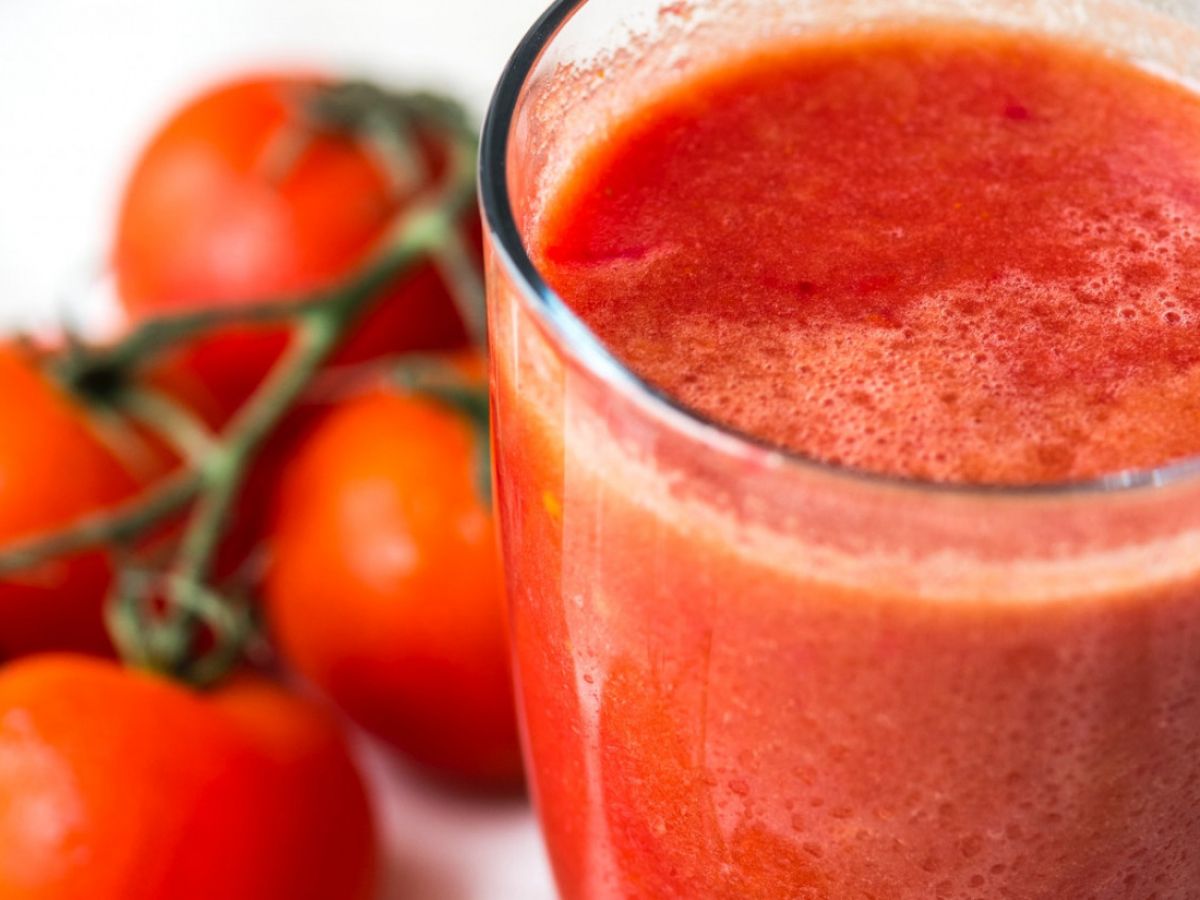
Tomato sauce can be a low-calorie alternative to use in your cooking — but only if you make it at home using fresh tomatoes. Many store-bought tomato sauces are high in sugar and sodium. As a result, these products cause you to consume empty calories and lead to bloating in the body. Make a point of reading product labels to find the healthiest option. If you prefer, you can make your own tomato sauce at home to create the healthiest choice for yourself.
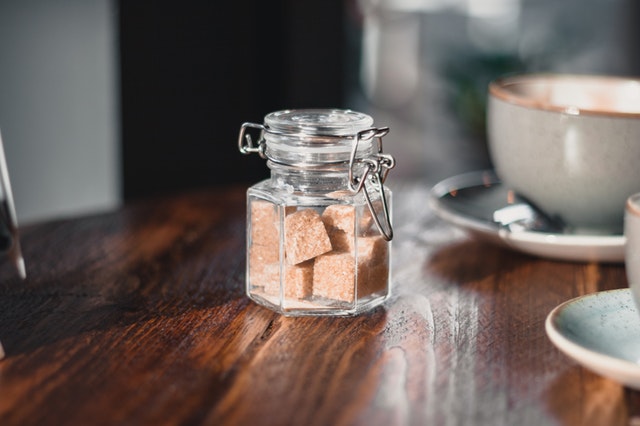
Brown Sugar
Whether sugar comes in powdered, cube, brown, or white form makes absolutely no difference to your body. No matter what form it takes, 1 dessert spoon (about 2 tsp) of sugar contains 16 calories. Just as you're careful with white sugar, it's equally important to be mindful when using brown sugar. Otherwise, you risk falling victim to the empty calories that come with excessive sugar consumption.
Carob
Carob is often presented as a healthy alternative to chocolate. However, you should know that carob has the same calorie content as chocolate — both contain approximately 150 calories per 30 g (about 1 oz). Moreover, when you choose carob over chocolate, you miss out on the benefits that chocolate offers, such as a reduced risk of obesity and heart disease. The only advantage of consuming carob over chocolate is that carob is caffeine-free. If you're sensitive to the stimulating effects of caffeine, carob may be a suitable choice for you. However, if your goal in consuming carob is simply to lose weight, you'll still need to limit your carob intake just as you would with chocolate.