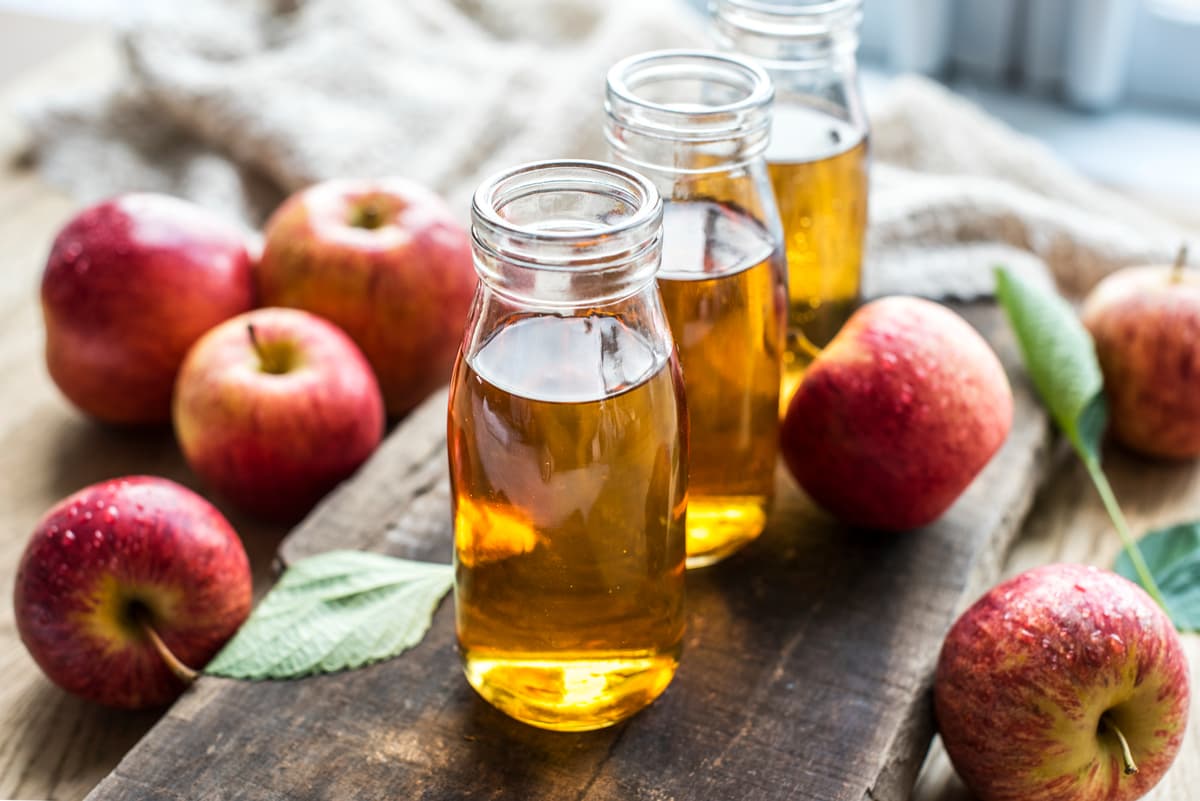
What to Eat at Suhoor for Healthy Eating During Ramadan
Sparkling water and eggs are just as beneficial as too much tea and coffee are harmful! So what should you eat at suhoor for healthy eating during Ramadan? How should you nourish yourself?


- Avoid high-fat and sugary foods: Consuming high-fat and sugary foods at suhoor can cause your blood sugar to spike and crash quickly, making you feel hungry much sooner. On top of that, these foods will cause your body to lose more water, making you feel thirstier. Instead of greasy börek (savory layered pastry) or gözleme at suhoor, opt for high-fiber choices like whole-grain bread and high-protein options like milk, yogurt, and eggs — these will keep you energized and feeling full for a long time.
- Have 1 bottle of plain sparkling water at suhoor!: You can replenish the minerals you lose throughout the day in the heat at suhoor. Drinking 1 bottle of plain sparkling water at suhoor will both eliminate indigestion problems and restore the minerals you've lost during the day.
- Meet your body's water needs at suhoor: Since Ramadan falls in July this year — one of the hottest months — your body will lose a significant amount of fluids and minerals. Rather than drinking liters of water all at once right before suhoor ends, spread your water intake across the window from iftar to suhoor. This way, you can control your appetite much more easily and ensure your body makes the most efficient use of the water you drink.

- Watch your tea and coffee at suhoor!: Drinking large amounts of tea and coffee at suhoor will cause your body to lose even more fluids. For this reason, try to limit yourself to no more than 1–2 cups of tea and no more than 1 cup of coffee at suhoor. Choosing drinks like ayran (Turkish salted yogurt drink) or sparkling water — which will both keep you full and maintain your body's electrolyte balance — will help boost your endurance throughout the following day.
- Don't forget probiotics!: When fasting, since you go without food and fluids for long periods, your metabolism and digestive system will work more slowly than usual. Taking a probiotic supplement before suhoor, or drinking a glass of kombucha or kefir at the end of your suhoor meal, can help get your digestive system and metabolism going so you can stay energetic all day long.
- Avocado, egg, and cheese toast: Cut the avocado in half and mash it with a fork. Boil 1 egg and cut it into four pieces. Break 1 slice of goat cheese into small pieces. Spread the mashed avocado over 2 slices of whole-grain bread. Then arrange the egg and cheese pieces on top and enjoy.

* The healthy fats from the avocado, combined with the protein from the egg and cheese and the fiber from the whole-grain bread, will help keep you full until iftar.
- Quinoa tabbouleh-style salad: Make a large salad with 1 water glass (about 200 ml / 3/4 cup + 1 tbsp) of cooked quinoa, 2 tomatoes, 2 cucumbers, 2 red bell peppers, and as many greens as you like. Drizzle with 1 dessert spoon (about 2 tsp) of vegetable oil and enjoy. If you'd like, you can add a glass of ayran (Turkish salted yogurt drink) on the side to boost the protein content.
* With its high calcium and protein content, quinoa will help balance your blood sugar and keep you full for a long time. Use as many greens as you like in your salad to increase the fiber content of your meal and prevent digestive issues.
- Oat omelet: Prepare an omelet with 1 whole egg, 2 egg whites (or 2 whole eggs), 1 tea glass (about 100 ml / 1/3 cup + 1 tbsp) of low-fat milk, and 2–3 tablespoons of oats, and enjoy it alongside 3 tablespoons of low-fat yogurt. Feel free to liven up your omelet with different spices and vegetables.
*Eggs with their high-quality protein and oats with their fiber-rich content make this an ideal meal for staying full.
- For those who prefer a quick and easy meal: To 1 glass of low-fat milk or 1 bowl of low-fat yogurt, add 3 tablespoons of oats, 3 tablespoons of muesli or breakfast cereal, 1 fruit of your choice (sliced), and 1 teaspoon of cinnamon, and enjoy.
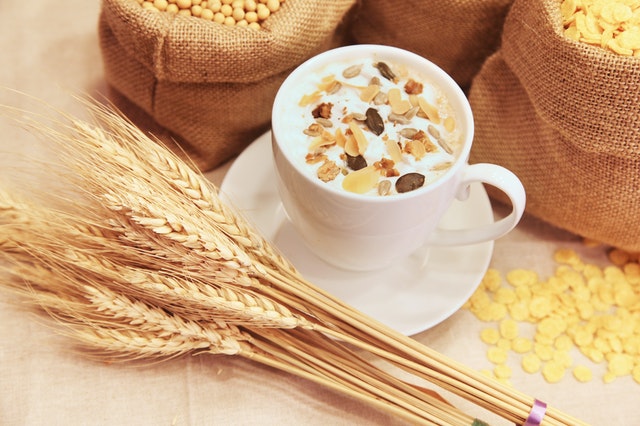
* I can guarantee you won't go hungry when the protein and calcium in the milk or yogurt combines with the high fiber in the oats and muesli and the vitamins and minerals in the fruit. Adding cinnamon will help satisfy your sweet cravings as well as balance your blood sugar.
- Infused water from iftar to suhoor: Those who struggle to drink enough water can balance their blood sugar, meet their hydration needs, and curb sweet cravings with infused water from iftar to suhoor. All you need to do is fill a large pitcher with water and add 1 medium cinnamon stick, 1 cucumber (sliced), 1 lemon (sliced), 1 apple (sliced), 5 strawberries (sliced), 3–4 cloves, and 10 fresh mint leaves — then drink this water from iftar through to suhoor. This wonderful recipe that makes staying hydrated easy will help you get through Ramadan comfortably while maintaining your fitness. Enjoy!
Registered Dietitian Merve Tığlı Çınar