Don't Just Preserve in Summer — Make Preserves in Winter Too!
Tips and tricks for making preserves at home from Haydar Şahin, Head of the Hotel, Restaurant and Catering Services Department at Istanbul Rumeli University, plus delicious winter preserve recipes.
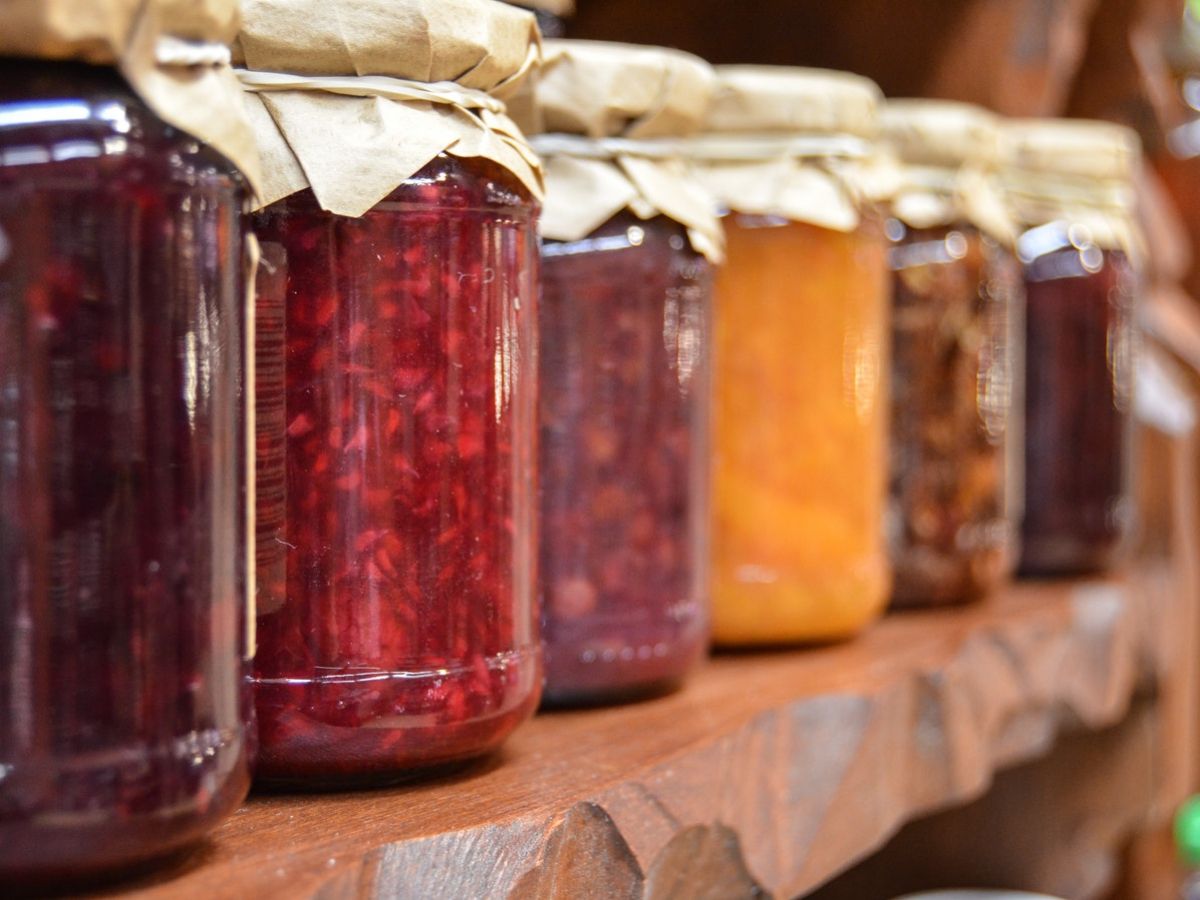

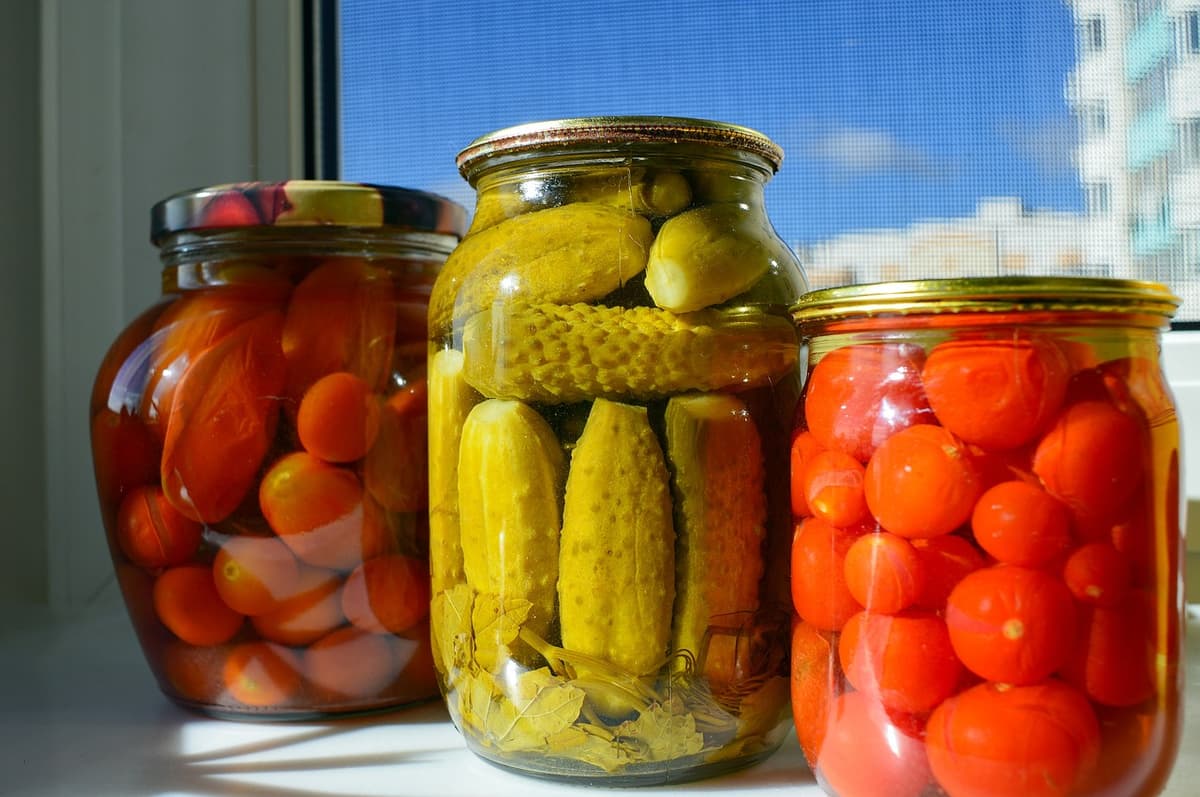
The fast pace of modern working life is one of the biggest reasons people turn to ready-made products. Quick preparation times, the desire to enjoy fruits and vegetables out of season, or simply keeping food ready to use — canning is one of the most popular methods for all of these. Homemade preserves are both economical and healthy, but when not handled correctly, they can pose a danger. Haydar Şahin, Head of the Hotel, Restaurant and Catering Services Department at Istanbul Rumeli University, shared his tips for making preserves at home along with delicious winter preserve recipes...
5 important rules to follow when making preserves!
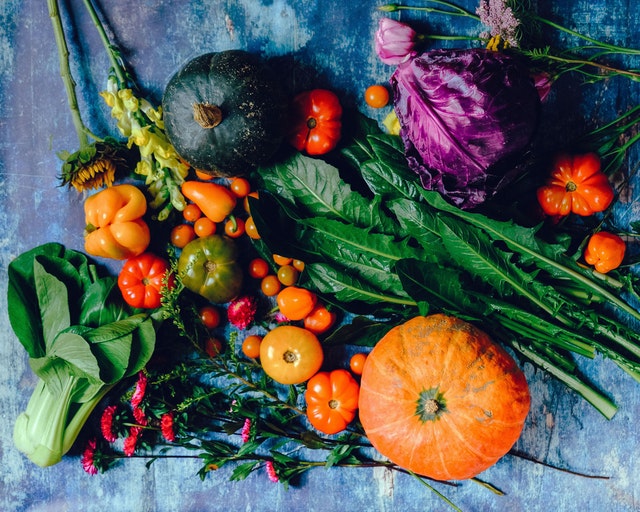
1. Make sure your fruits and vegetables are fresh and mold-free: Ingredients used in canning must be thoroughly washed, and the food must be fresh and free from spoilage.
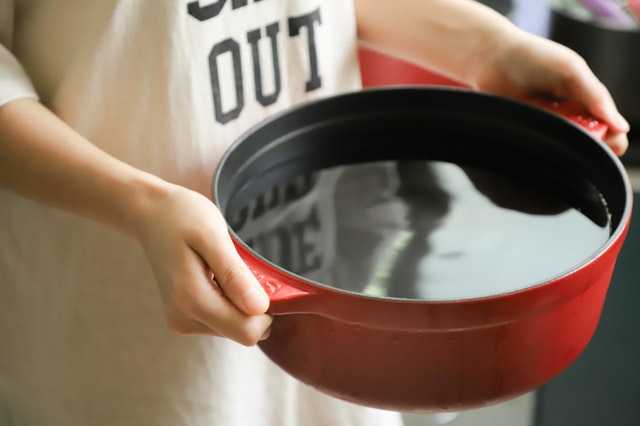
2. Use heat-resistant glass: It is important that the jars used for canning are made of heat-resistant glass.
3. Boil your glass jars: Glass jars must be sterilized by boiling for 15–20 minutes before use. In addition, the lids of the jars should be brand new.
4. Work in a sterile environment: Make sure that both your work surface and your equipment are sterile when preparing your preserves.
5. Boil fruits and vegetables for 15–20 minutes: High-acid foods such as fruits and tomatoes should be boiled for an average of 15–20 minutes. Additionally, all vegetables should be cooked after being cleaned and cut. This also helps reduce the microbial load present in the vegetables.
Winter Preserve Recipes
Delicious winter preserve recipes from Haydar Şahin...
Quince Preserve
Ingredients:
1 kg (about 2 lbs) large quince
3 water glasses (about 200 ml / 3/4 cup + 1 tbsp each) of sugar
3 whole cloves
1 dessert spoon (about 2 tsp) ground cinnamon
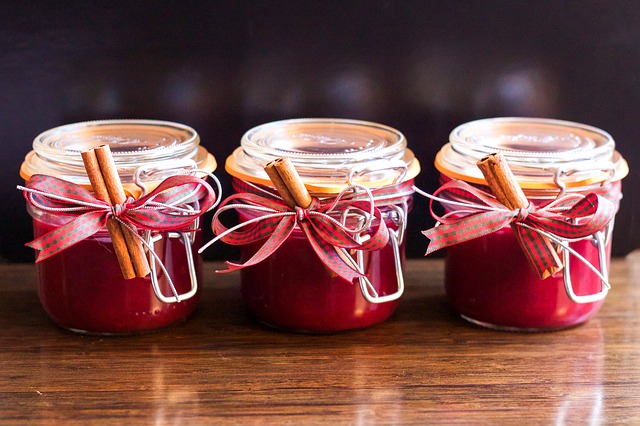
After washing and cleaning the fruit, cut the quince in half. Remove the core and seed cavity. Peel the skin and chop into small pieces. Boil the fruit in enough water to cover it. Add the sugar, cloves and cinnamon, then bring to a boil. Once boiling, reduce the heat and stir gently over medium heat for 1–2 minutes. Transfer to jars and seal the lids tightly. Turn the jars upside down and store in a cool, dark place away from sunlight.
Pickled Red Beet Preserve
Ingredients:
1 kg (about 2 lbs) red beets
1 tea glass (about 100 ml / 1/3 cup + 1 tbsp) vinegar
1 tablespoon salt
3 garlic cloves (optional)
Wash and clean the red beets, then peel them. Chop to your desired size. Soak the chopped beets in vinegared water, then transfer to a pot and add enough water to cover, along with the salt and garlic crushed with a mortar and pestle. Cook the beets for about 20 minutes. Once cooked, transfer to glass jars. Seal the lids tightly, turn the jars upside down, and store in a cool, dark place away from sunlight.
Practical Storage Methods
Noting that there are many methods for storing fruits and vegetables, Şahin lists some practical storage options as follows:
Drying: One of the best-known preservation methods. You can use fruit and vegetable dehydrators or the oven-drying method during the winter months when sunlight is not available.
Storing in ice cube bags: Clean and boil your vegetables according to their structure. Add whatever spices you like, then blend into a sauce. Once the mixture has cooled, pour it into ice cube bags and freeze.
Vacuum sealing: After cleaning the core and seeds from your chosen fruits or vegetables, place them in a vacuum bag. Use a vacuum sealer to remove the air from the bag, then store your produce in the freezer for an extended period of time.