How to Get Rid of Cellulite in 18 Steps
You won't believe how easily you can get rid of the orange-peel appearance on your legs and hips — the common problem among women — with an anti-cellulite diet!

After reading this article, you won't need to go under the knife or spend money on expensive creams!
1- Make Sure You're Getting Enough Vitamin B6
Vitamin B6 (also known as Pyridoxine) is an indispensable vitamin in the fight against cellulite. Weak connective tissue is one of the main causes of cellulite. Vitamin B6 proves its importance by repairing and strengthening connective tissue, as well as playing a role in protein metabolism. It also helps maintain the sodium-potassium balance, preventing toxic waste from accumulating in the body and forming cellulite. Vitamin B6 acts as a natural diuretic, eliminating excess water from the body and reducing the appearance of cellulite. Additionally, Vitamin B6 is effective in the absorption of zinc, which plays a major role in the formation of collagen tissue.
2- Get Enough Vitamin D in Winter
Vitamin D deficiency during the winter months could be the reason you're gaining extra weight!
Vitamin D is a fat-soluble vitamin naturally found in egg yolks, fish, and dairy products. However, many people meet their Vitamin D needs by synthesizing it themselves — triggered by sunlight stimulating Vitamin D synthesis in the body. Vitamin D deficiency has been linked to increased fat storage and obesity. Research suggests that reduced exposure to sunlight in winter is a key factor in triggering weight gain, known as the body's "winter response."
3- Consume "Catechin" Sources to Support Fat Burning
In recent years, catechin sources such as green tea have rapidly made their way into our kitchens and earned a solid place there. In a scientific study testing the effects of catechin in 132 overweight and obese individuals, the group that consumed green tea showed greater weight loss. Based on these results, catechin's notable effects on boosting metabolic rate and accelerating fat burning make it an essential part of our anti-cellulite diet.
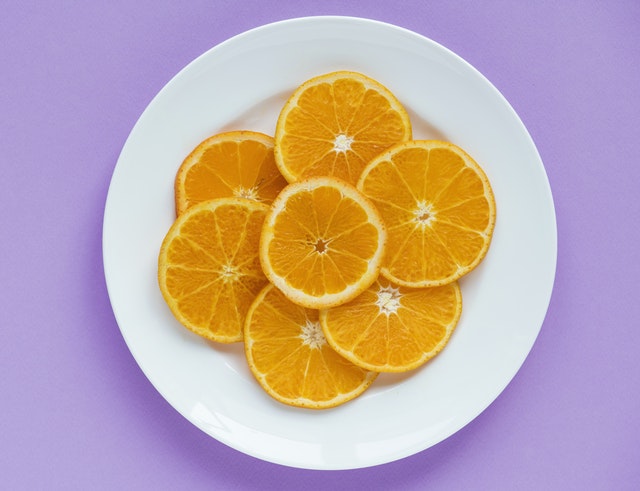
4- Don't Neglect Foods Rich in Vitamin C
Vitamin C is undoubtedly one of the best vitamins in the fight against cellulite. Research has shown that low blood levels of Vitamin C trigger fat storage in the body. There is also strong evidence that high blood levels of Vitamin C cause the body to burn more fat during exercise. Vitamin C is also an important vitamin for the production of Carnitine, which enables the body to use consumed fat for energy production rather than storing it.
Vitamin C not only promotes fat burning — it also strengthens the connective tissue and blood vessels in the body! The stronger the connective tissue, the less visible cellulite appears on the surface. (Connective tissue is made up of protein fibers, collagen, and elastin. The formation of these structures occurs thanks to several important nutrients, including Vitamin C.)
Vitamin C is an important key to keeping blood vessels healthy and functioning properly! Vitamin C deficiency can cause weak blood vessels and even lead to the development of varicose veins. Consuming Vitamin C together with Vitamin E both protects tissues from oxidative effects such as sunlight and smoking through their antioxidant properties, and promotes healthier circulation in blood vessels.
5- Don't Forget to Consume Calcium for Body Composition
One of the essentials of the anti-cellulite diet is Calcium. Calcium is frequently mentioned for bone and dental health, but numerous studies in recent years have proven it to be a far more wide-ranging mineral. New studies emphasize that calcium plays an important role in energy metabolism and the regulation of body composition, and may even have effects such as reducing body fat and maintaining an ideal weight. Studies have shown that a change of just 1 gram in daily calcium intake can make a difference of as much as 8 kilograms (about 17.5 lbs) in body weight.
In addition to rich calcium sources such as milk and dairy products, leafy green vegetables and seafood also contain calcium. To get the most benefit from calcium, remember to consume these foods alongside foods rich in Vitamin D. Vitamin D contributes to the absorption of calcium in the intestines.
6- Consume Iodine to Boost Thyroid Activity
The most well-known function of iodine is regulating the functioning of the thyroid gland, thereby allowing the basal metabolic rate to reach an appropriate level. Iodine deficiency causes the thyroid gland to fail in carrying out its functions and leads to weight gain. Iodine also helps the body detoxify from toxins such as heavy metals and synthetic molecules.
You can meet your iodine needs by consuming foods such as seafood, fish, yogurt, milk, eggs, and strawberries.
7- Limit Your Salt Intake to Prevent Edema
Excessive salt consumption causes the body to retain a great deal of water in order to dilute the salt consumed. We call this fluid retention, or edema. Fluid retention in the body greatly amplifies the appearance of cellulite. Instead of adding extra salt to your food, try seasoning with spices or herbs. Also, don't forget that hidden salt is found in processed foods, canned vegetables, breakfast cereals, and frozen foods!
8- Consume Zinc-Rich Foods to Balance Fat Storage and Appetite
Research has shown that zinc supplementation in cases of zinc deficiency increases leptin levels in the body. Leptin is a key hormone governing energy expenditure, fat storage, and appetite. Insufficient leptin levels are thought to be related to overeating behavior, food addiction, and excessive appetite. Remember to consume zinc-rich sources such as oysters, red meat, and white meat together with Vitamin B6 for better absorption by the body!
9- Include Potassium-Rich Foods in Your Diet
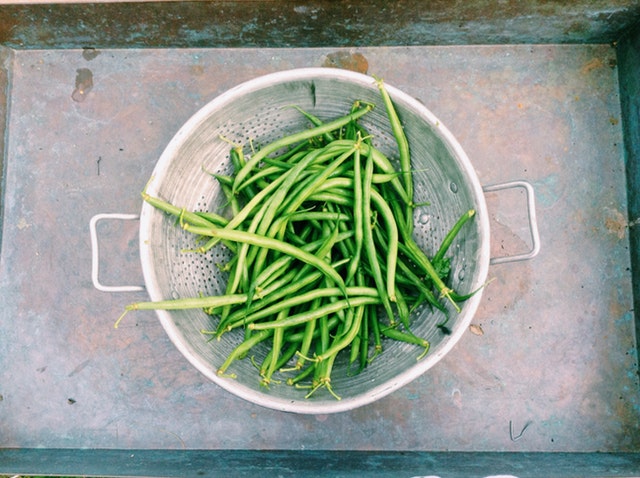
Potassium is one of the most valuable nutrients for reducing fluid retention in the body and flushing out the toxins that cause cellulite. Make sure to add potassium-rich sources such as root vegetables and beans to your anti-cellulite diet!
10- Activate Your Antioxidant Defense: Selenium
Add selenium-rich foods such as mushrooms, cod, shrimp, and nuts to your diet and see the difference in cellulite appearance and overall skin health! Selenium is a key component of the enzymes responsible for antioxidant defense in the body. In this regard, it also serves as a key mineral for skin health. To boost the effectiveness of selenium, it's important to consume it together with Vitamin E.
11- Keep Evening Calories Under Control
According to research, cellulite appearance also significantly decreases in overweight women as they lose weight. To lose weight, you need to reduce the energy you take in from food and increase your energy expenditure through physical activity. To lose 1 kilogram (about 2.2 lbs) per week, you need to expend an extra 7,000 calories. That works out to approximately 1,000 calories per day. Creating a weekly energy deficit of 3,500–7,000 calories to lose 0.5–1.0 kilograms (about 1–2 lbs) is considered the healthiest range for both losing weight and maintaining it.
However, so-called crash diets — those that create a weekly deficit of 7,000–10,500 calories — are diets the body cannot adapt to and can lead to cardiac arrhythmia and even death. Severe caloric restriction will not result in weight loss; on the contrary, it can activate enzymes geared toward fat storage and accelerate fat accumulation. Moreover, excessive caloric restriction causes muscle loss instead of fat burning. Muscle loss makes cellulite more visible on the body and also lowers the body's resting energy expenditure.
Beyond caloric restriction, the timing of an individual's energy intake is also very important for weight management. Spreading total daily energy across 5–6 meals generally keeps the metabolism continuously active. Breakfast should be the most important meal of the day, as this keeps the metabolism running fast and in a fat-burning mode throughout the day.
12- Limit Alcohol Consumption
Alcohol plays a major role in free radical activity in the body, which significantly affects healthy skin. It also suppresses the lymphatic system, making it harder for the body to eliminate toxins. Alcohol is a high-calorie substance at 7 calories per gram. Excessive alcohol consumption is associated with weight gain and the depletion of Vitamin B6 from the body — yet another reason to limit alcohol in our fight against cellulite.
13- Watch Your Fat Intake, but Don't Completely Eliminate Healthy Fats from Your Life
We already know that a high-fat diet increases weight gain and promotes cellulite formation. Fat is a nutrient that contains more energy than carbohydrates and protein. (1 gram of fat contains 9 calories, while 1 gram of protein or carbohydrate contains only 4 calories.)
Fat also has a low thermogenic effect, meaning the body expends very little energy during fat breakdown. Protein, on the other hand, has a high thermogenic effect of around 20–30%; after consuming a protein-rich meal, the body's energy expenditure during digestion increases.
Essential fatty acids (EFAs) are vital for the body's functions. These compounds cannot be synthesized in the body and must be obtained from outside. Therefore, if EFA intake is restricted along with overall fat reduction, it can lead to serious health problems down the line.
Trans fats should be completely eliminated from the diet! Trans fats are formed during food production when fats undergo chemical changes that alter their function, turning them into fats that are very harmful to the body. These fats are commonly found in fried foods, solid margarine, biscuits, crackers, and chips. Studies have also shown that a high trans fat content in the diet is associated with weight gain.
14- Drink Plenty of Water
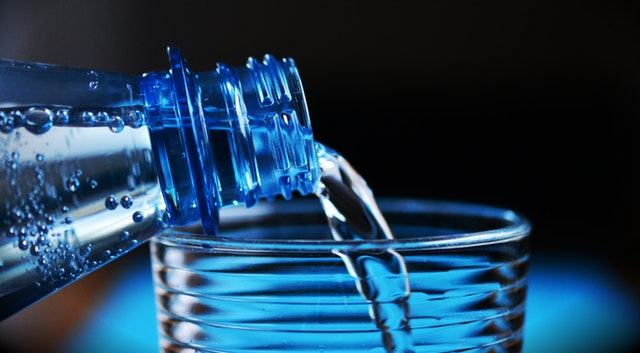
Water is undoubtedly one of the cornerstones of the anti-cellulite diet. In addition to its contribution to toxin elimination in the body, its role in stopping cellulite formation makes it indispensable. Insufficient water intake also increases fluid retention and the appearance of cellulite in the body.
Drinking 2–3 liters of water per day allows the body to flush out toxins through the kidneys rather than relying on the liver. Since the liver's primary job is to break down stored fat in the body, if the kidneys take over the toxin-elimination role from the liver, the liver can focus directly on fat burning!
15- Limit Sugar and Simple Carbohydrates in Your Diet
Simple carbohydrates are the body's number one energy source. In the anti-cellulite diet, sugar and simple carbohydrates should be restricted in order to redirect the body toward fat burning.
A diet high in sugar can increase fat storage and damage connective tissue. Sugar raises blood sugar more quickly than complex carbohydrates and accelerates fat storage. High blood glucose levels can damage blood vessels, which may impede blood circulation in areas prone to cellulite.
16- Make Sure Your Protein Intake Is Adequate
Protein supports the production of collagen and elastin in connective tissue through its essential amino acids. For this reason, protein is one of the essentials of the anti-cellulite diet. The most important amino acids for collagen and elastin production are glycine, proline, and lysine. These three amino acids are found in greatest abundance in fish, eggs, meat, beans, nuts, and seeds. For a strong collagen structure, proline and lysine require cofactors such as Vitamin C, iron, and manganese.
In addition to building strong connective tissue, protein also plays a role in muscle development. More muscle means more energy expenditure! Finally, adequate protein intake helps prevent fluid retention in the body.
17- Increase the Fiber in Your Diet
Fiber is a component found in foods that cannot be digested by the body's enzymes and therefore cannot be absorbed into the bloodstream. As a result, dietary fiber does not provide energy to the body. However, high-fiber foods require more chewing, which causes you to eat more slowly before the body sends fullness signals, thereby preventing you from overeating before that signal is received. (The body sends fullness signals in approximately 10 minutes.)
Fiber performs a similar role in the digestive system by slowing and delaying digestion, so you can feel full for longer.
Additionally, soluble fiber has an indirect role in fighting cellulite by aiding in toxin elimination.
18- Burn Energy with Capsaicin
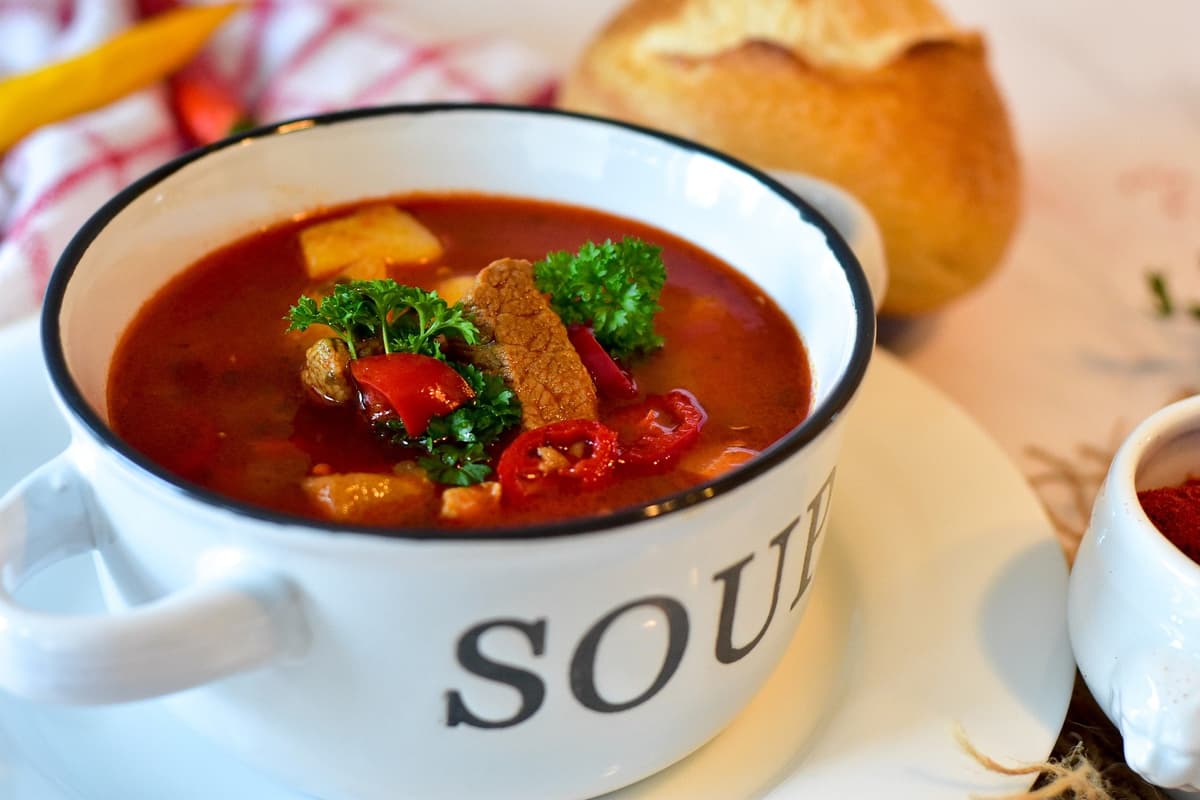
Research has shown that capsaicin — the compound responsible for the spicy taste in chili peppers — increases the body's resting energy expenditure by 25%. Studies have also noted that metabolic rate reaches its peak 75–90 minutes after capsaicin consumption and that its effect lasts for 3 hours.
According to another study, capsaicin also limits appetite and energy intake during meals!