How to Prevent Obesity?
When and how do we gain weight? Does eating breakfast make weight control easier? Does consuming fast food make it harder? So, how can obesity be prevented?
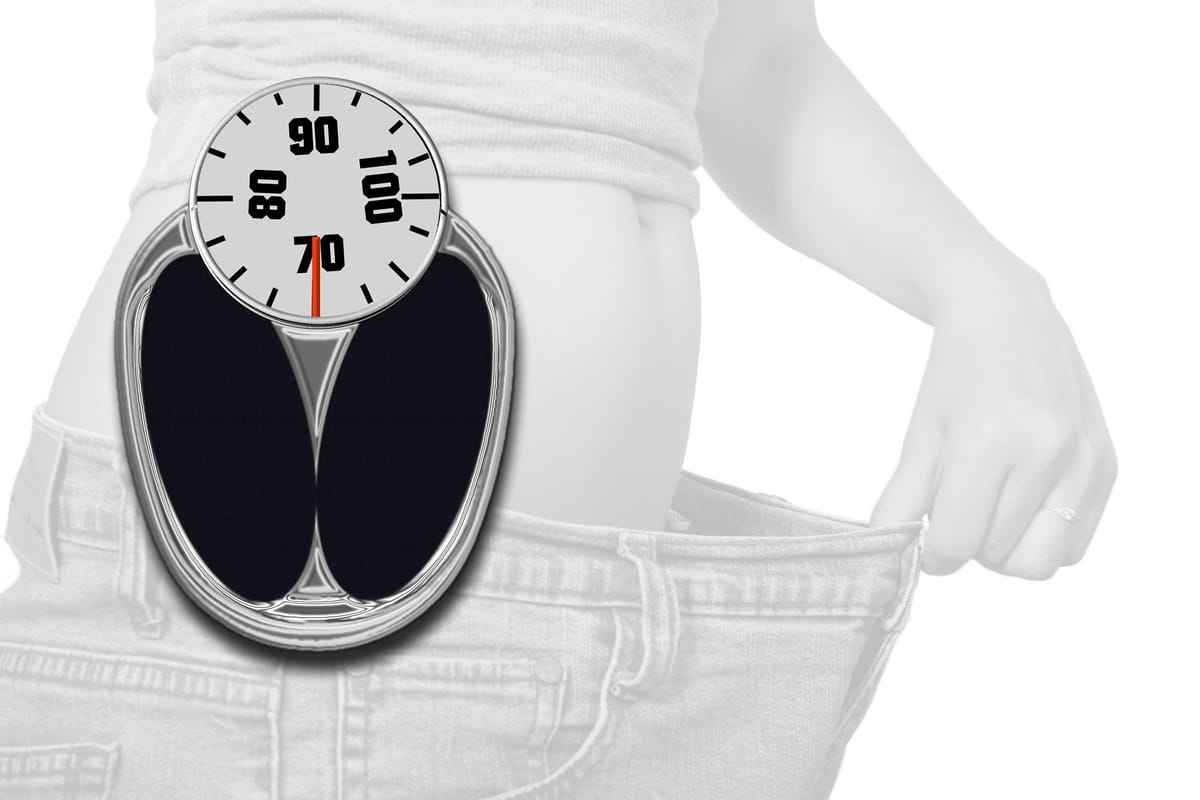

Nutrition and Diet: "The calories in what people eat and drink have a direct effect on their weight" — this is common knowledge today. Equally well known is the idea that "if the energy you consume equals the energy you expend, your weight stays the same." "If you consume more than you expend, your weight increases accordingly — or if you consume less, your weight decreases."…
But what should the variety of those calories look like? Does it matter whether calories come from specific macronutrients — fat, carbohydrates, protein?
Specific food: whole wheat bread or potato chips
Specific diet: Mediterranean diet or high-protein diet
So when or where do people take in these calories? Does eating breakfast, for example, make weight control easier — or does consuming fast food make it harder? Conventional wisdom says: "a calorie is a calorie; whatever the source, the best advice is to eat less and exercise more." However, according to current research, certain foods and consuming them in the right proportions matter for weight management — and conversely, some foods likely make people hungrier and make weight management harder even when consumed in appropriate amounts. For example, whole grain bread, fruits, vegetables, and nuts have positive effects on disease prevention and weight control, while refined grains, sugary drinks, and similar products have the opposite effect — promoting disease and making weight control more difficult.

Macronutrients and Weight Management: Do carbohydrates, fats, and proteins matter? In laboratory studies where participants' diets were strictly controlled, calories from fat, protein, and carbohydrates did not appear to make a significant difference in short-term weight loss. In studies where people freely chose their foods, a low-carbohydrate, high-protein approach appeared effective in the short term but ineffective in the long term. For "healthy" weight loss and prevention of chronic diseases, the quality and sources of these foods matter far more than their relative quantities. The most recent research on this topic shows that the same diet quality message applies to weight control.
Dietary Fats
Low-fat diets have long been promoted as the key to good health and healthy weight loss. Over more than 30 years, Americans reduced their caloric intake from fat — yet a significant rise in obesity was observed. This is because what matters more than the amount of fat consumed is the type of fat. Moreover, while a low-fat diet alone may lead to modest weight loss over time, that amount is insufficient to prevent obesity. The main problem with low-fat diets is that they tend to be high in quickly digested foods such as white bread and white rice. These diets — low in fat but high in simple sugars — increase the risk of weight gain, diabetes, and heart disease. Looking at the research: in the 8-year Nurses' Health Study involving 42,000 middle-aged women, increased consumption of unhealthy foods — particularly trans fats and saturated fats — was associated with weight gain. However, when participants were given a healthy diet rich in monounsaturated and polyunsaturated fats, no association with obesity was found.
Advertisement
Protein
Short-term studies have observed that high-protein diets are effective for weight loss, but long-term diet studies found no meaningful difference compared to other standard diets — and in fact showed that lost weight was rapidly regained during the weight-maintenance phase. High-protein diets are by definition low in carbohydrates and high in fat, which makes it difficult to isolate the benefits of the protein itself from the effects of reduced carbohydrate or increased fat intake. However, there are several reasons why consuming high-protein foods may support weight control:
Greater satiety: When people consume protein-rich foods that take longer to digest, they feel fuller than when they consume fat or carbohydrates.
Greater thermic effect: Storing and metabolizing protein requires more energy than other macronutrients, which helps increase the total amount of energy people expend throughout the day.
Improved body composition: Protein helps preserve lean muscle tissue during weight loss, which tips the energy balance toward greater expenditure. High-protein, low-carbohydrate diets may help prevent diabetes — however, blood lipid profiles should be monitored. Some high-protein foods are healthier than others: high intake of red meat and processed meat is associated with an increased risk of heart disease, diabetes, and colon cancer, so frequent consumption can create serious health problems.
Replacing red and processed meat with nuts, beans, fish, and chicken may help reduce the risk of heart disease and diabetes. This dietary strategy also appears beneficial for weight control, according to new research from the Harvard School of Public Health. That study followed 120,000 men and women for 20 years, observing their lifestyle habits and diets and the effect of small changes on weight gain over time. Over the course of the study, people who consumed more red and processed meat gained approximately 0.45 kg (about 1 lb) per 4-year period, while people who consumed more nuts gained approximately 0.2 kg less per 4-year period.

Carbohydrates
In preventing weight gain and chronic disease, the quality and type of carbohydrate matters more than the quantity. Milled, processed grains — white bread, white rice, white pasta, and products made with similar ingredients — cause rapid digestion of carbohydrates. Potatoes and sugary drinks also fall into this category. The scientific explanation lies in the high glycemic index and glycemic load of these foods. These types of foods cause blood sugar and insulin to spike quickly, which means hunger returns sooner — driving people to overeat. The long-term consequences of consuming such foods include increased weight gain, diabetes, and cardiovascular disease. In one study examining the consumption of these types of foods, participants were asked to consume more french fries, potato chips, refined products, and sugary drinks. The result: participants gained 1.5, 0.58, 0.45, and 0.2 kg respectively per four-year period. Conversely, people who reduced their consumption of these foods experienced weight loss.
Foods that make weight control easier or harder: There is growing evidence that certain foods support weight control. This evidence also shows that some foods are beneficial both for weight control and for preventing chronic diseases such as diabetes and cardiovascular disease. Conversely, there are foods that contribute to weight gain and increase the frequency of these diseases — chief among them refined foods and sugary drinks. Whole Grains, Vegetables, Fruits. Examples of whole grains include bran-based foods, brown rice, barley, and especially their less-processed forms. These foods take much longer to digest than refined ones. This produces a more controlled effect on blood sugar levels and insulin release, which plays a role in regulating hunger. The same applies to fruits and vegetables. What we call "slow carbohydrates" have many beneficial effects in preventing weight gain and disease. Evidence for weight control is stronger for whole grains than for vegetables and fruits. According to a 20-year study conducted at the Harvard School of Public Health, people who increased their intake of whole grains and fruit (not fruit juice) gained 0.18, 0.22, and 0.09 kg less per four-year period. Of course, we cannot ignore the caloric content of these foods. When people increase their intake of these foods, it is most beneficial to reduce their intake of other foods. We can think of fiber as the key reason, since fiber slows digestion and thus suppresses hunger. Additionally, fruits and vegetables contain a significant amount of water, which means feeling fuller on fewer calories.
Advertisement
Nuts
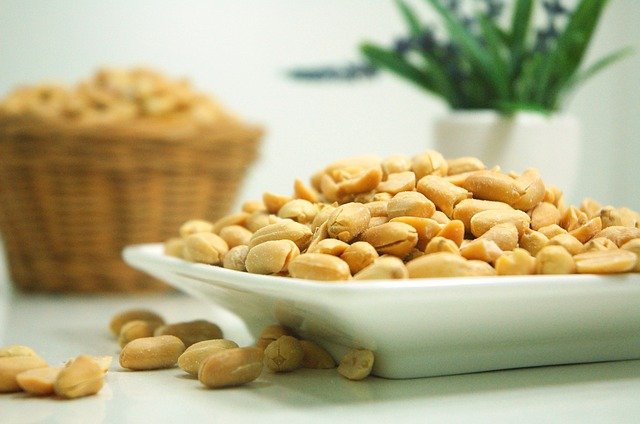
Even a small pack of nuts — which are high in fat — contains a high number of calories and a high fat content, which has led them to be treated as a dietary taboo. But studies show that nuts do not contribute to weight gain and may actually support weight control. This is thought to be due to their high protein and fiber content, which means greater fullness and eating less overall. People who regularly consume these foods show lower rates of heart disease and death from heart attacks compared to those who rarely consume them.
Dairy Products
The U.S. dairy industry has significantly promoted and funded claims about the weight-loss benefits of milk and dairy products, partly based on short-term studies. However, among 50 recent randomized studies, there is little evidence that consuming milk or calcium helps with weight loss. Similarly, long-term follow-up studies have found no evidence that dairy products or calcium prevent weight gain, and a study of adolescents found that increased dairy consumption was associated with a rise in body mass index. According to research conducted at the Harvard School of Public Health, people who increased their yogurt intake gained less weight over time. No evidence was found linking cheese or milk consumption to weight gain or loss. It is thought that the contribution of yogurt to weight loss may be due to the beneficial bacteria it contains, which could influence weight control — though more scientific evidence is needed on this topic.
Sugar and Sugary Drinks
There is substantial evidence that sugary drinks increase weight gain and contribute to diabetes and obesity. A systematic review and meta-analysis of 88 studies found clear links between beverage intake, increased caloric consumption, and weight gain. Recent meta-analyses in children and adolescents show that an extra 0.35 liters (about 12 fl oz) of sugary drink added to the daily diet increases body mass index by 0.08. Another meta-analysis found that regular consumers of sugary drinks face a 26% higher risk of developing type 2 diabetes compared to those who rarely consume them. Emerging evidence also suggests that sugary drink consumption increases the risk of heart disease. Findings indicate that liquid form is not as satisfying as solid form, and people do not eat less to compensate for the extra calories. In the United States, calories from sugary drinks made up 4% of daily caloric intake in the 1970s — by 2001, that figure had risen to 9%. New research warns children and adults about this increase in sugary drink consumption. The most recent findings show that 25% of the population gets at least 200 calories of their daily energy from sugary drinks, and 5% get at least 567 calories of their daily energy from sugary drinks. Good news from a study of children and adolescents: reducing consumption of sugary drinks helps with weight loss. Sugary drinks have become a key target in efforts to combat obesity — political debates in the United States over taxing sugary drinks are a testament to the ongoing struggle in this area.
Advertisement
Fruit Juices
It should first be noted that fruit juices are no different from sugary drinks when it comes to weight control. Fruit juices — even 100% unsweetened ones — contain the same number of calories as sugary sodas. In a study of more than 120,000 men and women conducted at the Harvard School of Public Health over more than 20 years, people who increased their fruit juice intake gained more weight over time than those who did not. Pediatricians and public health professionals recommend that if fruit juice is consumed at all, intake should be limited to no more than one tea glass (about 100 ml / 1/3 cup + 1 tbsp) per day. Although alcoholic beverages contain more alcohol per unit than sugary drinks, there is no clear evidence that moderate alcohol consumption increases weight gain. Recent studies on diet and lifestyle found that people who increased their alcohol intake gained weight, but that this varied depending on the type of alcoholic beverage. Several earlier studies found no difference in weight gain between light or moderate drinkers and non-drinkers, and some showed that light to moderate drinkers actually gained less weight than non-drinkers.

Eating Patterns and Portion Sizes
Recent research focuses on the effects of dietary and meal patterns on weight control and weight gain, since portion sizes have steadily grown over the past decade — as has fast food consumption. The "Prudent" dietary pattern, which emphasizes more fruits, vegetables, and whole grains, is seen as protective against weight gain. The "Western Style" pattern, associated with more sugary drinks, refined foods, higher red meat intake, and sweets, is linked to obesity. Moreover, the Western-style diet is not only associated with obesity but also with increased rates of diabetes, cardiovascular disease, and other chronic complications. There is strong evidence that the Mediterranean diet helps prevent heart disease. The Mediterranean diet also plays a strong role in weight control.
Mediterranean Diet
It contains a higher proportion of fat than the American diet — 40% fat in the Mediterranean diet versus 34% in the American diet — but in the Mediterranean diet, the source of fat is predominantly plant-based, mainly olive oil. The Mediterranean diet is also rich in fruits, vegetables, nuts, beans, and fish. Several systematic reviews published in 2008 (though not all) found that people who followed a Mediterranean diet lost more weight and had lower rates of obesity. Breakfast, Meal Frequency, and Snacking: Several studies show that skipping breakfast is associated with obesity and weight gain. This association is even stronger in children and adolescents than in adults.
Portion Size
Since the 1970s, portion sizes have increased for both children and adults, both at home and when eating out. Short-term studies clearly show that larger portion sizes lead to overeating. One study produced an interesting finding: individuals who chose medium-sized popcorn instead of large said they did not enjoy the medium size as much. This suggests an intuitive link between portion sizes and rising obesity, though long-term prospective studies will be needed to strengthen this hypothesis.

Fast Food
Fast food is part of our lives — with its large portions, low prices, appealing flavors, and high sugar content. Studies in both young people and adults show that the frequency of fast food consumption is associated with obesity and weight gain. In the CARDIA study, 3,000 adults were followed for 13 years. Those who consumed high levels of fast food at the start of the study gained 5.8 kg (about 13 lb) more than those who consumed little. Additionally, increases in waist circumference and triglyceride levels were observed in these individuals. The risk of Metabolic Syndrome doubled. More research is needed to determine whether environmental factors or personal characteristics trigger fast food consumption, as these conditions may be driving people to eat more.
The Bottom Line: A Healthy Diet Protects Against Weight Gain and Chronic Disease
Weight gain in adulthood is common and gradual — approximately 0.45 kg (about 1 lb) per year. Because it is such a slow accumulation, many people fail to notice it — yet over the years, it leads not only to weight problems but also to a range of diseases. Nearly all recent studies indicate that making healthy food choices helps prevent diabetes, chronic diseases, and heart disease.