Increase Your Chances of Conceiving Naturally
Couples who want to have a baby can boost their fertility rates by up to 69% by paying attention to their diet and lifestyle. So what should you watch out for, and how should you eat?


Today, there are quite a few factors that negatively affect couples who want to have a baby. Stress, irregular eating habits, a rise in chronic health conditions, and declining levels of physical activity are all negative factors that affect individual fertility and delay conception. Around 15% of couples may experience difficulties conceiving because of these reasons; however, when couples pay attention to their diet and lifestyle in order to have a healthy baby, they can raise their fertility rates by up to 69%. So what dietary points should couples who want to have a baby pay attention to?
1) Eat Foods Rich in Antioxidants!
Minerals with antioxidant properties, such as folate and zinc, help improve egg quality in women and sperm quality in men. These antioxidants are highly effective at preventing damage caused by free radicals that harm your cells. Research supports this! One study conducted on men showed that men who consumed about 75 g of walnuts per day improved their sperm quality. In a separate study of 60 couples undergoing IVF treatment, couples who took antioxidant supplements were found to have a 23% higher rate of conception. In short, consuming fruits, vegetables, and nuts such as raw hazelnuts, almonds, and walnuts in adequate and balanced amounts helps you get antioxidant vitamins and minerals like vitamin C, vitamin E, folate, and zinc into your body — and increases your chances of having a baby.

2) Don't Start Your Day Without Breakfast!
A healthy and balanced eating plan simply cannot be imagined without breakfast! Of course, couples who want to have a baby should also make a point of starting the day with a healthy breakfast. A study on polycystic ovary syndrome (PCOS) — a condition seen in 1 in 5 women in Turkey that makes conceiving more difficult due to hormonal imbalances — showed that when women with this condition started their day with a healthy breakfast, their insulin levels decreased by 8% and their testosterone levels decreased by 50%. Remember that a healthy breakfast has a major impact on your appetite, hormones, and blood sugar levels — so always start your day with a good breakfast!
3) Stay Away from Trans Fats!
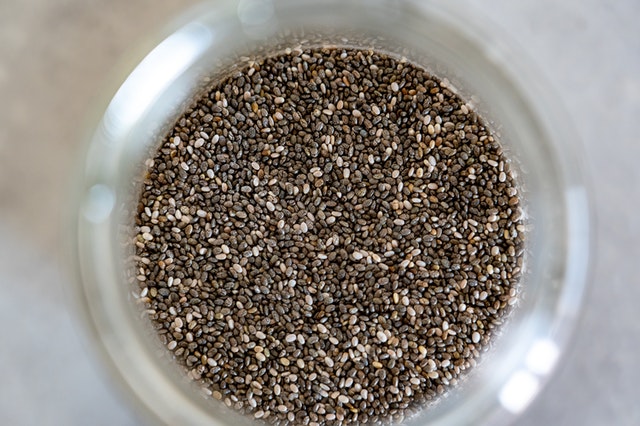
If you want to grow your family, make a point of consuming healthy fats instead of trans fats! The high trans fat content found in ready-made foods — especially those commonly consumed outside the home and known as "fast food" — can lead to decreased insulin sensitivity and affect the ovaries. Instead of eating foods with high trans fat content when dining out, don't neglect getting your healthy fats from sources like raw almonds, hazelnuts, flaxseeds, and chia seeds.
4) Choose Low Glycemic Index Foods!
The glycemic index refers to how much a carbohydrate raises blood sugar. Eating foods with a low glycemic index helps you stay fuller for longer, lowers insulin levels, and helps regulate the menstrual cycle. One study found that women who consumed high glycemic index foods had a 78% greater risk of being unable to conceive. To boost your fertility and maintain your health, make a point of consuming fiber-rich, low glycemic index foods such as whole wheat bread, whole wheat pasta, bulgur (cracked wheat), quinoa, and brown rice. Try to eliminate foods that contain refined sugar and low amounts of fiber from your life. Consuming these foods can cause sudden spikes in your blood sugar and may also reduce your chances of conceiving.
5) Increase Your Fiber Intake!
Your fiber intake is critically important for your digestive system, blood sugar balance, and maintaining your overall health. By increasing your fiber intake in your daily diet, you can both improve your chances of conceiving and help your body regain its health. Enrich your snacks with dried and fresh fruits; make a habit of eating raw and cooked vegetables; and don't forget to include fiber-rich sources like oats, whole grain bread, bulgur (cracked wheat), brown rice, and quinoa in your diet!

6) Step Into a More Active Lifestyle!
Not everyone needs to be a professional athlete; however, you should keep in mind that increasing your physical activity will make it easier to conceive. Research shows that as your level of physical activity decreases, your chances of having a baby decrease proportionally. Increasing physical activity doesn't just mean spending hours burning energy at the gym. By taking short walks throughout the day, using public transportation, and opting for the stairs instead of the elevator, you can boost both your physical activity and your chances of conceiving. Be aware that excessive exercise can also negatively affect fertility, and be sure to consult a fitness trainer to find an exercise program that suits you.
7) Limit Your Caffeine Intake!
High caffeine consumption can affect your fertility! One study shows that consuming more than 500 mg of caffeine per day makes it harder to get pregnant. Moreover, this high caffeine intake has also been linked to miscarriages. For the sake of both your own health and making conception easier, you should be mindful of beverages and foods that contain caffeine. Try not to exceed 300 mg of caffeine per day. (Note: an 8 oz (220–240 ml) cup of coffee contains approximately 85 mg of caffeine, the same-sized cup of tea contains approximately 24 mg, and about 1 oz (30 g) of chocolate contains approximately 8 mg of caffeine.)

8) Take Some Time to Relax!
High stress levels are a major problem that reduces fertility. Research indicates that 30% of women who visit IVF clinics experience intense stress, anxiety, and depression. The hormonal changes that come with high stress can delay your ability to conceive. If you are struggling to cope, you may want to consider seeking help from a psychologist.