Is Rice Consumption Beneficial?
Contrary to popular belief, rice is a remarkably rich source of minerals such as calcium, iron, niacin, phosphorus, and potassium. Here are 5 important benefits of rice you may not know...
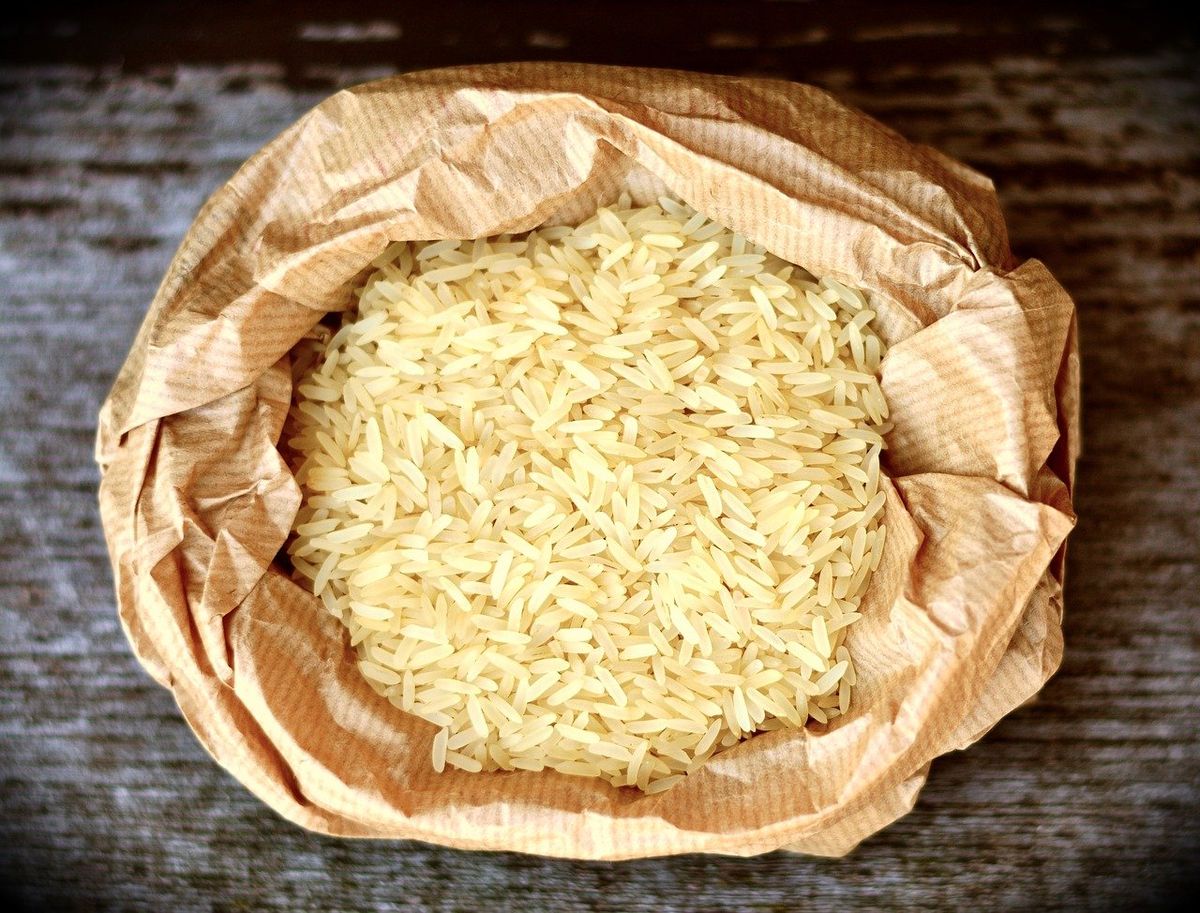

According to Expert Dietitian İpek Ağaca Özger; contrary to popular belief, rice is a healthy and nutritious food when consumed in a controlled manner. Rice, which everyone of us enjoys eating, can be happily consumed by all age groups, from young to old. Particularly valuable for the minerals it contains — such as calcium, iron, niacin, phosphorus, and potassium — rice is also very rich in B-group vitamins, which play a role in energy production. Rice is also a good source of carbohydrates. Considering that 50% of our daily energy needs to come from carbohydrates, rice is an excellent source in this regard. Since rice does not contain gluten, it is a food that people with celiac disease and gluten intolerance can comfortably consume. Although its glycemic index is known to be high, I would like to point out that it is still lower than that of sugar. According to USA Rice data, more than forty thousand varieties of rice can be found worldwide.
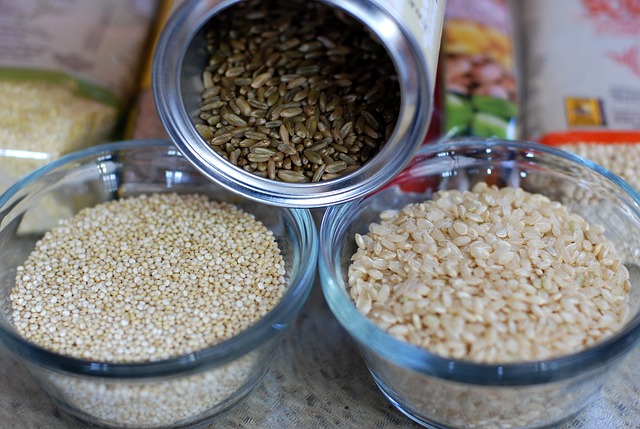
When consumed together with vegetable dishes and salads, it does not stress blood sugar much and raises it more slowly. If consumed in appropriate amounts, it can also be included in weight-loss diets. 3 tablespoons of cooked rice is equivalent to 1 slice of bread.
According to Expert Dietitian İpek Ağaca Özger, here are 5 important benefits of rice — a health treasure and one of the staples of Turkish cuisine;
1- Energy Source
Rice is a rich source of carbohydrates and consists of long carbohydrate chains that take time to digest. As a result, the carbohydrates in rice can provide a sustained source of energy. Wild (brown) rice, when consumed in appropriate amounts under the supervision of a dietitian, can even be beneficial for diabetes patients.
2- High Nutritional Value
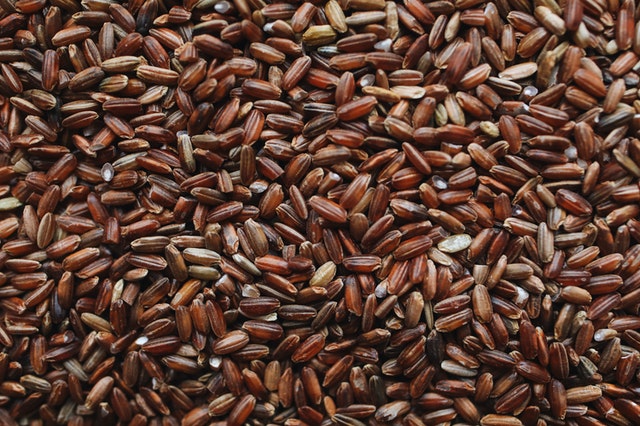
Both white and brown rice have their own unique nutritional value. White rice contains high levels of minerals such as calcium and iron, and is also rich in vitamins such as niacin, vitamin D, thiamine, and riboflavin. Brown rice, on the other hand, is rich in fiber and can therefore help improve digestion.
3- Helps Control Disease
Rice is known to help control various diseases. Brown rice contains high amounts of neurotransmitters that help prevent the development of Alzheimer's disease. In addition, whether white or brown, rice contains antioxidants that can help protect the heart and prevent the development of heart disease and heart attacks.
4- Helps Prevent Constipation
Rice contains very low amounts of sodium, which can help control high blood pressure.
Wild rice is an excellent source of healthy fiber. These fibers can help promote the growth of beneficial bacteria that improve digestion and help regulate bowel movements.
5- Gluten-Free Food
Rice contains no gluten, so it can easily be incorporated into the diet of those suffering from celiac disease and those who are allergic to proteins found in wheat, barley, rye, and oats.