The Benefits of Jerusalem Artichoke Are Endless
Experts say you can enjoy it raw or in olive oil dishes, meat dishes, and salads. But what exactly is Jerusalem artichoke? What are its benefits? Find out everything in our article…
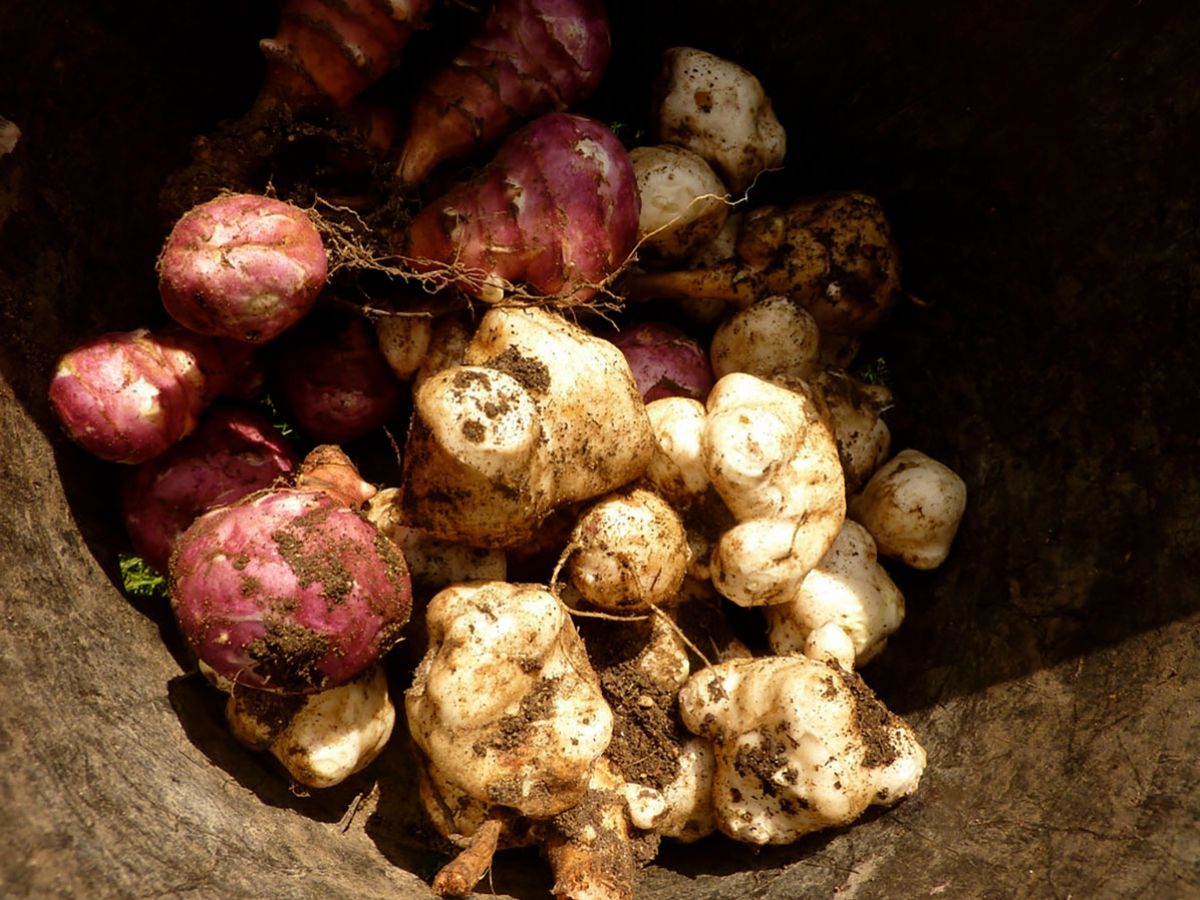

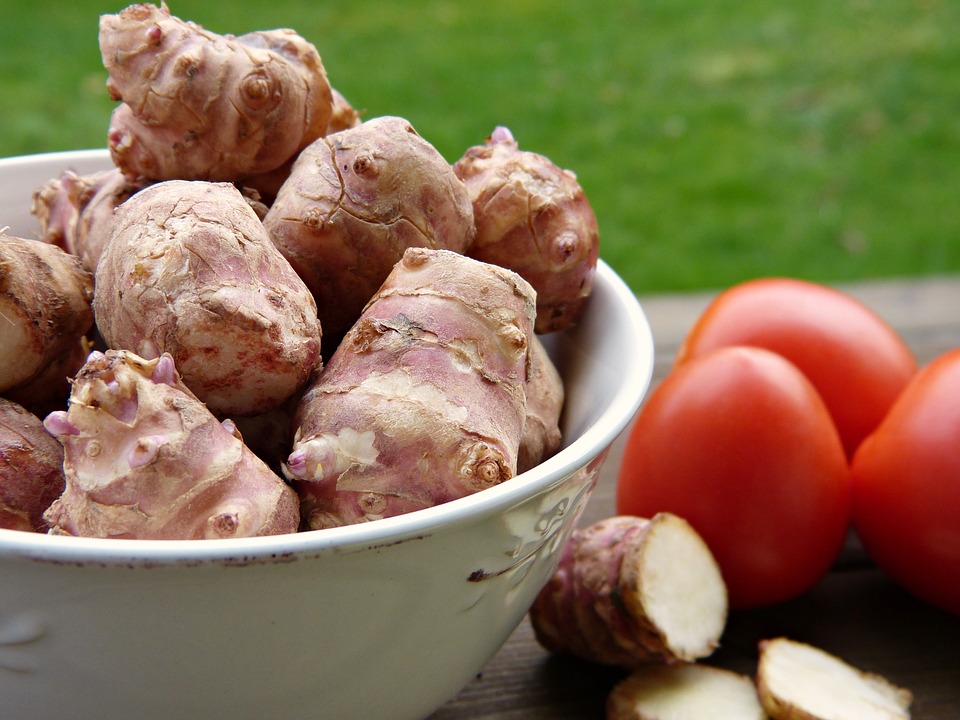
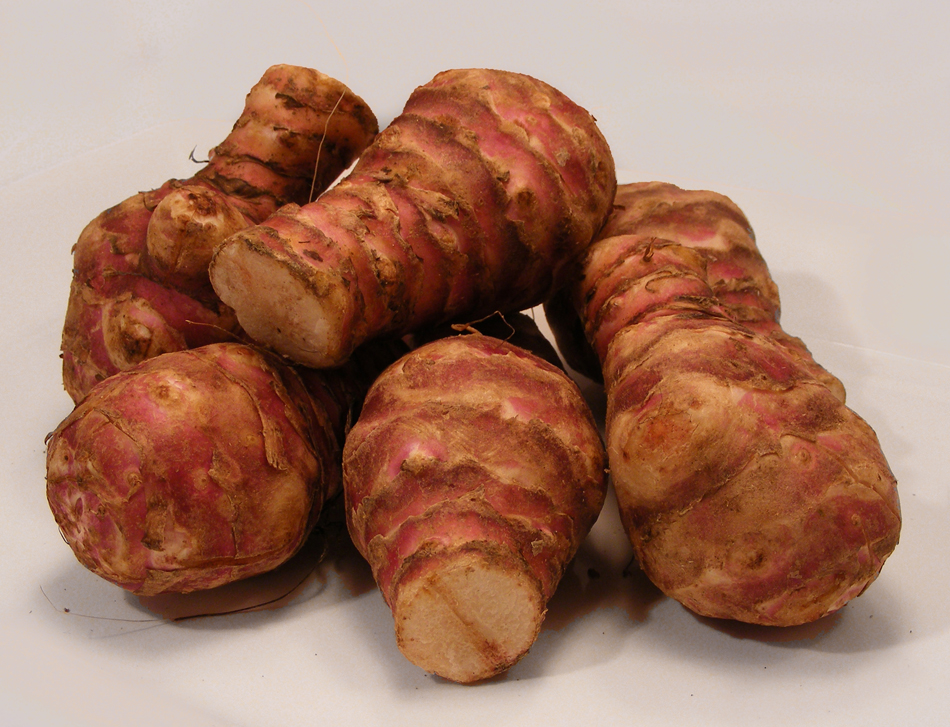
Jerusalem artichoke is a very important winter vegetable with a high concentration of vitamins and minerals. It resembles a potato both in shape and in the way it is grown. It belongs to the Asteraceae (composite) family and is native to North America, though it is also cultivated in Europe and in Turkey. The taste and texture of Jerusalem artichoke are similar to radish, due to the inulin compound it contains.
How Should We Consume Jerusalem Artichoke?
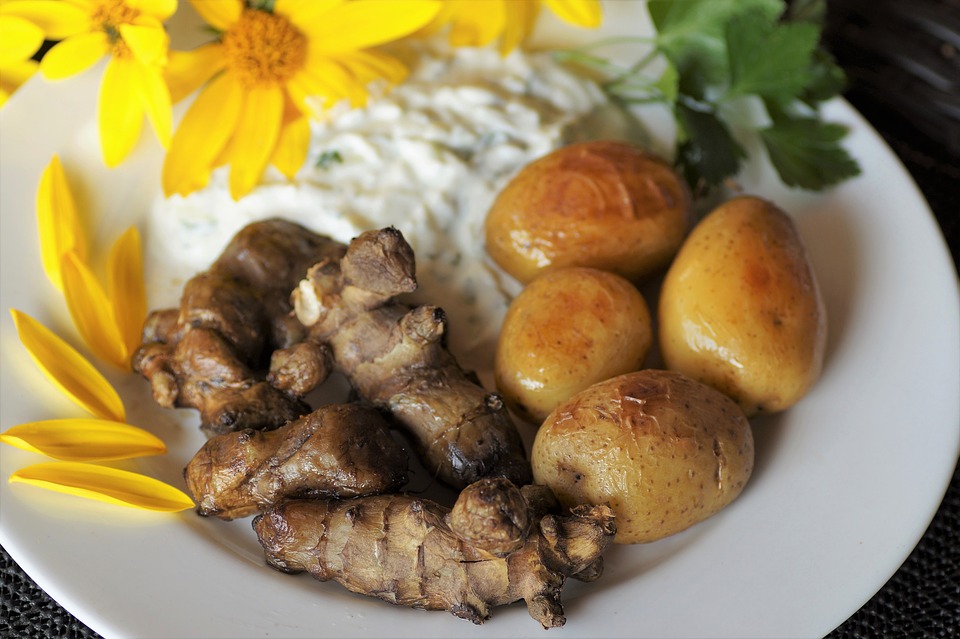
If you wish, you can peel the skin of Jerusalem artichoke like a potato and eat it raw. Diabetics are especially advised to consume it raw. You can also juice it raw and drink the juice, or fry, boil, or cook it before eating.
What Are Its Countless Benefits?
• Thanks to its richness in iron, it is good for anemia.
• It builds the body's resistance against various types of cancer.
• The "inulin" compound it contains provides protection especially against colon cancer. This compound has important functions in the intestines.
• The high amount of potassium it contains helps protect against cardiovascular diseases.
• Thanks to the high levels of B and C vitamins it contains, it strengthens the immune system.
• It is a natural diuretic. It also relieves constipation.
• It makes the skin look brighter and more beautiful.
• It supports the healthy functioning of the kidneys, gallbladder, and pancreas.
• It significantly reduces the discomfort caused by hemorrhoids.
• It is beneficial for eye health.
• It soothes the chest and relieves dry coughs.
• If you rinse your hair with the water it was boiled in, your hair roots will be strengthened and your hair will shine.
• It has blood sugar-regulating properties. Diabetics should consume this vegetable raw or boiled.
• Being rich in phosphorus, it provides significant benefits for bone health and protects against bone loss.
• It relieves rheumatic pain.
• It is good for stomach spasms.
• Its cell-repairing effect promotes a more youthful appearance.
• It is good for problems such as stress and fatigue.
What Are Its Nutritional Values?
Rich in potassium, folic acid, iron, and fiber, Jerusalem artichoke weighs an average of 110 g (about 3.9 oz) and contains 82 calories.
Jerusalem artichoke is quite low in calories. Per 100 g, it contains: Carbohydrates 17.44 g, Fat 0.01 g, Fiber 1.6 g, Cholesterol 0 mg, Protein 2 g, Sodium 4 mg, Potassium 429 mg, Calcium 14 mg, Vitamin A 20 IU, Vitamin C 4 mg, Iron 3.4 mg.