We Can Manage Our Water Needs During Ramadan With What We Eat at Iftar!
Dietitian Gülşen Kadri explains how we can manage our water needs during Ramadan through what we eat at iftar and suhoor, and shares helpful hydration tips.
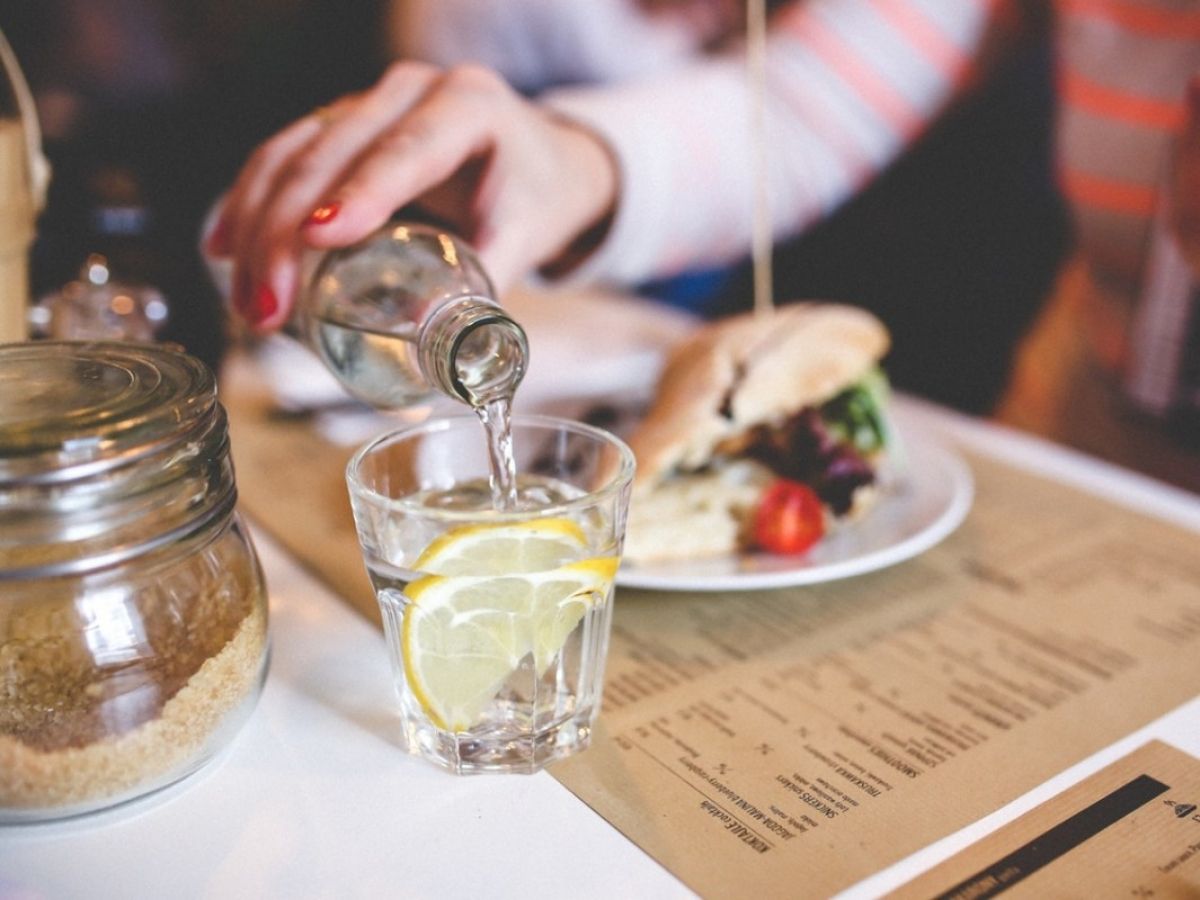

Water is the most important source of life for humans after oxygen. About 70% of our body, 83% of our blood, 22% of our bones, and 75% of our brain and muscles are made up of water. A healthy person can survive for weeks without food, but can withstand thirst for no more than 2–3 days.
Replenishing our body's water loss is especially important during Ramadan!
Water is expelled from the body every day through various mechanisms in order to flush out toxins. For this reason, any drop in water intake can affect the proper functioning of our body's cells and nerves. On the other hand, low water consumption can cause unwanted side effects such as constipation, headaches, dizziness, fatigue, and dry skin. In severe cases of dehydration, more serious complications such as kidney problems, reduced hormonal activity, and digestive system disorders may also occur.
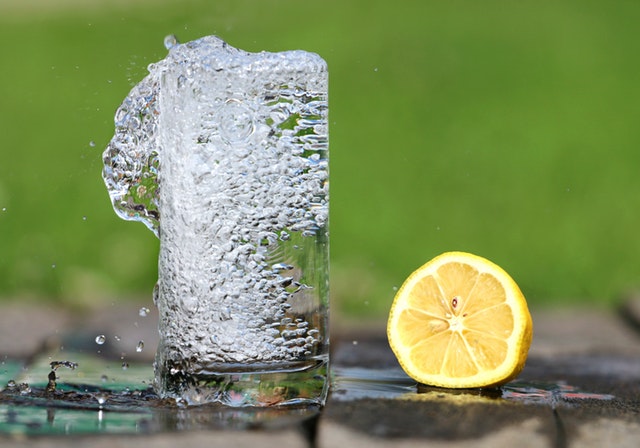
Replenishing the water lost from the body and meeting our hydration needs is vitally important for our vital functions to work properly. That is why compensating for water loss in our bodies is especially crucial during the Ramadan period.
When the water lost from the body is replaced, studies show improvements of up to 15% in our ability to perform physical activities, nearly 100% in our ability to carry out mental activities and react to events, and nearly 20% in our ability to solve problems or process information.
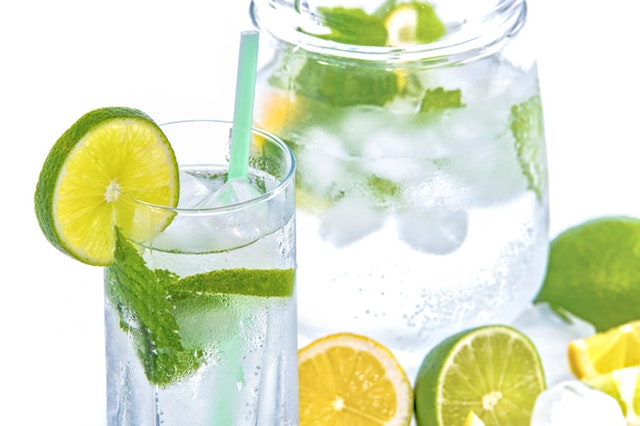
Why can't other beverages replace water?
Water is undoubtedly the best beverage for dealing with thirst during Ramadan. There are several reasons for this:
- Unlike water, other beverages contain large amounts of sugar and can cause you to consume unnecessary extra calories that have no nutritional value for your body.
- Consuming too many carbonated drinks and similar sodas in particular will fill your stomach and slow down your digestion, leading to many problems such as gas, bloating, stomach pain, and weight gain.
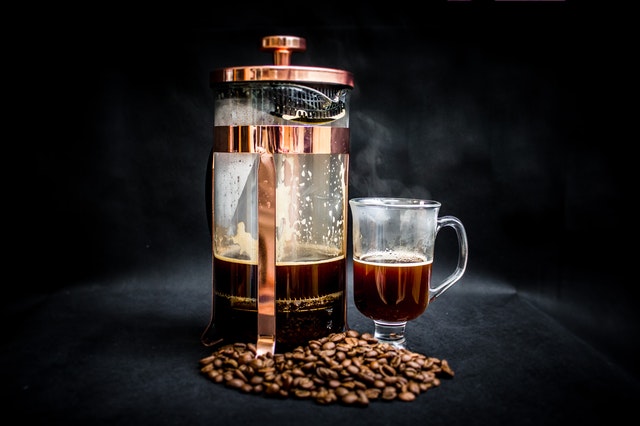
- Some carbonated drinks and caffeinated beverages such as coffee and tea increase water excretion from the body, which can lead to water loss.
How can we manage our thirst through what we eat at iftar and suhoor?
While you are fasting, keep in mind that what you eat at iftar and suhoor also plays an important role in managing your thirst. Here are a few tips to help you keep your body hydrated during Ramadan:
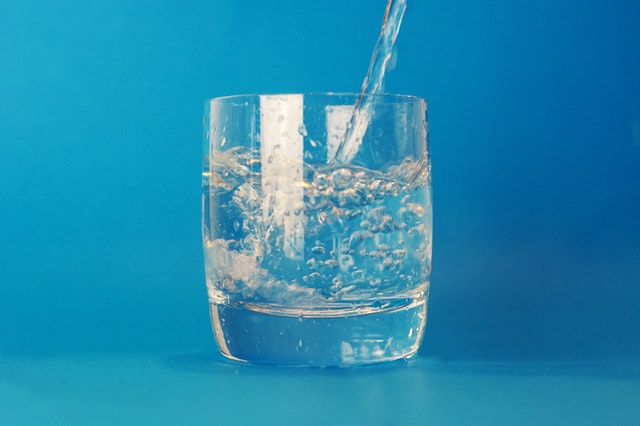
- Try not to drink large amounts of water during meals. Instead, drink water in small sips between meals — between iftar and suhoor — aiming for at least 8–10 glasses throughout the day.
- Avoid hot and spicy foods, as they increase thirst.
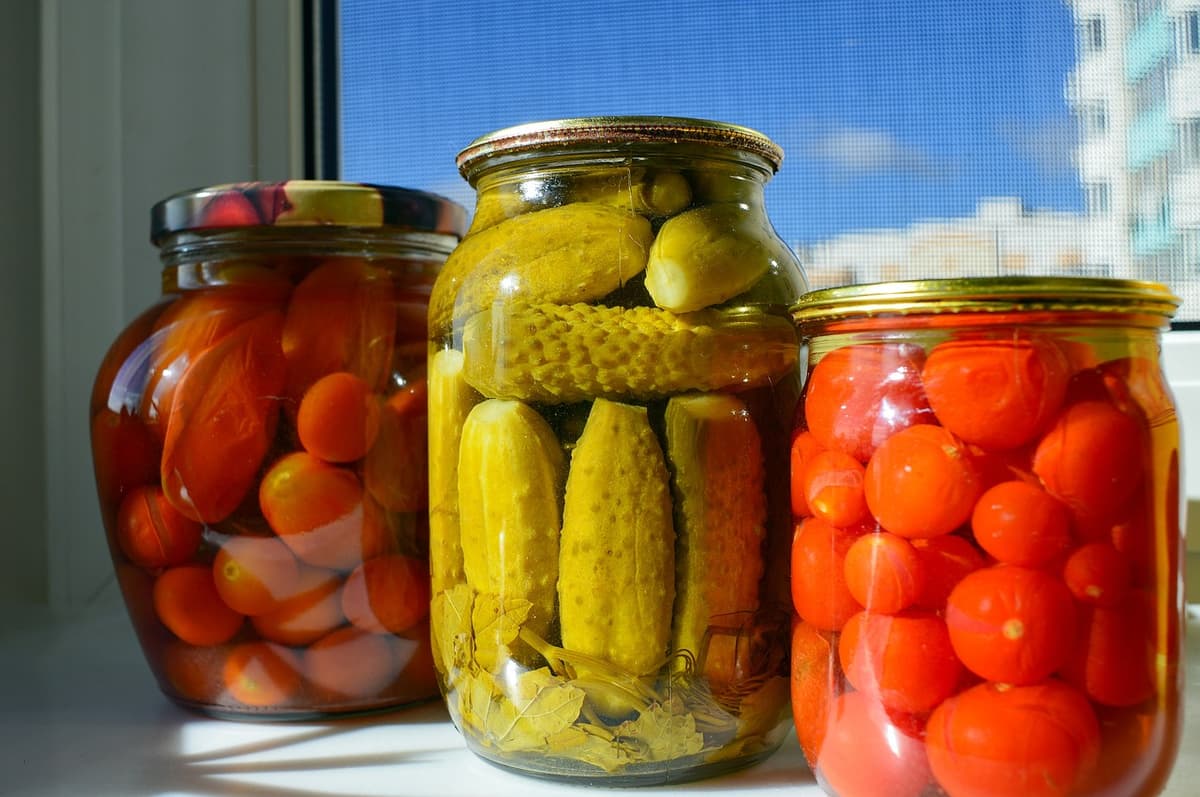
- Do not add too much salt to salads and other dishes. Also avoid consuming high-sodium foods such as pickles, processed meats, and certain processed foods, as they cause water retention and increase the body's need for water.
- Consume fresh fruits and vegetables — they are rich in water and fiber. They stay in the intestines for a long time and help reduce thirst. Variety matters: try to consume at least 5 different types of fruits and vegetables in total. Remember, each fruit and vegetable provides different vitamins, minerals, and benefits — the more variety, the more benefit!
- Drink fresh fruit juices instead of sugary fruit juices.
Gülşen Kadri, Country Dietitian at Sofra/Compass Group Turkey