What Do the Culinary Terms We Hear on MasterChef Mean?
We've all been curious about the culinary terms frequently used by MasterChef contestants and chefs. But what do they actually mean? Here are the answers to the questions we've been wondering about...
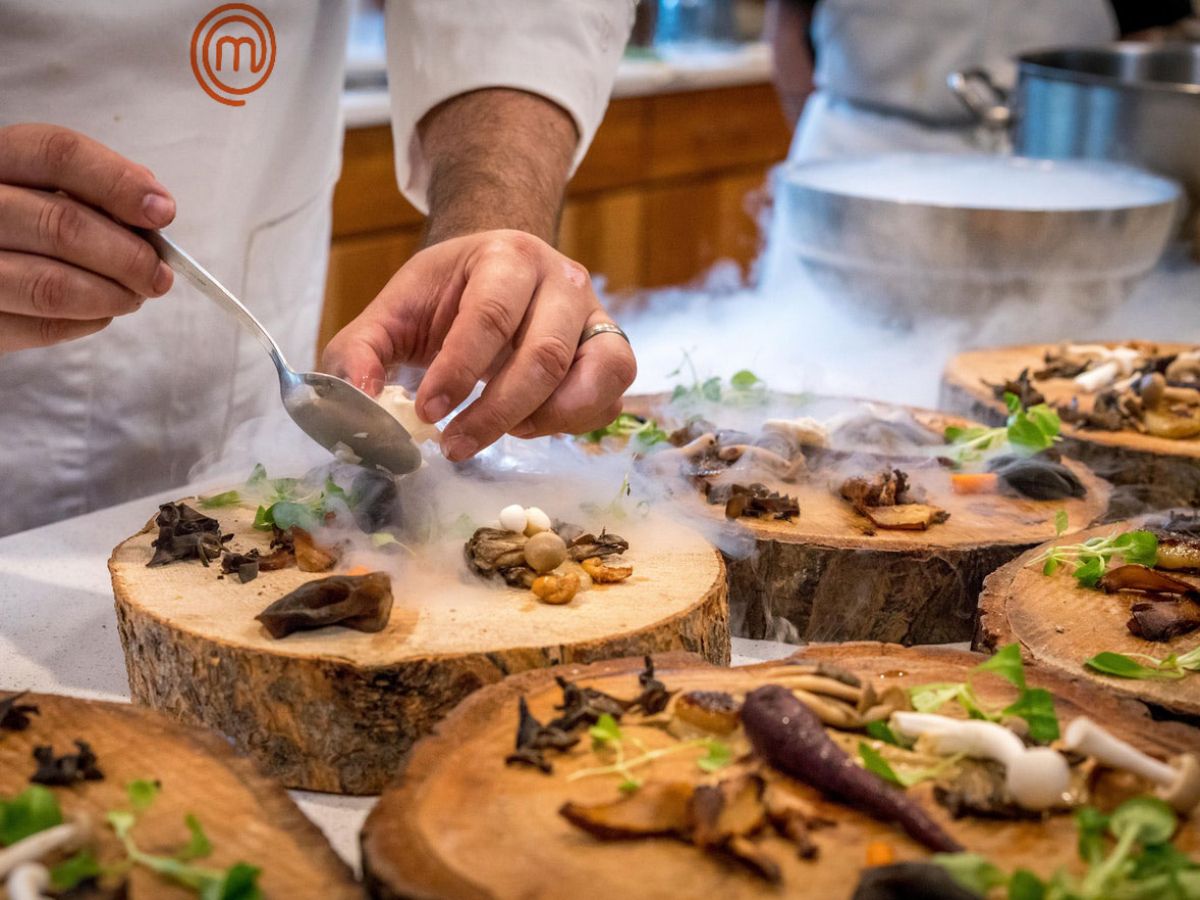

Thanks to MasterChef — the beloved competition show broadcast in many countries around the world — we've come across many different culinary terms. Some we already use in our own kitchens, while others we're hearing for the very first time. From mise en place to tuile, from al dente to brunoise, here are the MasterChef culinary terms that have made their way from professional kitchens right into our homes…
Surf and Turf
Surf and turf is the general name for dishes that bring together seafood and meat on a single plate. These are typically paired as a shellfish — such as shrimp, lobster, or scallop — alongside a steak. An English-language term, surf and turf (also written as surf 'n' turf) was coined in the United States in the 1960s.
Lemon Zest
Its Turkish equivalent is simply grated lemon peel. It's generally used to garnish dishes and add a subtle tartness. That said, it's also remarkably effective in dessert-making.

Brunoise
Brunoise (from the French brunoise) is a cutting technique. It refers to dicing vegetables such as onions, carrots, and peppers into very small cubes. It's considered one of the most fundamental knife cuts in the kitchen. An even smaller version of the brunoise is called fine brunoise.
Poaching
Thanks to MasterChef, the word "poached" almost always brings poached eggs to mind. In fact, poaching is a type of boiling method. The key goal of the poaching technique is to preserve the shape of the ingredient while cooking it. Poaching is used for eggs, fish such as salmon, white-fleshed oily fish that become heavy when cooked over direct heat, as well as chicken breast and delicate vegetable dishes that might fall apart.
Sweating
Sweating is a type of cooking process used to soften vegetables — particularly those with longer cooking times, such as eggplant and onions cooked alongside meat in kebab preparations — without browning them. The vegetables are cooked with a small amount of water over very low heat with the lid on for about 15–20 minutes. This process is called sweating.
Plating
Plating refers to transferring a dish from the pot or pan to the serving plate. What matters at the plating stage is that the plate is designed to be visually appealing, whet the appetite, and enhance the flavor of the dish. For example, serving a fish with crispy skin on top of a moist sauce causes the skin to lose its crunch, making it an incorrect plating approach.

Glazing
Glazing is the process of sautéing a cooked food item with the addition of butter, liquid, and sugar to give it a shiny finish. Coating products with a jelly-like layer or polishing them with fats also falls under this technique. In pastry, coating products with glossy liquids is also referred to as glazing.
Blanching
Blanching is the process of briefly boiling foods in salted water and then cooling them immediately in ice water.
Tuile
The original French is "tuile." It refers to a thin, crispy element added to dishes for decoration and texture. The French word "tuile" means roof tile, and tuiles are generally made in that tile shape — though you may also come across lace-like tuiles with an open, perforated design.

Basting
Basting refers to cooking meat, seafood, or similar ingredients in a pan with butter. The butter added to the pan is melted and then repeatedly spooned over the top of the meat to coat it on all sides. This way, the meat develops a unique flavor without drying out.
Fermentation
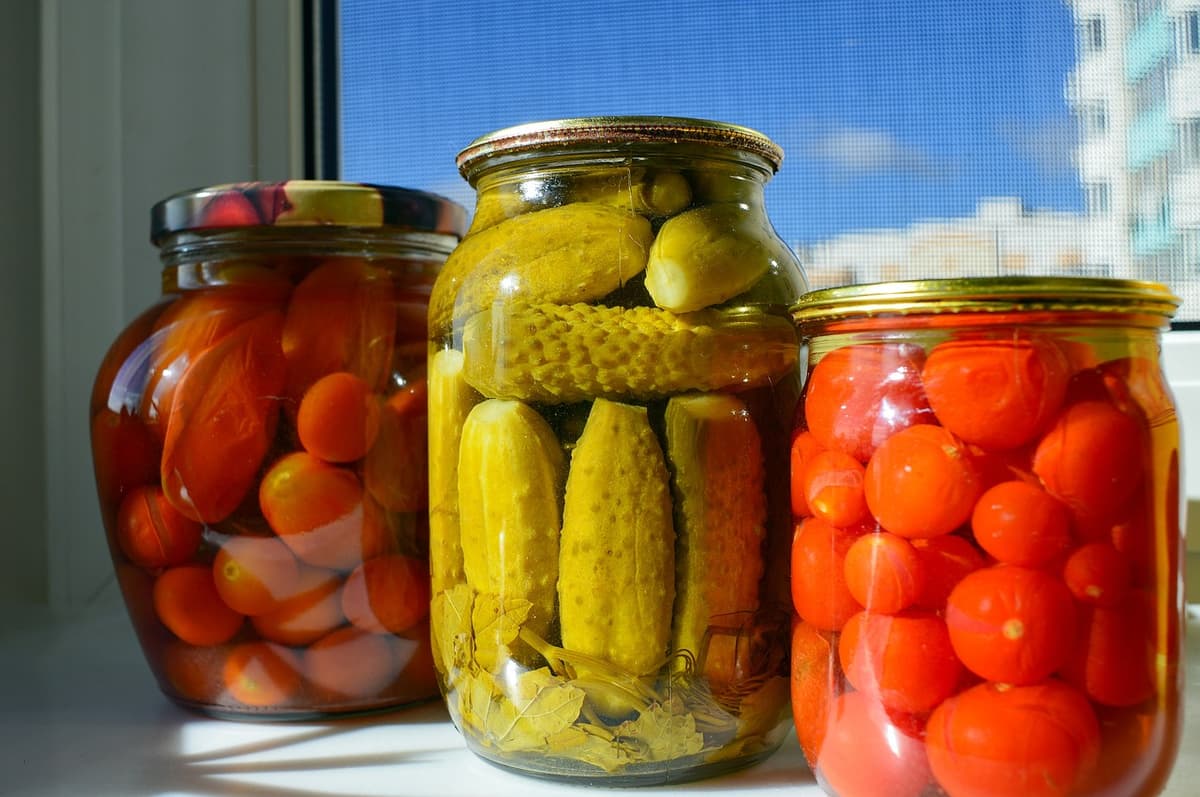
The fermentation reaction is used at many stages of cooking, from making pickles and boza (fermented grain drink) to baking bread and producing certain dairy products.
Roux
The Turkish pronunciation of the French word "roux." Roux is made by cooking equal amounts of flour and butter together until the flour loses its raw smell. It is the base ingredient of fundamental sauces such as béchamel, velouté, and espagnole. It is also known by the Persian-derived Turkish name meyana.

Smoking
Smoking, or making something "fumé," is the process of preparing food under smoke — a type of cooking technique. Meats and fish are the foods most commonly smoked. However, poultry and cheese can also be prepared using the smoking method.
Gastronorm (GN) Container
Also known as "gastronorm" — or sometimes incorrectly called "gastronom" — these containers are among the greatest helpers for kitchen workers. Made of metal or plastic in a rectangular shape, gastronorm containers come in various sizes and serve many purposes, including washing, mixing, and serving ingredients.
Binding
Binding refers to the process of thickening and bringing together liquid foods such as sauces, soups, and stews by adding various ingredients. Flour, starch, egg yolk, cream, and cheese are among the many ingredients that can be used as binders.

Reduction
Reduction is the French culinary term for the process of simmering a liquid down to concentrate its flavors. Professionals sometimes prefer to use the term this way. For example, recently Chef Mehmet asked Sedat, "How long will it take for this meat stock to reduce?"
Fine Dining
Dishes created when chefs reinterpret a particular cuisine or ingredient by adding their own personal touch are called "interpretation plates." An interpretation plate typically fuses the traditional with the modern in a single dish. Giving classic dishes a fine-dining treatment can also be described as an interpretation plate.
Mise en Place
Coming from the French expression "mise en place," which roughly means "everything in its place," mise en place refers to the preparation of all ingredients and tools needed for a dish before cooking begins. In restaurants, this process takes place before service starts.
Microgreens
Microgreens are the smallest stage of plants that sprout and grow from seeds. Microgreens can be grown from a wide variety of seeds, ranging from legumes like chickpeas, lentils, and beans to vegetables such as radish and purple cabbage, and they can all be enjoyed as food.

Marching (Firing an Order)
This is when the aboyeur reads out orders from the tickets sent by the service staff at the top of their voice, signaling kitchen staff to begin cooking or plating.
Chafing Dish
Originally the English "chafing dish," this term has been adapted through rapid colloquial use. A chafing dish is the name given to large trays with lids — or open-top versions — that are heated from below, especially used in buffet service. The lids of chafing dishes can be transparent or dome-shaped metal.
Agar Agar & Gelatin
Agar is a type of gelatin derived from seaweed. The word comes from the Malay term "agar-agar," meaning "gel." Agar agar is a gelatin-like substance obtained by extracting the essence of red seaweed through special methods. The seaweed used in its production is harvested from the depths of the Pacific Ocean. It has no distinctive smell or taste.
Chef's Signature
A chef's signature refers to the distinctive differences a chef creates in their dishes through their choice of ingredients or techniques. To recognize these differences, the person eating must also have a highly refined palate.

Texture
As you might guess, "texture" is a word of French origin meaning "fabric" or "feel." Ingredients placed inside or on top of a soft dish that provide a pleasant bite and resistance help the dish appeal to more senses, making them textural elements.
Butterflying
Butterflying refers to cutting and breaking down animals raised for their meat, such as chicken or fish. The technique can be done in different ways. For example, large fish like sea bass are split lengthwise without fully separating one side, then flattened to create a fillet — this is called a butterfly cut. Separating a chicken into pieces such as breast, wing, and thigh is also referred to as breaking it down.
Sous Vide
Sous vide is a French term meaning "under vacuum." In general, it is the process of preparing foods for cooking, seasoning them, vacuum-sealing them in a pouch, and then cooking them in a water bath at a controlled temperature lower than boiling (100°C / 212°F). Foods cooked using this technique can be served directly, or they can be finished one final time using pan-frying, grilling, or deep-frying before being served.
Seasoning
Seasoning is the process of flavoring a dish using primarily salt and spices. The word literally means "experienced" or "well-traveled." For a more straightforward expression, we can simply call it flavoring.

Deep Frying
The pronunciation of the English "deep fry," though it is often referred to in its Turkified form in professional kitchens. Viewers with a good memory may recall that in the second season, Chef Danilo warned F. Batuhan, saying "Don't say 'dipfray,' this is Turkey."
Velouté
Known in French as "velouté," it is one of the 5 mother sauces in world cuisine. To make velouté, roux is combined with meat, chicken, or fish stock. The other mother sauces besides velouté are béchamel, espagnole, tomato sauce, and hollandaise.
Jus
The Turkish pronunciation of the French word "jus." Jus refers to a thin, brown sauce made by deglazing the hardened cooking juices that drip from meat or chicken into the pan during cooking. After the meat is roasted in the oven, a little aromatic ingredients and water are added to the roasting tray and briefly brought to a boil. This liquid is then strained and served as a sauce alongside the meat.
Al Dente
An Italian term meaning food that offers a slight firmness when bitten. It's used for more than just pasta, but most commonly for pasta. It became especially widespread during the second season when Italian chef Danilo Zanna joined the show's cast — though those who read packaging labels will have already come across this term on pasta boxes.

Aboyeur
The most important person in à la carte service, responsible for communication between the service staff and kitchen workers. Coming from the French word "aboyeur," meaning "the one who announces," the aboyeur reads out incoming orders from tickets at the top of their voice so kitchen staff can hear them. In industry parlance, they are responsible for "firing" the dishes.
Chopping
Another expression that has settled into the kitchen from English. It is the Turkified form of the English verb "to chop," meaning to cut. It is generally used for onions and similar vegetables.
Cloche
Another term of French origin. The original French word is "cloche," and it refers to the dome-shaped covers placed over plates. These covers can be made from different materials and come in different shapes.