Most Popular Winter Vegetables
If you want to keep your immune system strong during the winter months and stay in shape until summer, check out the most popular vegetables of the season...
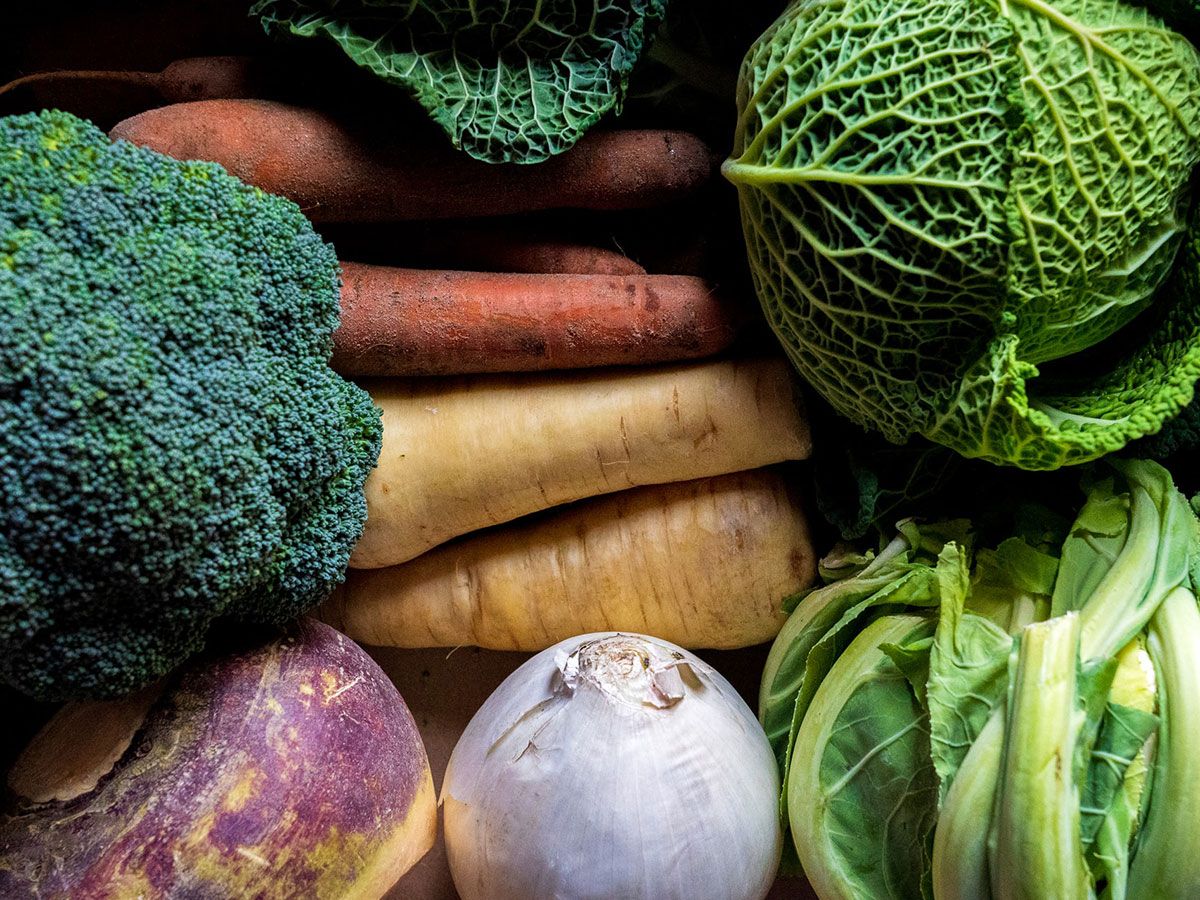

Vegetables are an indispensable part of our diet! Whether eaten as a warm dish, used in salads, blended into smoothies, or enjoyed as a snack, these powerhouse sources of vitamins and minerals are a must. Especially if you want to keep your immune system strong during the winter months and stay in shape until summer, check out the most popular winter vegetables...
Brussels Sprouts
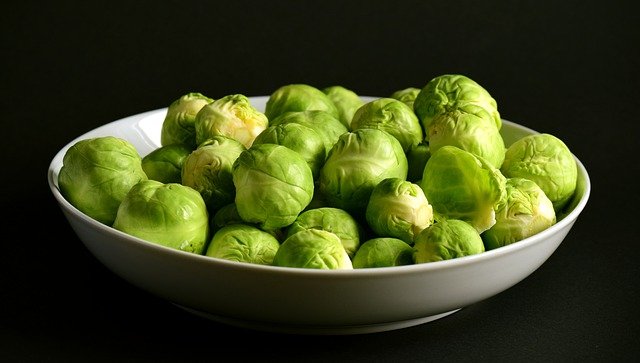
A well-known member of the cruciferous family, Brussels sprouts are one of the foods that will help strengthen your immunity in cold weather. A great source of vitamin K — essential for bone health, heart health, and proper brain function — Brussels sprouts also contain vitamins A, B complex, and C, as well as minerals such as potassium and manganese. Thanks to their high fiber and alpha-lipoic acid content, Brussels sprouts also help balance blood sugar levels, making them a must-eat for people who experience blood sugar irregularities such as hypoglycemia and diabetes. Studies also indicate that alpha-lipoic acid is quite effective at reducing painful nerve damage that affects many people with diabetes.
Kale
A prized member of the Brassica oleracea family, kale is a close relative of Brussels sprouts, cabbage, and turnips. Just 1 water glass (about 200 ml / ¾ cup + 1 tbsp) of kale (67 g) is enough to meet your average daily needs for vitamins A, C, and K. Also a great source of B complex vitamins, calcium, copper, manganese, potassium, and magnesium, kale is one of the foods that should definitely be on your table during the winter months. Studies show that kale's powerful antioxidants — quercetin and kaempferol — are also highly effective at protecting against lung and esophageal cancers.
Carrots
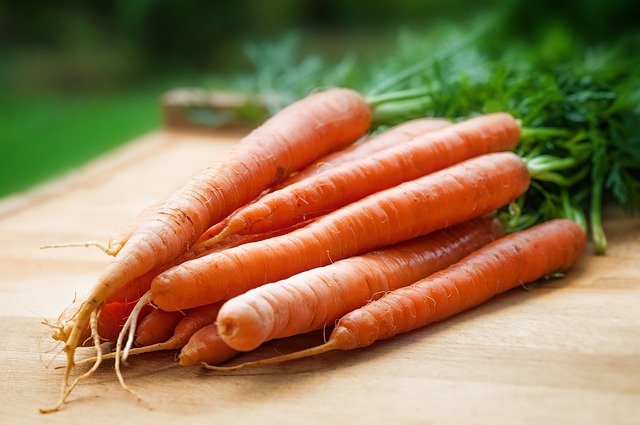
An outstanding source of beta-carotene — a powerful antioxidant — carrots will help protect your eye health and strengthen your immunity. Research shows that beta-carotene is particularly effective at reducing the risk of prostate and breast cancer. Keep in mind, however, that in winter, carrots convert their starch to sugar to prevent the water inside them from freezing, meaning they are at their sweetest. For this reason, be mindful not to overdo your portions.
Red Cabbage
The colorful member of the cruciferous family, red cabbage is a great source of B complex vitamins, manganese, and potassium. One water glass (about 200 ml / ¾ cup + 1 tbsp) of red cabbage (89 g) helps meet approximately 85% of your average daily vitamin C needs. Its vibrant red color comes from anthocyanin, a highly antioxidant-rich compound. Anthocyanin, part of the flavonoid family, plays a major role in reducing the risk of heart disease. A study conducted on 93,600 women showed that people who consumed anthocyanin-rich foods had a 32% lower risk of heart attack compared to those who did not.
Radish
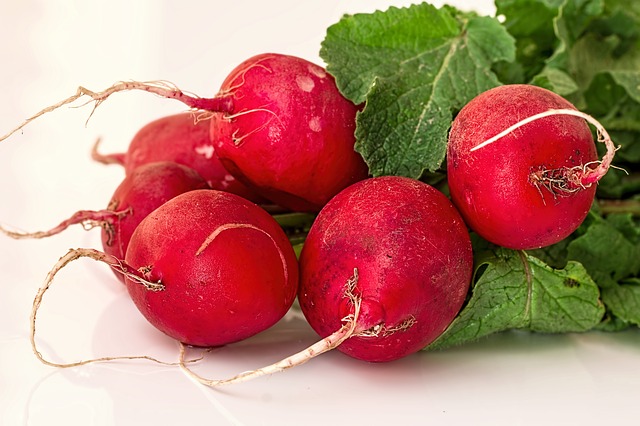
Even though it has a mildly bitter taste, don't miss out on this wonderful winter vegetable packed with vitamins C, B complex, and potassium! While it owes its bitter flavor to sulfur-containing compounds called isothiocyanates, these same compounds are packed with powerful antioxidant properties — which is all the more reason to include radishes on our tables more often. It comes as no surprise, then, that thanks to these remarkable effects, radishes show a particularly protective effect against colon and bladder cancer!
Parsley
While many plants lose their freshness in cold weather, parsley can hold its own even in harsh conditions — which is exactly why it ranks among the indispensable winter vegetables! A great source of vitamins and minerals such as vitamin A, calcium, potassium, and folate, just 28 g of parsley can provide your full average daily requirement of vitamin K and half of your vitamin C needs. Thanks to its apigenin and luteolin flavonoids, parsley also helps prevent age-related degeneration in the brain. Enjoy it freely in your salads and smoothies!