The Most Powerful Natural Antibiotics
It is long past time to say goodbye to synthetic antibiotics and embrace the miraculous natural antibiotics that nature has to offer. Everything you need to know about those natural antibiotics is right here in this article…

Antibiotics are divided into different types because they are effective against different bacteria and parasites. When you visit a hospital, your doctor first identifies the bacteria or parasite causing the infection and then prescribes the appropriate antibiotic. However, today — both around the world and in our country — many people consume antibiotics on their own without seeing a doctor, either by purchasing them from a pharmacy or by using leftover medications from a previous illness. These carelessly used antibiotics unfortunately pose a deadly threat to human health. Bitter, but true…
According to Hippocrates, regarded as the father of medicine, the first rule of medicine is the principle of "Primum non nocere" (First, do no harm!). This very principle touches on a crucial point regarding the dangers of synthetic antibiotic use. When nature offers us natural antibiotics, why should we reach for pharmaceutical drugs?
Here are the most natural, nutrient-rich antibiotics that will make your body resistant to infections…
Apple Cider Vinegar
Apple cider vinegar alkalizes the blood, allowing toxins to be expelled from the body quickly and easily. When you consume unprocessed apple cider vinegar regularly as a dressing in salads or meals, you reduce your risk of cholesterol issues and cancer. Apple cider vinegar, sometimes used for weight management, is also a great way to rid produce of pesticide residues. You can disinfect the fruits and vegetables you buy by soaking them in water mixed with apple cider vinegar.

Raw Honey
Honey is one of the oldest and most natural antibiotics, with a history stretching back to ancient times. The ancient Romans used it to treat wounds and prevent infections, while the Egyptians used it as a natural antibiotic and skin protector. Honey exhibits antimicrobial, anti-inflammatory, and antiseptic effects and has a low pH level. This causes bacteria to lose moisture and die. It is the most effective cough suppressant available. As a result, it soothes sore throats and boosts the body's ability to fight infection. The high-antioxidant compounds it contains help strengthen the immune system.

Thyme Oil
Thyme oil is considered one of the most resilient natural antibiotics thanks to the carvacrol antimicrobials it contains. It is also effective against parasites due to its antiviral and antifungal properties. A rich source of phenols and flavonoids, thyme oil is one of the most effective natural remedies used in wound healing and for respiratory and digestive ailments. Its powerful antioxidant structure strengthens the immune system.

Ginger
Fresh ginger is a natural and powerful antibiotic that should definitely be consumed, especially against food-borne pathogens such as salmonella. When consumed particularly in winter, it not only warms you from the inside, but also reduces all flu-like symptoms such as dizziness, nausea, vomiting, and cold sweats. Through healthy sweating — which is beneficial during a cold — it helps the body rapidly expel viruses and other toxins. It is also known to have an antibacterial effect on respiratory tract and gum infections.

Echinacea
Echinacea is the most natural antibiotic used in the treatment of wounds and bacterial infections. It is also indicated in the treatment of potentially fatal bacterial diseases such as diphtheria, blood poisoning, and MRSA (a severe type of infection caused by Methicillin-resistant Staphylococcus aureus bacteria). Echinacea, which is also very beneficial against skin diseases, combats conditions such as eczema and psoriasis. It acts as a powerful natural antibiotic against bacteria and fungi. Ancient civilizations also made use of the echinacea plant as a painkiller, drawing on it to combat pain from headaches, toothaches, tonsillitis, and earaches.

Red Pepper
The vitamin C found in abundance in hot red peppers strengthens the immune system, while potassium reduces the risk of heart attack. In addition to its pain-relieving and anti-inflammatory effects, it also lowers cholesterol and regulates stomach acid. During the cold winter months, its germ-killing properties make it a true source of healing. Whether fresh or dried, make sure red pepper always has a place on your table.

Radish
We've all heard the expression "as fit as a radish." Indeed, thanks to its rich vitamin C, folic acid, phosphorus, and high dietary fiber content, it is a true powerhouse of healing. Radish, which is also a very powerful antioxidant, is ideal for treating illnesses such as the common cold and flu infections. Its high fiber content also supports the digestive and excretory systems and is good for coughs.

Pomegranate
Pomegranate, which strengthens the body's defense system especially thanks to its antioxidants, also protects us from many diseases. By consuming just 1 pomegranate a day, you meet half of your daily vitamin C requirement. Thanks to the polyphenols and anthocyanins it contains, pomegranate also has properties that help clear arterial blockages and lower blood pressure, and it is known for its protective effect against cancer. During the winter months when flu infections increase, it serves as the most natural antibiotic in combating them.

Garlic
Garlic is known as the most effective, most natural, and most powerful antibiotic. Thanks to the allicin compound it contains, it exhibits antibacterial and antifungal effects. This volatile, aromatic, oil-like liquid is highly effective against viruses. Garlic contains sulfur — one of the valuable phytochemicals — and also contains vitamins B1, B2, B3, and C, which help the body detoxify, as well as important minerals such as calcium, iron, manganese, potassium, folate, zinc, phosphorus, and selenium. Research has shown that garlic, one of the most powerful antioxidants, eliminates disease-causing agents in the body and does not harm the beneficial bacteria in the digestive system.

Onion
Onion is one of the most healing plants from ancient times to the present day. It was used in folk medicine thousands of years ago, and writings listing the magnificent benefits of onion from that era have been found on papyrus and stone. The sulfoside compounds found in onions have antibiotic properties. It also has two other important healing properties that have been scientifically confirmed in clinical settings: the first is that it strengthens the heart, and the second is that it alleviates circulatory disorders.

Turmeric
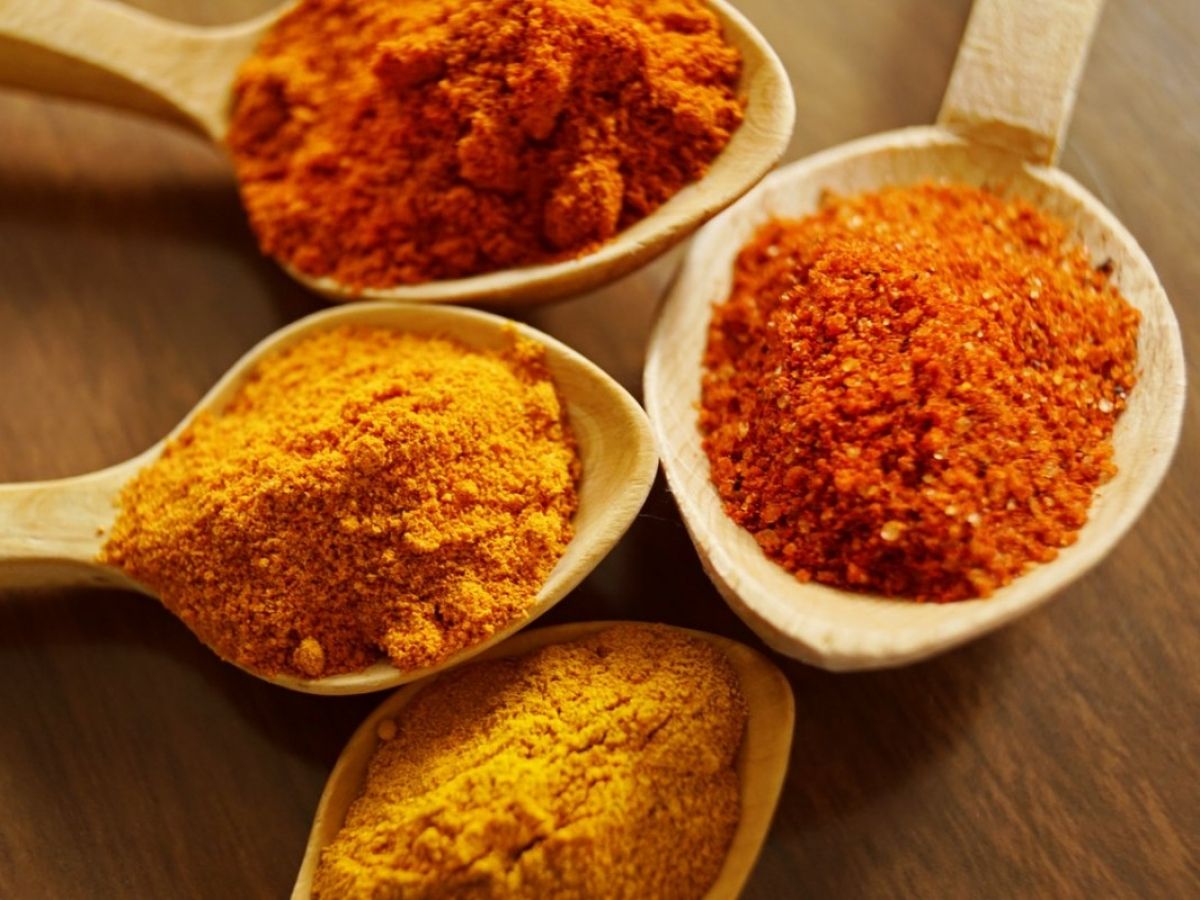
Turmeric is an indispensable spice of Indian cuisine. It is also a powerful medicine used as an antibiotic in Ayurvedic and Chinese medicine. It is considered the best natural remedy for a variety of health problems, particularly respiratory issues, liver diseases, skin problems, cuts, wounds, stomach ailments, and infectious diseases. The compound that makes turmeric such a powerful antibiotic is the curcumin it contains. Curcumin is packed with antioxidants and fights germs in the body while reducing inflammation.

We wish you healthy days…