Did You Know Which Fruits and Vegetables Are Naturally Organic?
Being organic isn't just about the label on supermarket shelves. We've put together a list of fruits and vegetables that are naturally organic. Here they are…

There are some fruits and vegetables that, during their cultivation, involve no chemical substances, synthetic fertilizers, genetically modified organisms, or ionizing radiation — or more precisely, even if such things are used, they never reach the edible parts, meaning we don't end up consuming those harmful agents. Here are those fruits and vegetables…
Pineapple
When pineapple growing season begins, pesticides are used in the early stages. By harvest time, very little residue remains on them. Since pineapples are eaten by peeling the skin, any remaining residue is removed before it ever reaches us.

Avocado
Avocado is a fruit that has become quite trendy in our country recently. Most of the pesticides used on this fruit accumulate in its skin. Since we peel the skin before eating it, we can enjoy avocado with complete peace of mind, knowing it's essentially organic.

Peas
Peas are undoubtedly one of the finest vegetables of spring. A staple of our kitchens, peas are completely protected from chemical substances thanks to their pods.

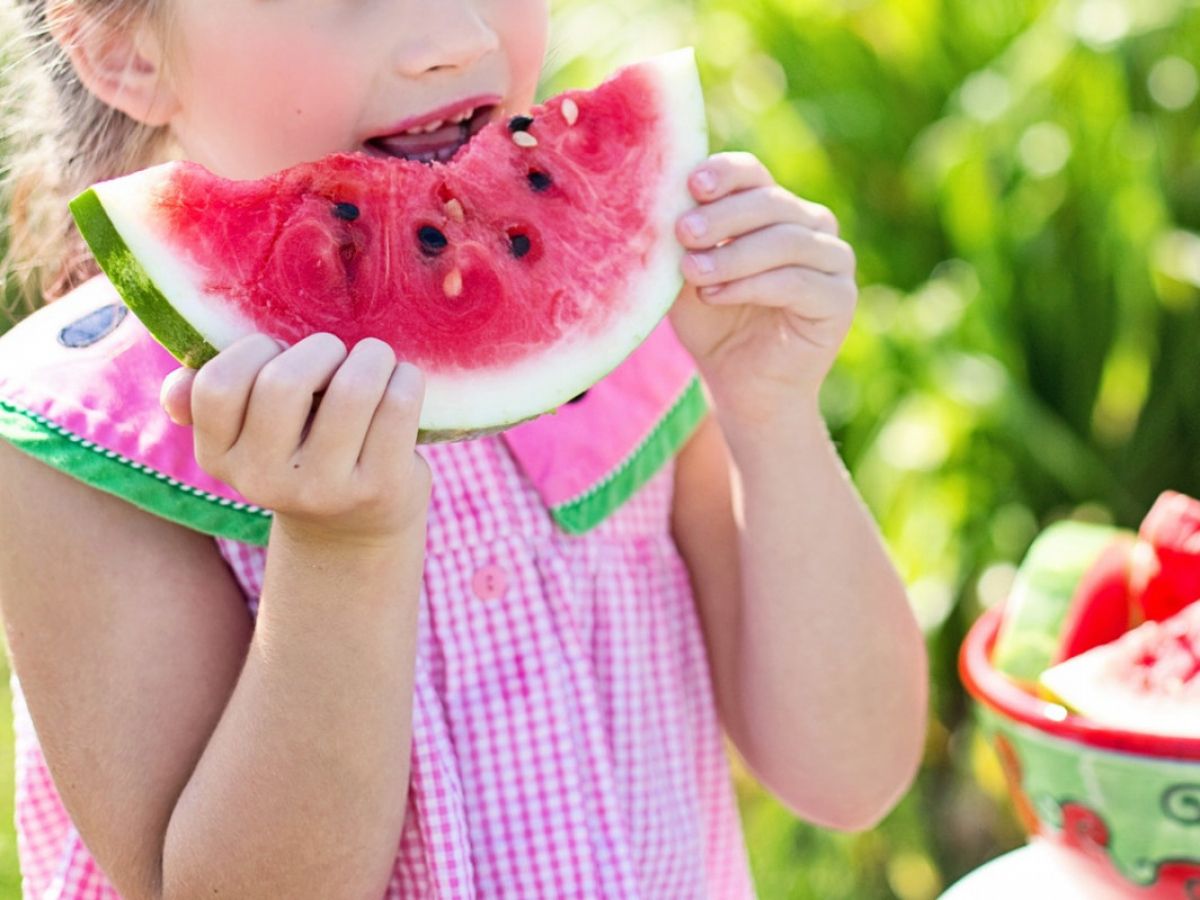
Watermelon and Cantaloupe
These fruits have a thick rind that we don't eat. Even if pesticides or other chemicals are sprayed during production or close to harvest time, we are not affected.

Kiwi
Wasps play a significant role in eliminating pests on this fruit. Harmful chemicals can't even reach us…

Cabbage
Pesticides and some chemical agents are used during cabbage production. However, the outer leaves — which absorb those harmful chemicals — are discarded long before the cabbage ever makes it to market shelves or local bazaars, let alone our homes.

Corn
Even though chemical substances or pesticides may be used during its production, since we peel the husk before eating corn, the harmful substances never reach us.

Eggplant
As is well known, eggplant has a smooth, slick skin. Thanks to this skin, no chemical pesticide can adhere to its surface. For this reason, you can consume this wonderfully organic vegetable with complete confidence.

Onion
Onion is one of the rare vegetables that produces its own protective chemicals. Even if pesticides or harmful chemicals are used during the growing season, they are carried away along with the dry outer skin that naturally sheds from the onion.

We wish you healthy days…