Golden Tips for Starting the New Year Feeling Energized
Enjoying your New Year's table without counting calories depends on what we eat. Dietitian M. Berrin Ak shares recommendations ranging from breakfast choices to anti-bloating fruits!
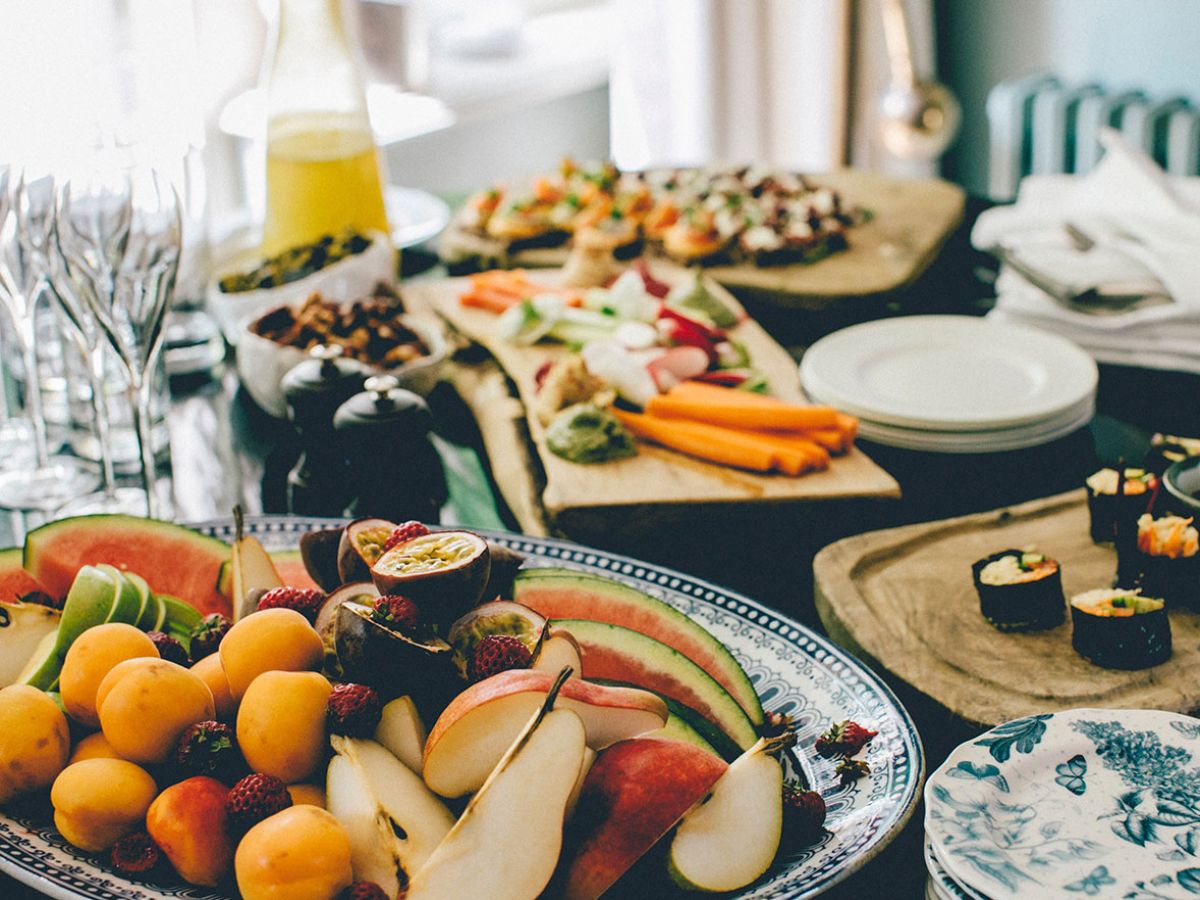
New Year's Eve preparations are underway; some of us are getting ready to welcome the new year at home, some at various venues, and some on vacation. But wherever we are, one tradition remains unchanged for many of us: the New Year's table!
What should you eat on the New Year's table and on the first day of the new year?
Dietitian M. Berrin Ak from Nişantaşı Hospital recommends enjoying special occasions like this without counting calories — as long as there is no chronic condition — but that enjoyment does not mean consuming food and drinks without limits! Here are Dietitian Ak's recommendations for spending both New Year's Eve and the first day of the new year in a healthy and energized way:
The last day of the year and New Year's dinner
Don't skip meals: Don't skip meals and leave yourself hungry all day just so you can eat more at dinner. This behavior causes imbalances in your blood sugar, making you feel lethargic and causing you to eat too quickly at the New Year's table. Don't forget to drink plenty of water throughout the day as well.

Eat protein at breakfast: Start the last day of the year on a solid note with a high-protein breakfast. Instead of foods high in simple carbohydrates like chocolate hazelnut spread or savory pastries, opt for boiled eggs, white cheese (similar to feta), olives, greens, and whole-grain bread.
Keep lunch light: If you plan to eat meat dishes at dinner, choose a light lunch such as olive oil-braised vegetables or a meal served with a generous salad.
Don't skip your afternoon snack: Make sure to have a snack in the late afternoon so you don't sit down at the New Year's table too hungry. You could go for a white cheese sandwich or toast on whole-grain bread, a handful of mixed nuts, ayran (Turkish salted yogurt drink), or a milky coffee.

Enjoy hot appetizers in tasting portions: Start your New Year's dinner with a ladle of soup. Then, turkey — which is high in protein and lower in fat compared to other meats — will be a great choice. If you're having pilaf alongside the meat, skip the bread; if you're having bread, skip the pilaf. Eat slowly, savoring your meal alongside a generous salad. Either skip the hot appetizers entirely or take only a tasting portion on your plate. Choose fruit-based or milk-based desserts over syrup-soaked ones. If possible, have your dessert after the meal rather than alongside it. Pastries high in fat, fried foods, and alcoholic beverages are high in calories even in small amounts. They can also cause sudden spikes in blood sugar and fat accumulation around the abdomen, so try to avoid them. Stop eating at least two hours before going to bed.
The first day of the new year
* Start the day after getting enough quality sleep.
* After a New Year's that was more indulgent than usual, avoid liquid diets that disrupt your body's balance — instead, give your body a chance to rest.
* For your snacks, you can have herbal or fruit teas, yogurt, or kefir.

* Avoid eating fried foods, butter, sucuk (Turkish spiced beef sausage), or jam at breakfast.
* Build your meals around vegetables and fruit. Pineapple can be a great snack option, as the bromelain enzyme it contains helps reduce bloating and water retention in the body.
* Take a 30–45 minute brisk walk outdoors to help reduce any diet-related bloating.
* Don't forget to drink plenty of water — it's the best way to flush out excess fluid retention.