Pilates and Nutrition
What should people who do Pilates eat? What should they avoid? What should you eat before and after Pilates? Find answers to all these questions in this article.
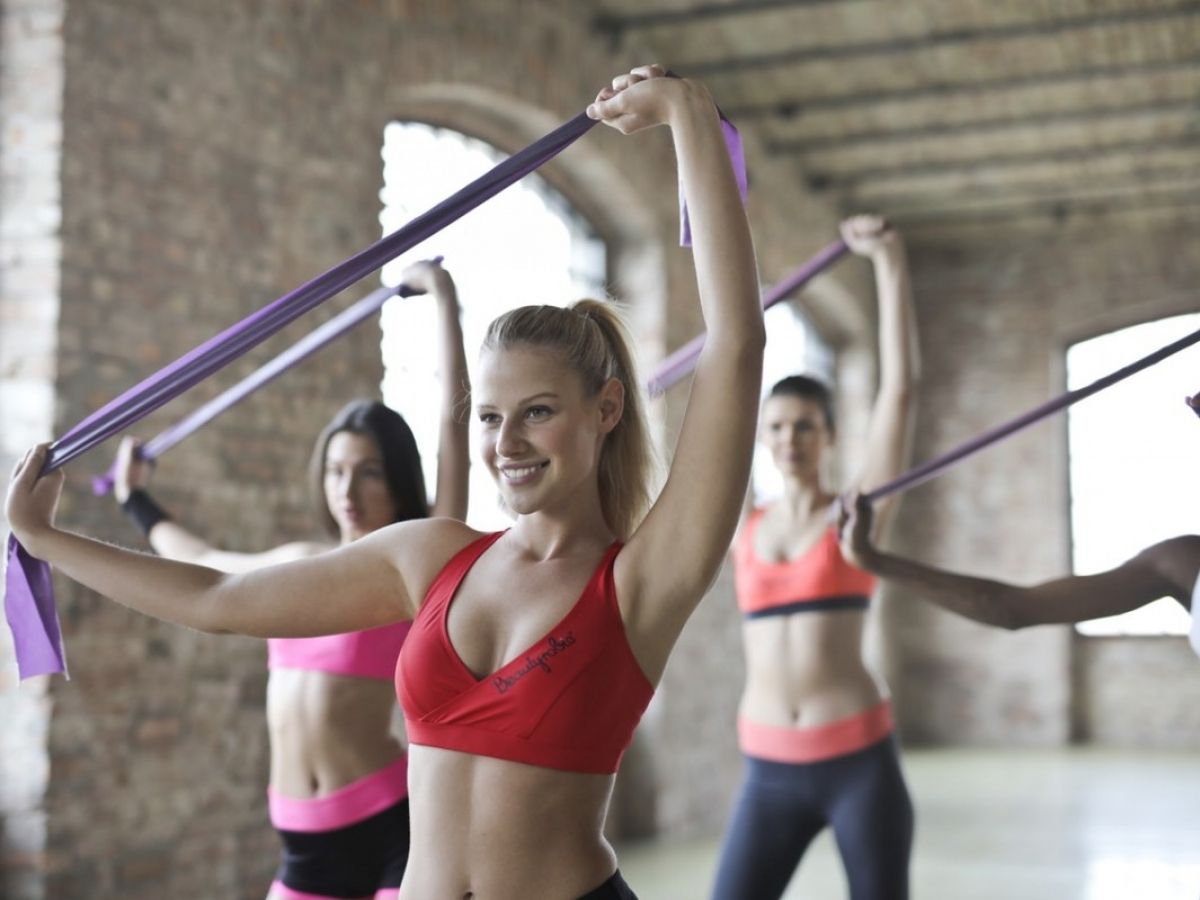

‘In 10 sessions you will feel the difference, in 20 sessions you will see the difference, in 30 sessions you will have a whole new body.’ These words belong to Joseph Hubertus Pilates, the founder of Pilates, born in 1880. Joseph Hubertus Pilates was born in Germany and suffered from rickets and asthma; doctors told his family he would not live long. In his quest to find a cure for his own ailments, Pilates read numerous books and conducted extensive research, ultimately specializing in yoga, skiing, dance, martial arts, and weight training — and created Pilates as a combination of all of these.
Pilates is a form of exercise that reduces the impact of skeletal and muscular problems, promotes a healthier spine, helps the body develop the habit of maintaining correct posture, and stretches the entire body to decompress the vertebrae.
Pilates brings the body and mind into harmony. Over time, it builds a bridge that helps you better understand your body and its needs. Its non-competitive, flexible, strong, and controlled nature also enhances the ability to cope with stress and improves concentration. The goal is not so much to expend energy, but rather to strengthen muscles, increase flexibility and endurance, and learn correct posture and breathing.
You have just started Pilates, you are happy, you have already begun to feel better within a few weeks — but there is one thing bothering you: you know that exercise needs to be supported by the right nutrition, yet you are not sure what to eat while doing Pilates. So listen up and learn how to eat to get the maximum benefit from Pilates.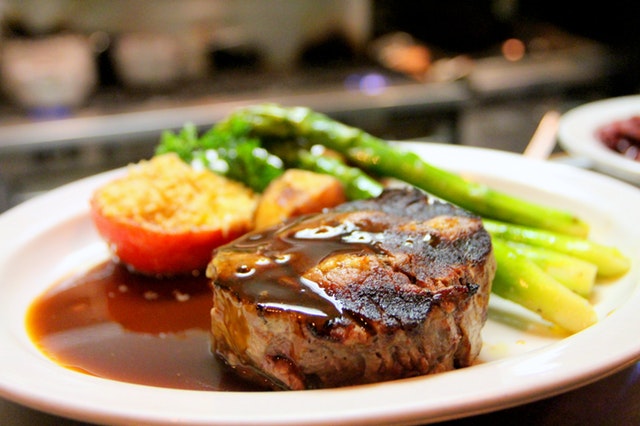
Pilates strengthens your core muscles and also increases your fat-burning capacity. A person weighing 70 kg (about 154 lbs) burns 250 kcal/hr at a beginner level, 351 kcal/hr at an intermediate level, and 432 kcal/hr at an advanced level. Compared to other calorie-burning sports this may not seem very impressive, but when supported by a proper diet and cardio exercises, the results are remarkable.
Now for the most important part: Balanced Nutrition
How should Pilates practitioners eat? What should they eat? What should they avoid?
A balanced Pilates diet should include all food groups in the right amounts. In other words, the same rule we always emphasize applies here: first and foremost, you must eat sufficiently and in a balanced way. This means that every meal on your plate should include grains, protein, fruits and vegetables, and a dairy product.
So what should your hunger-fullness level be like before exercise?
Studies show that eating too much before exercise can cause diarrhea and cramps. On the other hand, exercising on an empty stomach means your body will not be able to provide the energy needed for the workout. You can start exercising 1 to 1.5 hours after a main meal. However, if you have not eaten anything for 1 to 4 hours, having a healthy snack 15 to 20 minutes before exercise will be beneficial in terms of energy use and fat burning. You should avoid sugary and fatty foods. Research shows that these foods increase the energy load of your diet and can negate the effects of exercise. You should also stay away from alcohol and caffeinated beverages, as they cause fluid loss. A 2% loss of body water marks the beginning of a dangerous level of dehydration. The best way to replenish fluid loss is to drink water whenever you feel thirsty. For every 500 g of body weight lost, sip 2.5 water glasses (about 200 ml / ¾ cup + 1 tbsp each) of water gradually.
WHAT SHOULD YOU EAT BEFORE PILATES?
Consuming carbohydrates and protein before Pilates is important to prevent cramps and maintain blood sugar balance. For carbohydrates, you may prefer whole grains or brown rice. For protein, you can have grilled meat, chicken, fish, eggs, or cheese. As a balanced and healthy menu, you might choose grilled salmon + 1 slice of whole grain bread + green salad, or 1 egg + 1 slice of whole grain bread + tomato + cucumber + parsley. As a quick pre-Pilates option, you can blend ½ water glass (about 100 ml / ⅓ cup + 1 tbsp) of almond milk + ½ banana + 1 water glass (about 200 ml / ¾ cup + 1 tbsp) of strawberries + 2 dessert spoons (about 2 tsp each) of flaxseed into a smoothie. A cup of coffee consumed 30 minutes before Pilates can also speed up your metabolism and enhance fat burning thanks to its caffeine content.
WHAT SHOULD YOU EAT AFTER PILATES?
After Pilates, replenishing depleted glycogen stores to prevent the body from drawing energy from muscle proteins is important for muscle building. Additionally, to recover the minerals lost during Pilates, accelerate fat burning, and balance blood sugar, you can consume 1 banana + 1 water glass (about 200 ml / ¾ cup + 1 tbsp) of non-fat milk + 2 tablespoons of oatmeal, or 1 bowl of lor cheese (Turkish curd cheese, similar to ricotta) + 1 dessert spoon (about 2 tsp) of honey + 4–5 walnuts after your session.
Another important point in Pilates nutrition is regular calcium intake and regular omega-3 intake. Calcium is stored in fat cells. With regular calcium intake, the storage of fat in fat cells is reduced. For a healthy diet, it is important to consume at least 3 servings of calcium-rich milk and dairy products per day. Regular omega-3 intake increases the production of leptin, the hormone that sends fullness signals to the brain, and suppresses ghrelin, the hormone that sends hunger signals. It also speeds up fat burning by carrying the enzymes responsible for fat metabolism. For omega-3, consuming hazelnuts, peanuts, walnuts, and fish at least twice a week is important.
What you eat before exercise directly affects your performance during the workout. What you eat afterward is important for recovery, replenishing the body's needs, and adaptation. Proper nutrition and exercise nourish both your muscles and your spirit.
Registered Dietitian Merve TIĞLI ÇINAR