Pitahaya, Also Known as Dragon Fruit
Undoubtedly the most popular fruit of 2018! The benefits, how-tos, and everything you need to know about this tropical fruit on everyone's lips — and more.
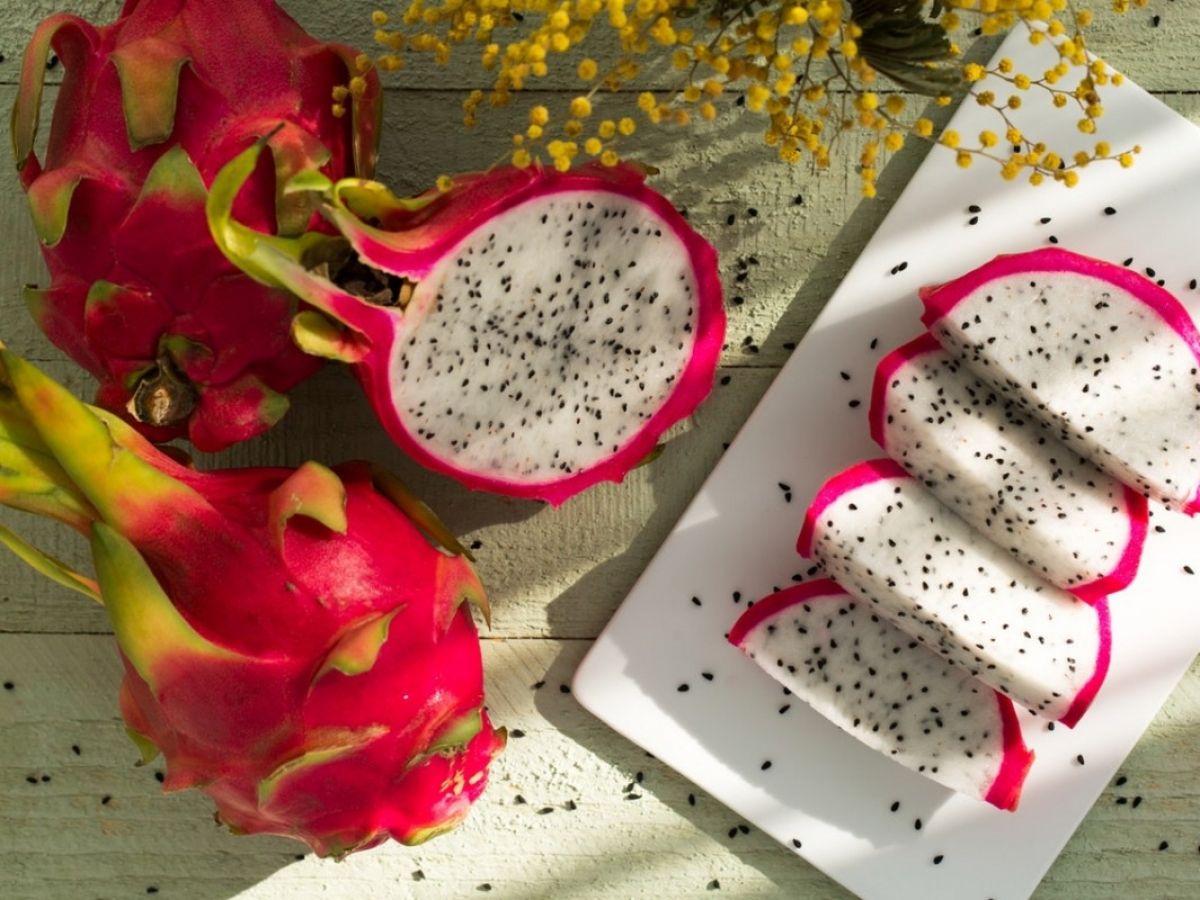

We spotted it this year on the menu of the August 30th Victory Day reception held at the Presidential Complex. We talked about this fruit — whose name most of us were hearing for the first time — for days on end. So what exactly is Dragon Fruit?
Native to Vietnam, this tropical fruit is also widely grown in Cambodia, Thailand, Colombia, Ecuador, and Israel. It weighs anywhere between 300 g (about 10 oz) and 1 kg (about 2.2 lbs). It is known as Pitahaya, Dragon Fruit, and cactus fruit. Although this prized fruit is mostly imported into our country, small-scale production has begun in the Anamur district of Mersin.
How Should You Eat It?
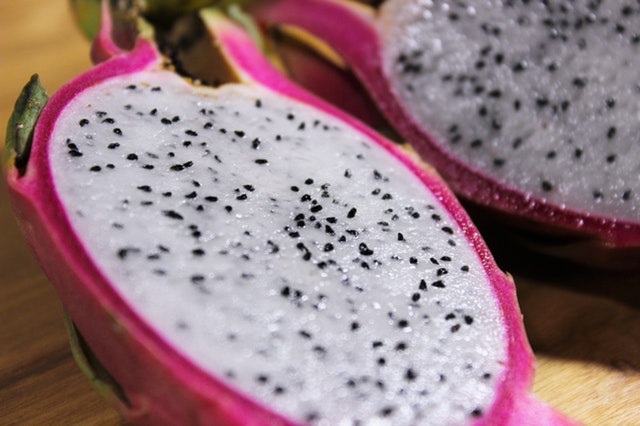
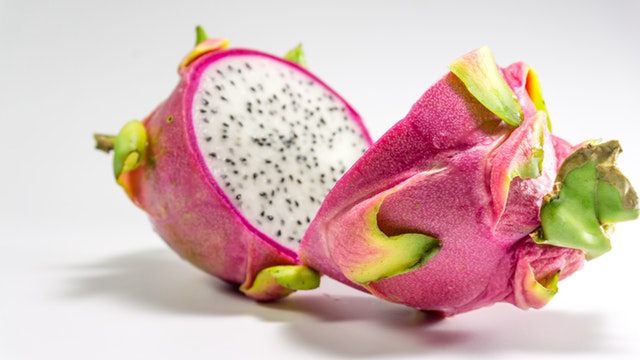
First, chill the fruit in the refrigerator. Once chilled, use a knife to cut it in half lengthwise. Then cut each half lengthwise again so you end up with four pieces. Take one piece in your hand and peel off the skin from the top — pitahaya's outer skin is similar to a banana peel. After doing the same with the remaining pieces, the soft inner flesh can be enjoyed either diced into cubes or sliced, whichever you prefer.
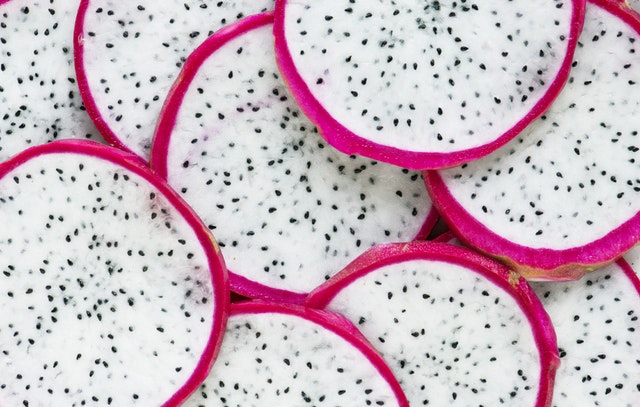
The seeds inside resemble nigella seeds. Just like with kiwi, these seeds are eaten together with the fruit. Mildly sweet and low in calories, this fruit contains potassium, calcium, iron, phosphorus, protein, magnesium, and vitamin C. It can be enjoyed fresh, and can also easily be used in desserts, salads, winemaking, or to flavor other beverages.
What Are the Benefits?
• Thanks to its high vitamin C content, it boosts the immune system.
• Its antioxidant properties help prevent free radicals from entering the body.
• Also rich in calcium, this fruit is highly effective for bone development and health.
• It lowers blood pressure, helping to prevent conditions such as hypertension — and fully supports the recovery process as well.
• Rich in lycopene, dragon fruit reduces the risk of heart and vascular disease.
• With its soluble fiber, low sugar, and potassium content, it is an important ally in managing Type 2 diabetes.
• With negligible calories and a high fiber content, it makes a wonderful fruit for weight loss.
• It helps maintain the skin's moisture balance — one of the most natural solutions especially for people with dry skin.
• It fully supports eye health too. Those suffering from dry eyes in particular benefit greatly.
• Thanks to its aphrodisiac effect, it boosts libido.
P.S.: If you are not going to consume your Pitahaya — also known as Dragon Fruit — right away, be sure to store it at 7°C (45°F).
Wishing you healthy days...